
Enhancing Autonomy for Deep Space Missions
NASA Tests AI Processor 500x Faster Than Current Tech
Next-gen radiation-hardened chips will enable autonomous deep space missions without human input.
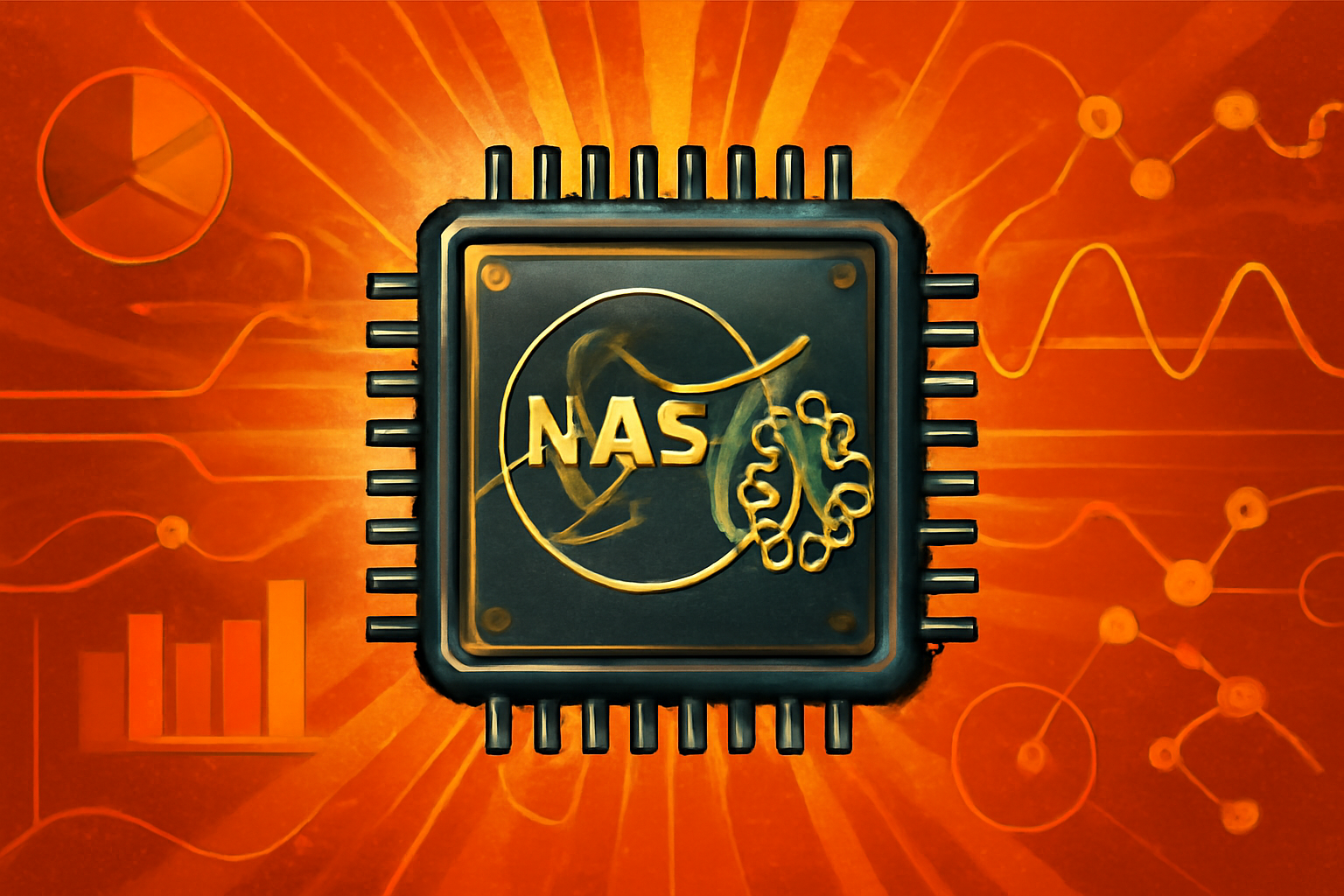
A close-up of a sophisticated computer processor chip against a dark, starry background, representing NASA's new AI space technology.
Photo: Avantgarde News
NASA has begun testing a next-generation radiation-hardened computer chip designed for deep space missions [1]. This new processor performs 500 times faster than current spaceflight computers used in existing missions [1]. It is specifically engineered to support advanced onboard artificial intelligence [2].
The hardware allows future spacecraft to make real-time decisions without waiting for instructions from Earth [1]. This autonomy is critical for exploring distant planets where communication delays are significant [1]. Researchers aim to deploy these chips to enhance mission safety and scientific discovery [2].
Editorial notes
Transparency note
AI assisted drafting. Human edited and reviewed.
- AI assisted
- Yes
- Human review
- Yes
- Last updated
Risk assessment
The source list contains only two independent domains, which is below the recommended threshold of three for high-certainty verification.
Sources
Related stories
View all

Topics
About the author
Avantgarde News Desk covers enhancing autonomy for deep space missions and editorial analysis for Avantgarde News.