
Improving Clinical Accuracy Through AI Reasoning
AI Reasoning Model Outperforms Doctors in Harvard Trial
OpenAI's o1 model achieved an 82% accuracy rate in diagnosing complex clinical cases during emergency triage tests.
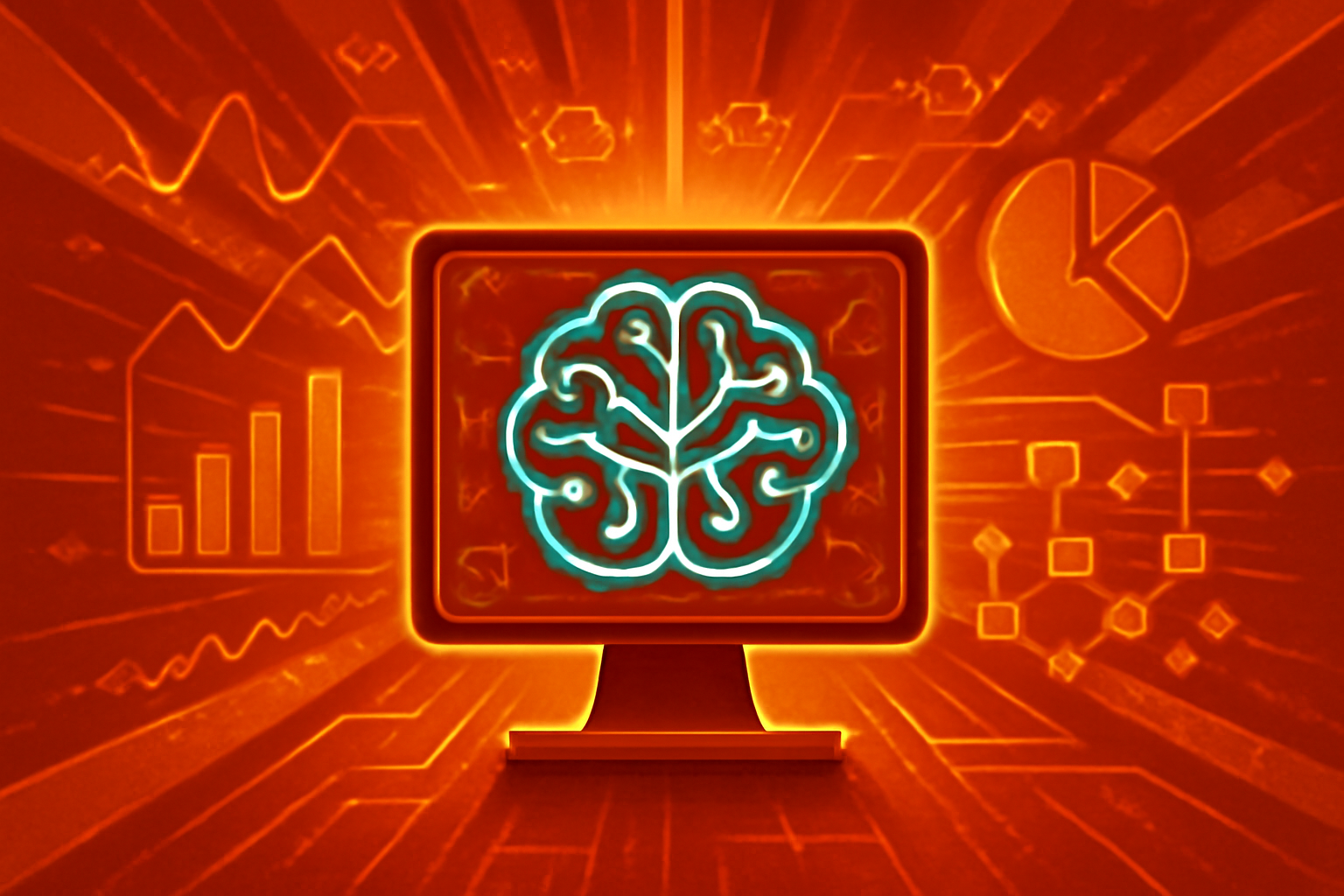
A physician in a hospital setting examines a digital screen displaying complex medical data and diagnostic charts.
Photo: Avantgarde News
OpenAI’s o1 reasoning model surpassed human physicians in a Harvard-led study published in the journal Science [1][2]. The AI model accurately diagnosed complex patient cases in emergency triage settings up to 82% of the time [1]. This performance exceeded the 70% to 79% accuracy range recorded for expert human doctors during the same trial [1][3].
Researchers tested the model on difficult clinical scenarios where rapid decision-making is essential for patient outcomes [2]. The study highlights how advanced reasoning capabilities can assist medical staff in high-pressure environments [2][3]. While the results are significant, the researchers emphasized that the AI serves as a clinical support tool rather than a replacement for human medical judgment [1][2].
Editorial notes
Transparency note
AI assisted drafting. Human edited and reviewed.
- AI assisted
- Yes
- Human review
- Yes
- Last updated
Risk assessment
This story discusses AI medical diagnosis, which carries high public interest and potential safety implications.
Sources
- 1.↗
theguardian.com
https://www.theguardian.com/technology/2026/apr/30/ai-outperforms-doctors-in-harvard-trial-of-emergency-triage-diagnoses
- 2.↗
harvardmagazine.com
https://www.harvardmagazine.com/ai/ai-outperforms-doctors-diagnosis-harvard-study
- 3.↗
ynetnews.com
https://www.ynetnews.com/health_science/article/h1b0arncbx
Related stories
View all


Topics
About the author
Avantgarde News Desk covers improving clinical accuracy through ai reasoning and editorial analysis for Avantgarde News.