
Accelerating Research in Dark Matter and Energy
SLAC Enhances DOE Genesis Mission With AI Integration
New AI tools aim to accelerate research in dark matter and fusion energy using massive observatory datasets.
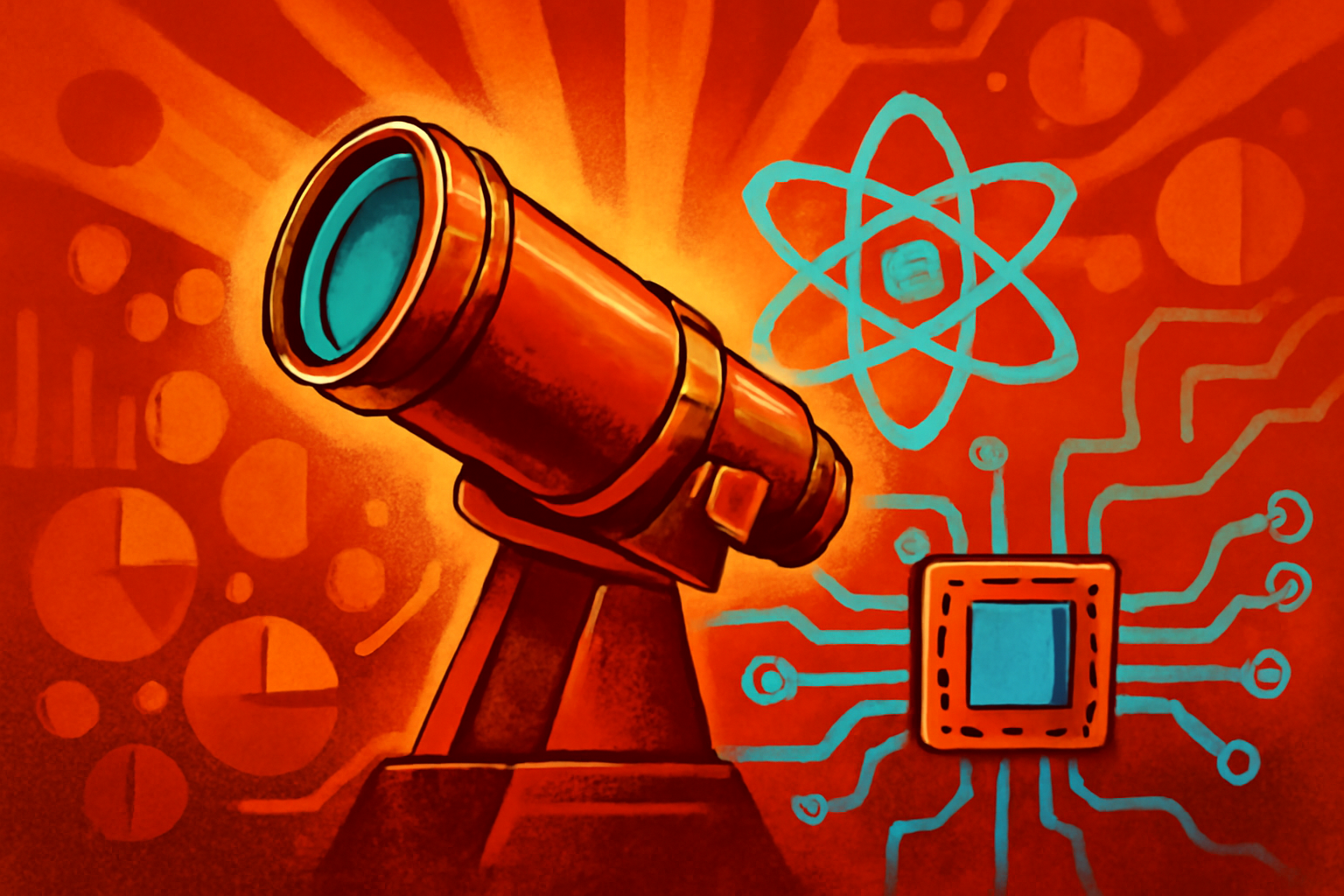
A modern scientific laboratory with digital displays showing complex neural network diagrams and cosmic data visualizations used for physics research.
Photo: Avantgarde News
SLAC National Accelerator Laboratory announced an expanded role in the U.S. Department of Energy Genesis Mission [1]. The facility plans to integrate artificial intelligence tools across its entire discovery pipeline to boost scientific productivity [1]. These initiatives leverage massive datasets from premier facilities to address complex global challenges [1][2].
Scientists will use data from the Vera C. Rubin Observatory to study dark matter and materials science [1]. The mission also focuses on advancing fusion energy through enhanced data analysis [2]. By automating research processes, SLAC aims to transform how researchers handle record-setting datasets in various scientific fields [1][2].
Editorial notes
Transparency note
AI assisted drafting. Human edited and reviewed.
- AI assisted
- Yes
- Human review
- Yes
- Last updated
Risk assessment
The risk level is elevated to high because the provided source list contains only two independent domains, which is below the required threshold of three for multi-source verification.
Sources
Related stories
View all

Topics
About the author
Avantgarde News Desk covers accelerating research in dark matter and energy and editorial analysis for Avantgarde News.