
Advancement Toward Self-Driving Laboratories
Northeastern Unveils AI Scientist for X-ray Research
AI model autonomously conducts experiments, moving science closer to self-driving laboratories.
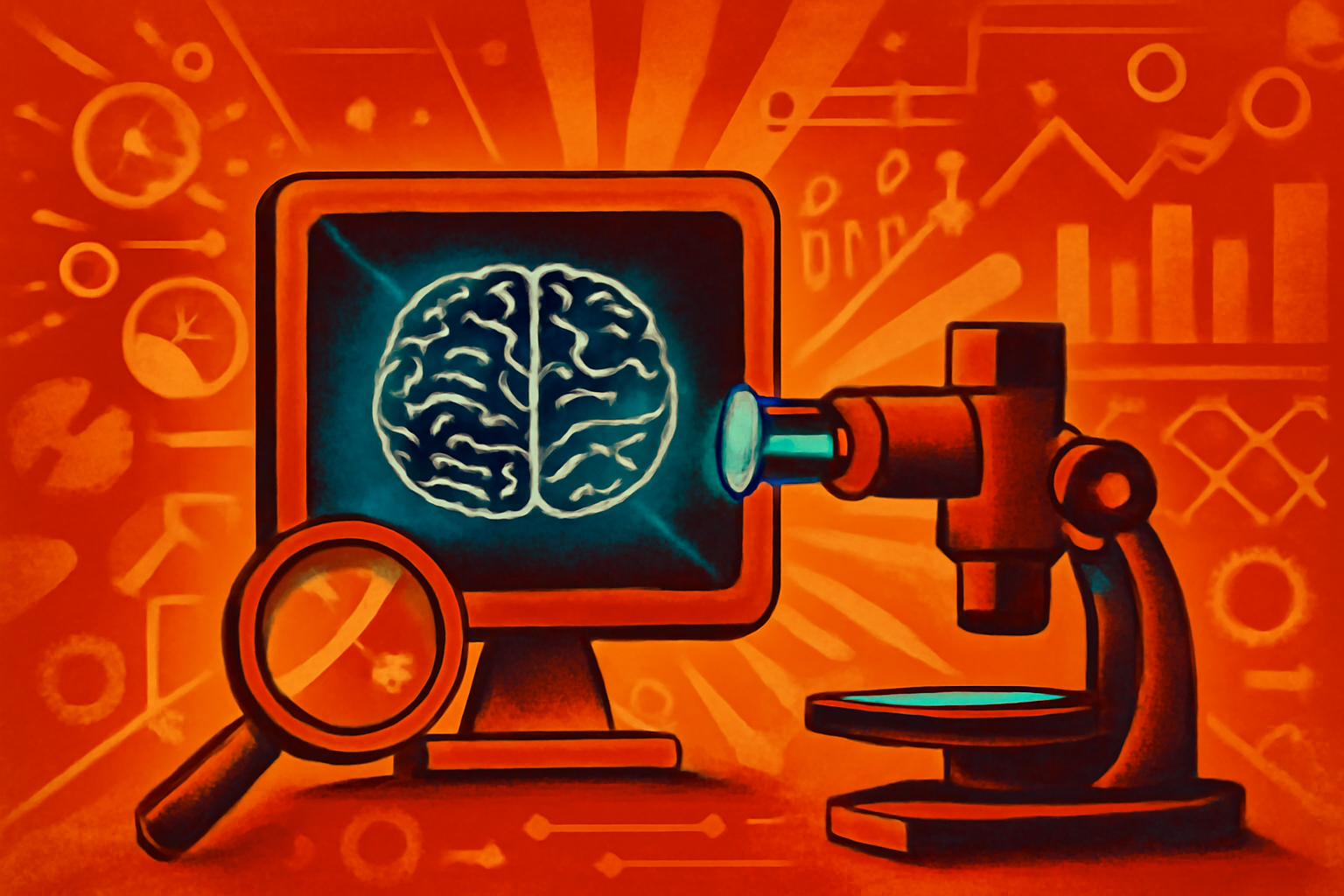
A high-tech laboratory environment showing digital data overlays interacting with specialized scientific equipment used for X-ray research.
Photo: Avantgarde News
Researchers at Northeastern University have introduced an agentic model called the "AI Scientist" designed to manage autonomous X-ray scattering experiments [1]. This system, detailed in the journal Nature Machine Intelligence, can set up and execute trials without direct human oversight [1][2]. The AI demonstrates a unique ability to adapt its experimental approach in real-time based on incoming data [1].
This innovation marks a major milestone toward the development of fully autonomous, self-driving laboratories [1]. By automating complex experimental setups, the technology aims to accelerate the pace of scientific discovery in fields like materials science [1][2]. The research team notes that these tools could significantly reduce the time required for labor-intensive data collection [1].
Editorial notes
Transparency note
AI assisted drafting. Human edited and reviewed.
- AI assisted
- Yes
- Human review
- Yes
- Last updated
Risk assessment
The risk level is set to high because the SOURCE_LIST contains only two independent domains, which is below the required threshold of three.
Sources
Related stories
View all

Topics
About the author
Avantgarde News Desk covers advancement toward self-driving laboratories and editorial analysis for Avantgarde News.