
Breakthrough in Antibiotic Resistance Treatment
Scientists Create First AI-Designed Viruses
Stanford researchers use Evo models to build bacteriophages capable of killing drug-resistant bacteria.

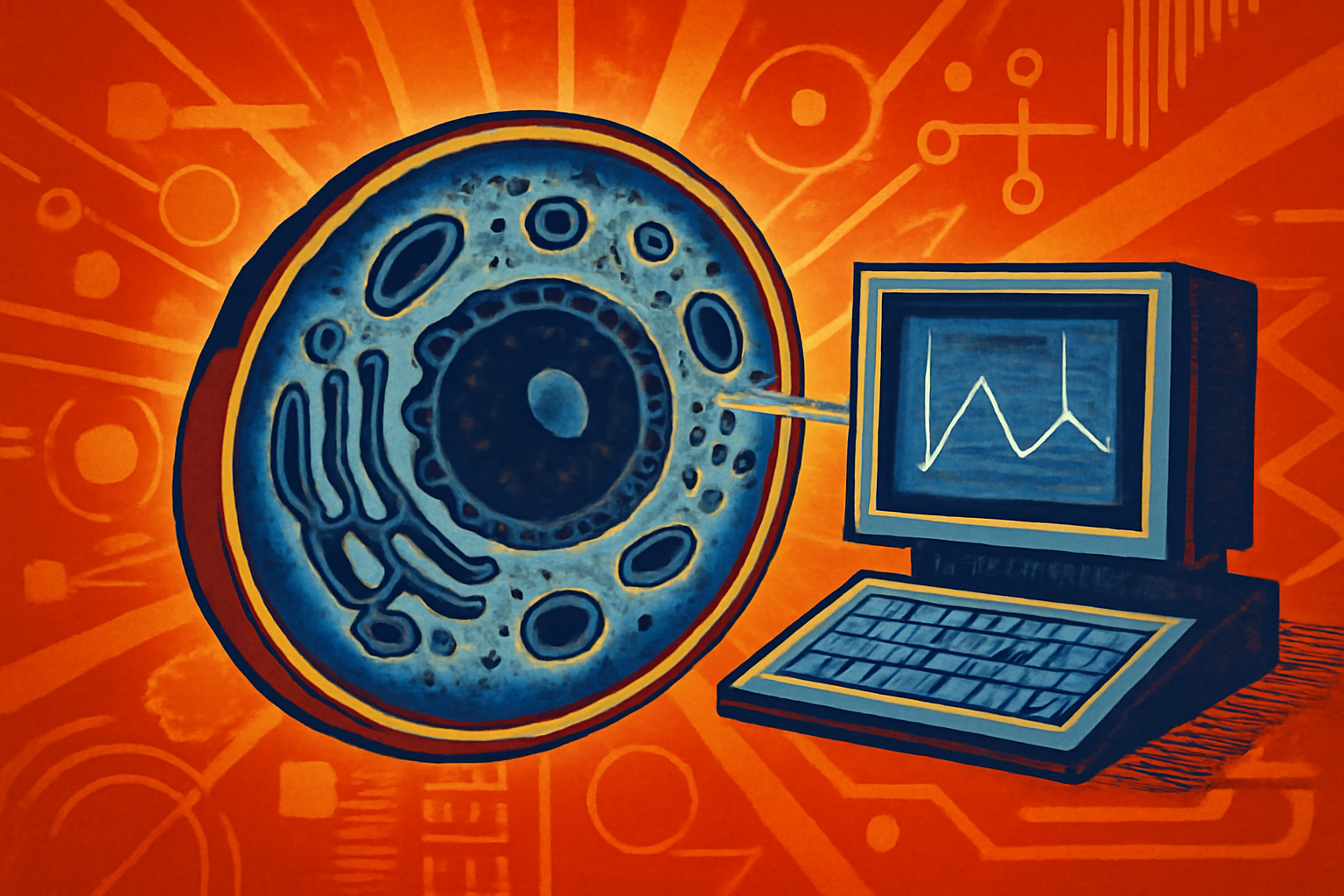
A digital representation of a DNA strand on a computer screen inside a scientific laboratory, symbolizing the intersection of artificial intelligence and genetic engineering.
Photo: Avantgarde News
Researchers at Stanford University used generative AI models Evo1 and Evo2 to design functional bacteriophages from scratch [1][3]. These synthetic viruses successfully targeted and killed antibiotic-resistant E. coli bacteria [1]. The study was published in the journal Science on August 6, 2026 [1][2].
The AI models were trained on DNA sequences to generate 16 entirely new viruses [2]. This breakthrough offers a potential solution for treating infections that resist traditional medicine [3]. However, the development raises significant biosecurity and governance concerns among the scientific community [1].
Experts worry about the risks of designing pathogens without strict oversight [1]. While these bacteriophages only target bacteria, the technology could theoretically be used for more dangerous purposes [1][2]. Current regulations may need updates to address these advanced biological design tools [1].
Editorial notes
Transparency note
AI assisted drafting. Human edited and reviewed.
- AI assisted
- Yes
- Human review
- Yes
- Last updated
Risk assessment
This topic is marked as elevated due to the sensitive nature of biosecurity and the creation of synthetic biological agents.
Sources
- 1.↗
theguardian.com
https://www.theguardian.com/science/2026/aug/06/safety-fears-as-scientists-make-first-viruses-designed-by-ai
- 2.↗
forbes.com
https://www.forbes.com/sites/maryroeloffs/2026/08/06/scientists-trained-an-ai-model-in-dna-and-it-invented-16-new-viruses/
- 3.↗
independent.co.uk
https://www.independent.co.uk/news/world/americas/ai-virus-target-bacteria-stanford-b3028974.html
Related stories
View all

Topics
About the author
Avantgarde News Desk covers breakthrough in antibiotic resistance treatment and editorial analysis for Avantgarde News.