
Improving Accuracy in Biological Research
AI 'Ramanomics' Enables Dye-Free Living Cell Imaging
University at Buffalo researchers use AI and Raman spectroscopy to identify organelles without invasive dyes.
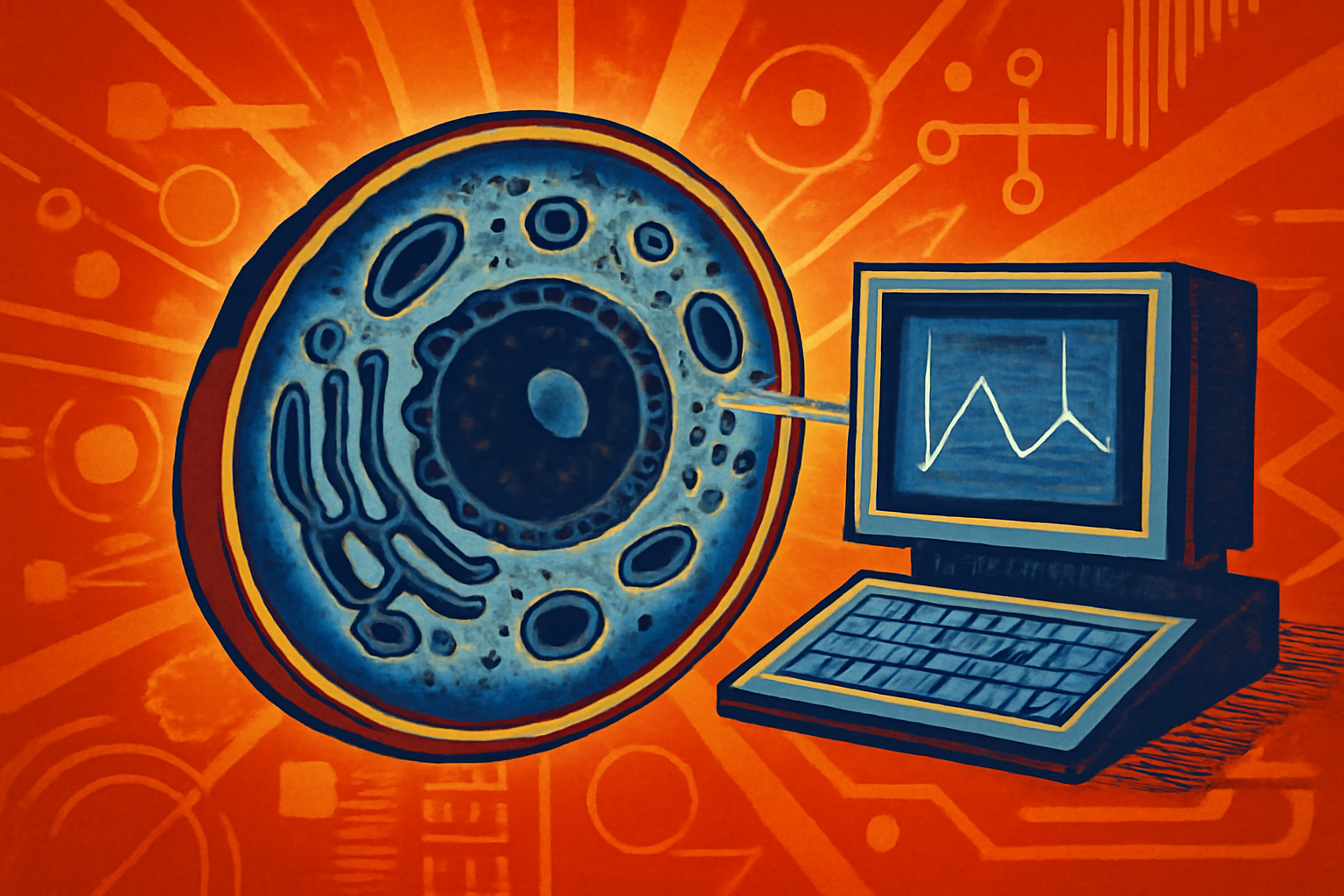
A digital rendering of a living cell with distinct organelles highlighted by light patterns, representing AI-driven Ramanomics imaging in a laboratory context.
Photo: Avantgarde News
Researchers at the University at Buffalo have developed a new method called "Ramanomics" to study living cells [1]. This breakthrough combines artificial intelligence with Raman spectroscopy to identify cellular organelles using their unique biochemical fingerprints [1]. By using light instead of chemical markers, scientists can observe cell behavior without interference [1].
Traditional methods often rely on fluorescent dyes, which can disrupt natural biological processes [1]. These dyes may also limit the accuracy of measurements in long-term research [1]. The Ramanomics approach offers a non-invasive alternative that preserves the integrity of the living specimen [1].
Editorial notes
Transparency note
AI assisted drafting. Human edited and reviewed.
- AI assisted
- Yes
- Human review
- Yes
- Last updated
Risk assessment
Risk level set to high because the story relies on a single source domain (University at Buffalo).
Sources
Related stories
View all


Topics
About the author
Avantgarde News Desk covers improving accuracy in biological research and editorial analysis for Avantgarde News.