
The Future of All-Optical AI Hardware
Penn Researchers Boost AI Efficiency with Hybrid Particles
New exciton-polariton method could reduce AI hardware energy use by orders of magnitude.
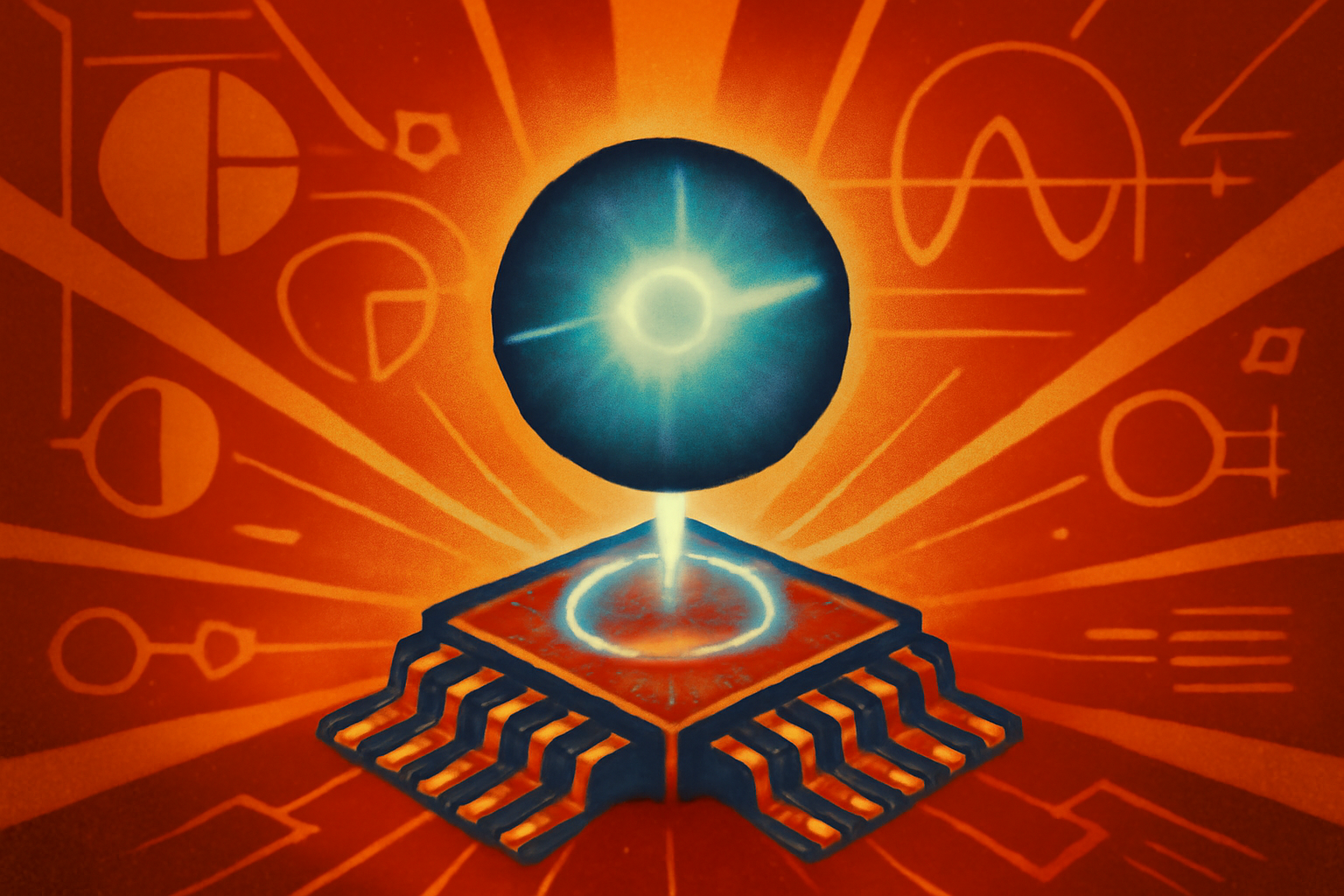
A 3D conceptual rendering of glowing hybrid particles within a futuristic processor chip, symbolizing light-matter interaction in AI computing.
Photo: Avantgarde News
Physicists at the University of Pennsylvania have created a method using exciton-polaritons to perform all-optical switching for AI hardware [1][2]. These hybrid particles combine light and matter to process data more efficiently [2]. This breakthrough could reduce energy consumption by orders of magnitude compared to current electronic systems [1][3].
The research focuses on replacing traditional electrical signals with optical ones to minimize heat and maximize speed [1]. By utilizing these unique particles, the team aims to overcome the physical limits of existing silicon chips [2]. Penn researchers emphasize that this development fosters a new era of learning through accelerated AI discovery [3].
Editorial notes
Transparency note
AI assisted drafting. Human edited and reviewed.
- AI assisted
- Yes
- Human review
- Yes
- Last updated
Risk assessment
Reviewed for sourcing quality and editorial consistency.
Sources
Related stories
View all


Topics
About the author
Avantgarde News Desk covers the future of all-optical ai hardware and editorial analysis for Avantgarde News.