
Restoring the Brain's Waste-Clearing System
Nanotech Drugs Reverse Alzheimer’s Symptoms in Mice
Supramolecular nanoparticles reduce toxic brain proteins by up to 60 percent, restoring cognitive function in study.
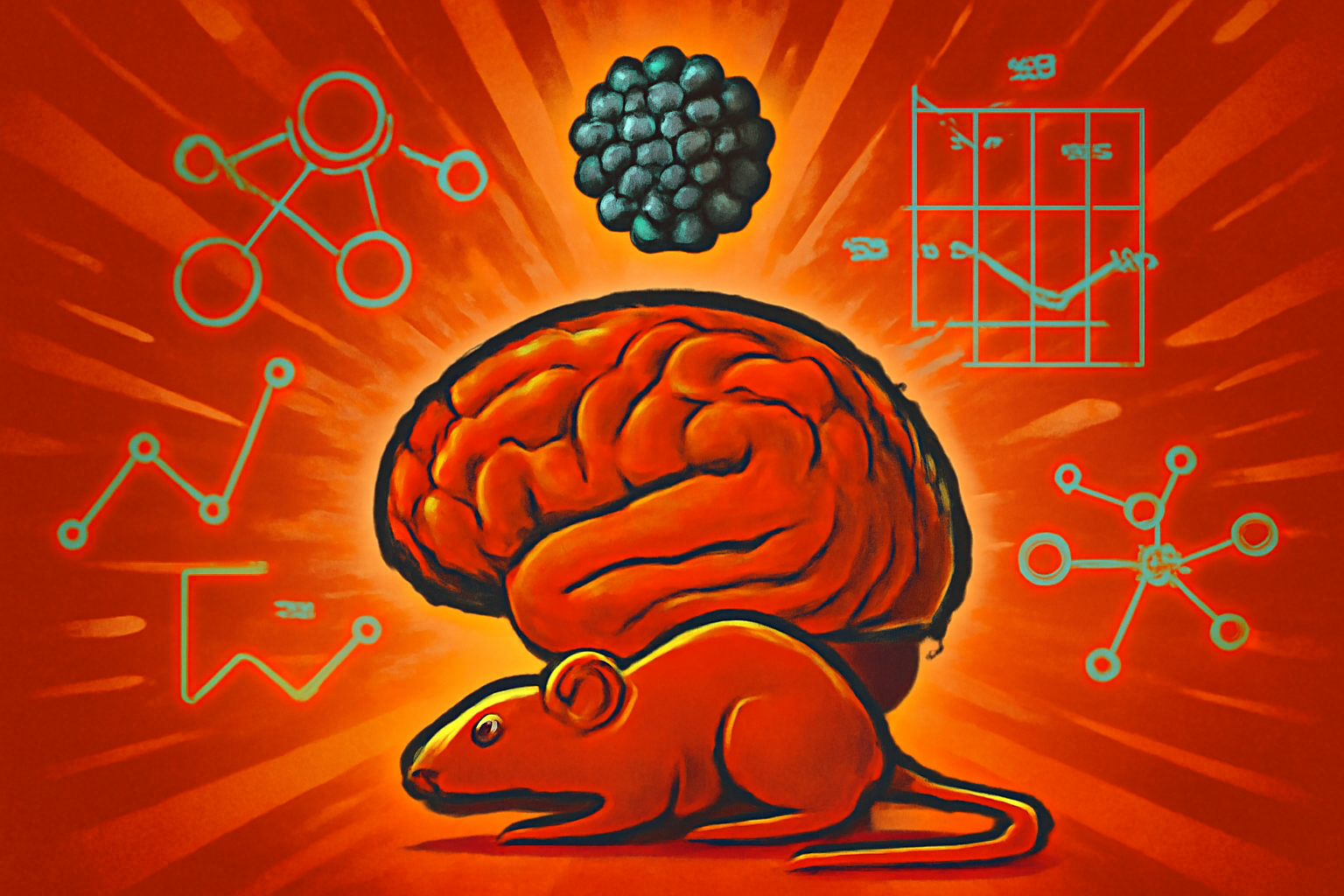
3D medical illustration of glowing microscopic nanoparticles traveling through a network of blue neurons in a digital brain environment.
Photo: Avantgarde News
An international research team has developed bioactive "supramolecular drugs" to combat Alzheimer's disease [1]. These nanoparticles successfully restored the blood-brain barrier in mice models [2]. This biological process also rebooted the brain's natural waste-clearing system [1].
The study observed a 50 to 60 percent reduction in toxic amyloid proteins in the subjects [1]. This significant protein decrease led to the reversal of cognitive symptoms [2]. Researchers from the Institute for Bioengineering of Catalonia (IBEC) spearheaded the development [2]. While these results are promising, researchers note that further testing is required before human application [1][2].
Editorial notes
Transparency note
AI assisted drafting. Human edited and reviewed.
- AI assisted
- Yes
- Human review
- Yes
- Last updated
Risk assessment
The risk level is set to high due to a checklist failure regarding source diversity; only two independent domains were provided instead of the recommended three.
Sources
Related stories
View all


Topics
About the author
Avantgarde News Desk covers restoring the brain's waste-clearing system and editorial analysis for Avantgarde News.