
Advancing Therapeutic Discovery Through Gene Sets
Mount Sinai AI Maps Gene Interactions for Drug Discovery
New Gene Set Foundation Model (GSFM) analyzes how gene groups work together to identify therapeutic targets.

A digital 3D visualization of a complex network of interconnected nodes and lines representing gene sets and cellular interactions in a dark, high-tech environment.
Photo: Avantgarde News
Researchers at Mount Sinai developed an artificial intelligence tool called the Gene Set Foundation Model [1]. This system, known as GSFM, learns how genes function together across different biological contexts [1]. Unlike previous models that use gene expression data, GSFM focuses on thousands of independent gene sets [1].
This new approach helps scientists predict complex cellular interactions and discover potential therapeutic targets [1]. The researchers trained the model to identify patterns in how genes cooperate within a cell [1]. By understanding these relationships, medical professionals can better understand the root causes of various diseases [1].
The GSFM model represents a significant shift in how researchers approach genomic data analysis [1]. It provides a versatile framework for studying biological systems without traditional limitations [1]. Future applications may include faster drug development and more precise medical treatments [1].
Editorial notes
Transparency note
AI assisted drafting. Human edited and reviewed.
- AI assisted
- Yes
- Human review
- Yes
- Last updated
Risk assessment
The checklist failed because the SOURCE_LIST contains only one independent domain.
Sources
Related stories
View all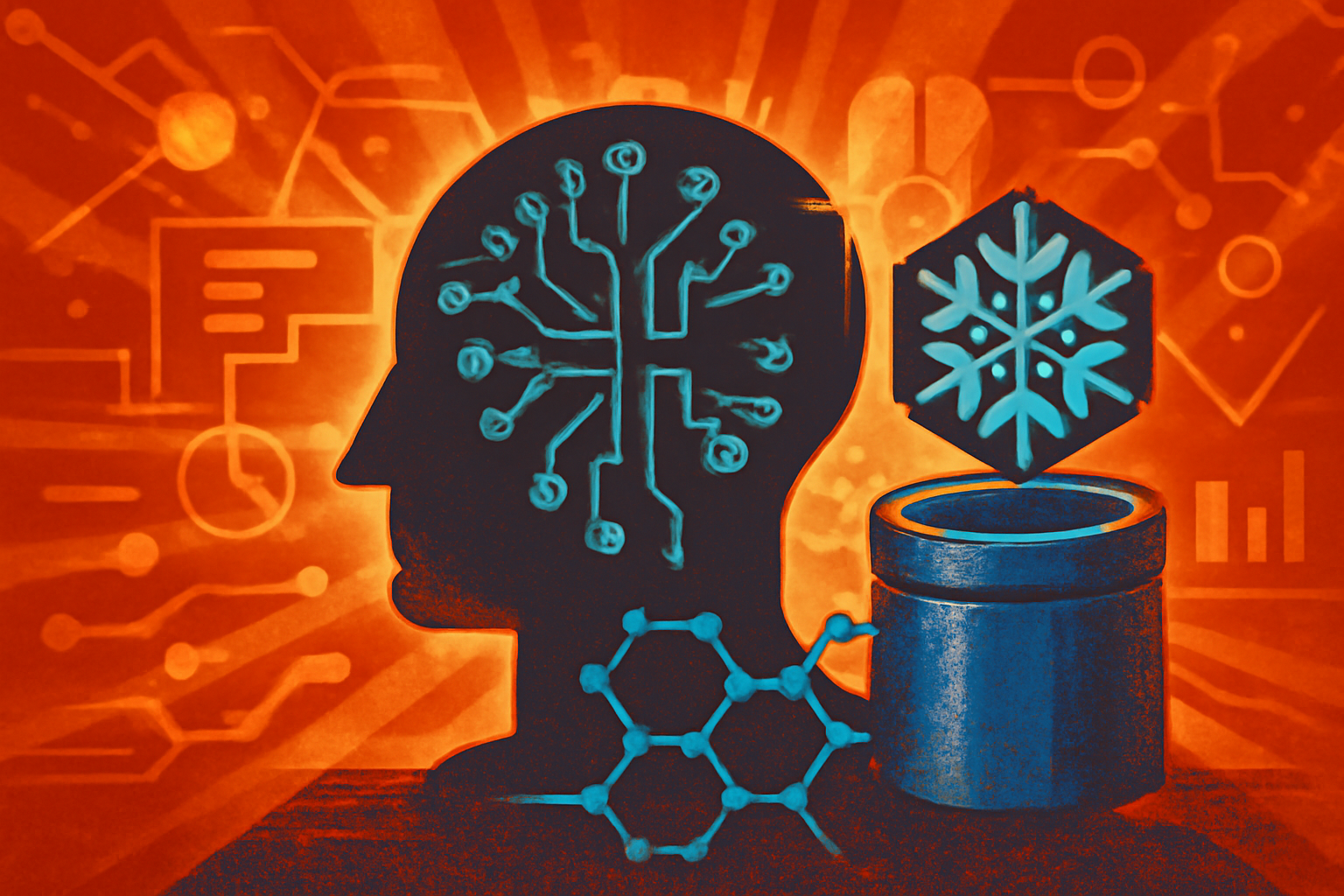

Topics
About the author
Avantgarde News Desk covers advancing therapeutic discovery through gene sets and editorial analysis for Avantgarde News.