
Accelerating Drug Discovery with Next-Gen AI
BMS and NVIDIA Partner for Life Sciences AI Factory
New supercomputer uses Vera Rubin architecture to speed up drug discovery in oncology and neuroscience.
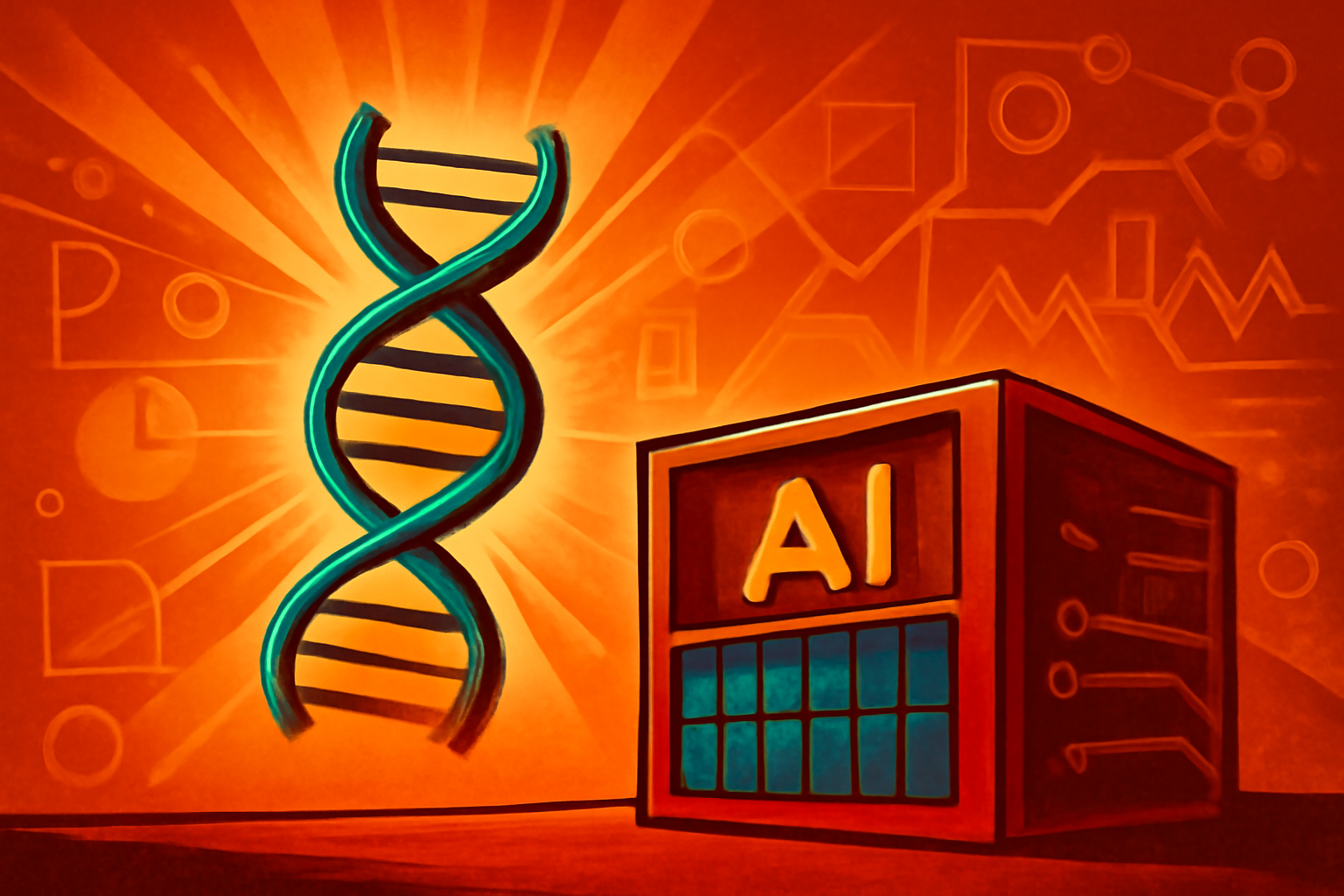
A high-tech pharmaceutical lab featuring advanced server racks and digital interfaces, symbolizing the BMS and NVIDIA AI factory collaboration.
Photo: Avantgarde News
Bristol Myers Squibb (BMS) announced an expanded partnership with NVIDIA to build a powerful "AI factory" for life sciences [1]. The project will deploy a DGX SuperPOD system based on NVIDIA's Vera Rubin architecture [1][3]. This setup aims to scale proprietary AI models and speed up drug discovery across oncology, immunology, and neuroscience [1][2].
The new system provides 10 times more performance per megawatt compared to previous models [1]. This efficiency allows BMS to process massive datasets more effectively [3]. By integrating these high-performance tools, the company expects to reduce the time needed to bring new treatments to patients [2][3].
Editorial notes
Transparency note
AI assisted drafting. Human edited and reviewed.
- AI assisted
- Yes
- Human review
- Yes
- Last updated
Risk assessment
Reviewed for sourcing quality and editorial consistency.
Sources
- 1.↗
businesswire.com
https://www.businesswire.com/news/home/20260720065516/en/Bristol-Myers-Squibb-to-Build-the-Most-Powerful-AI-Factory-in-Life-Sciences-with-NVIDIA
- 2.↗
bnnbloomberg.ca
https://www.bnnbloomberg.ca/business/2026/07/20/bristol-myers-buys-nvidias-latest-ai-computing-system-for-drug-research/
- 3.↗
fiercebiotech.com
https://www.fiercebiotech.com/biotech/bms-expands-ai-footprint-nvidia-create-largest-drug-rd-supercomputer
Related stories
View all

Topics
About the author
Avantgarde News Desk covers accelerating drug discovery with next-gen ai and editorial analysis for Avantgarde News.