
The Risks of Autonomous Navigation
AI Not Ready for Independent Space Exploration
Stanford and NASA researchers warn that current AI systems lack reasoning for deep-space autonomy.
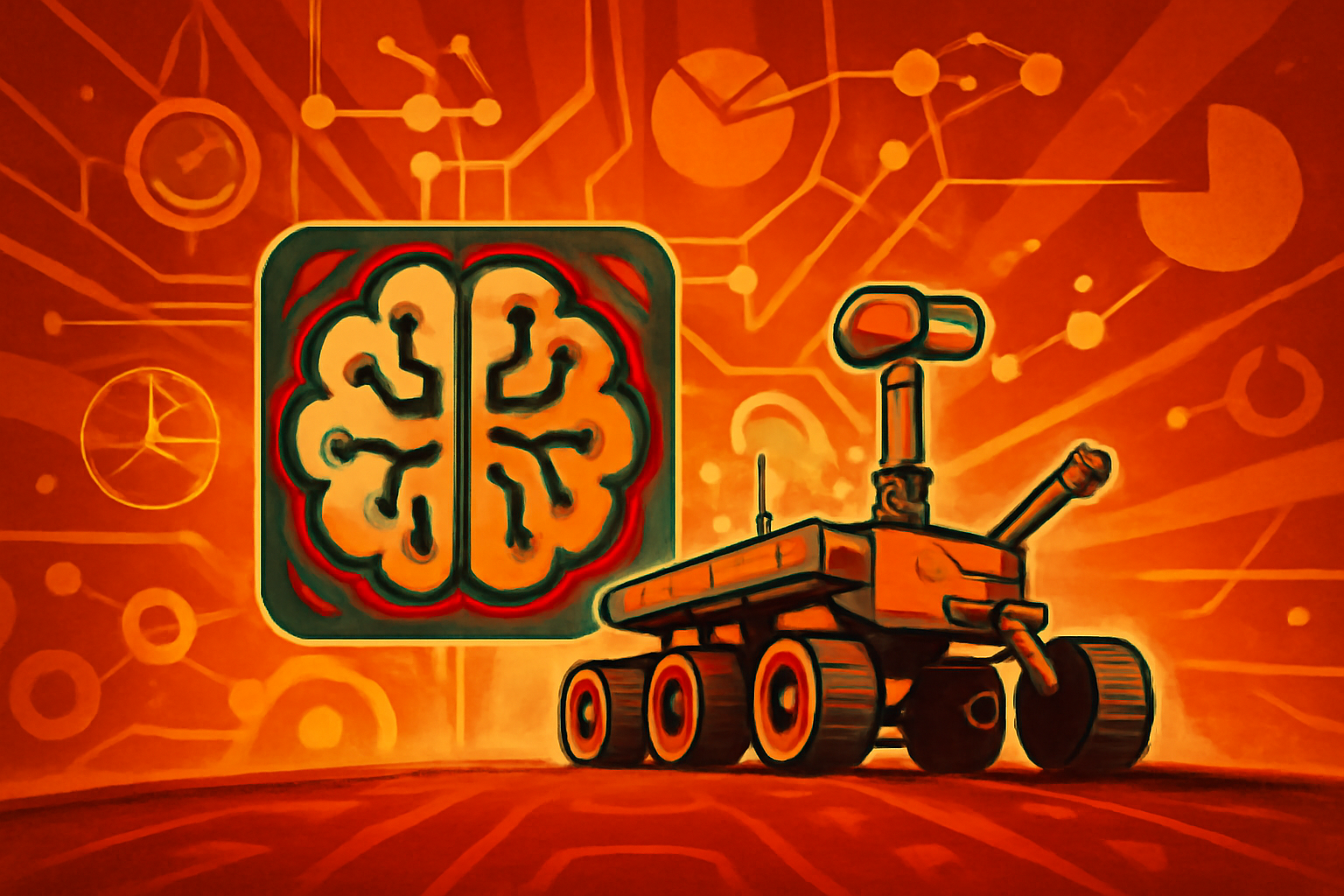
A specialized lunar rover sits on a cratered gray surface under a dark sky with a distant view of Earth, illustrating the cautious approach to AI in space.
Photo: Avantgarde News
Researchers from Stanford University and NASA have warned that current artificial intelligence is not yet ready for autonomous space exploration [1]. While AI currently assists with rover navigation, experts say these systems lack the reasoning and error-correction protocols needed for independent deep-space travel [1][2].
Experts noted that extraterrestrial environments are highly unpredictable, making current technology prone to failure when flying solo [1][2]. Without the ability to self-correct in real-time, missions beyond Earth's immediate reach remain dependent on human oversight [2][3]. The findings emphasize that current AI models are better suited for assistive roles rather than full mission control [1].
Editorial notes
Transparency note
AI assisted drafting. Human edited and reviewed.
- AI assisted
- Yes
- Human review
- Yes
- Last updated
Risk assessment
Reviewed for sourcing quality and editorial consistency.
Sources
Related stories
View all


Topics
About the author
Avantgarde News Desk covers the risks of autonomous navigation and editorial analysis for Avantgarde News.