The Risk of Familiar Patterns in Machine Learning
AI Speeds Physics Research but Risks Overlooking Discovery
Transfer learning accelerates cosmic searches while potentially blinding models to truly novel scientific phenomena.

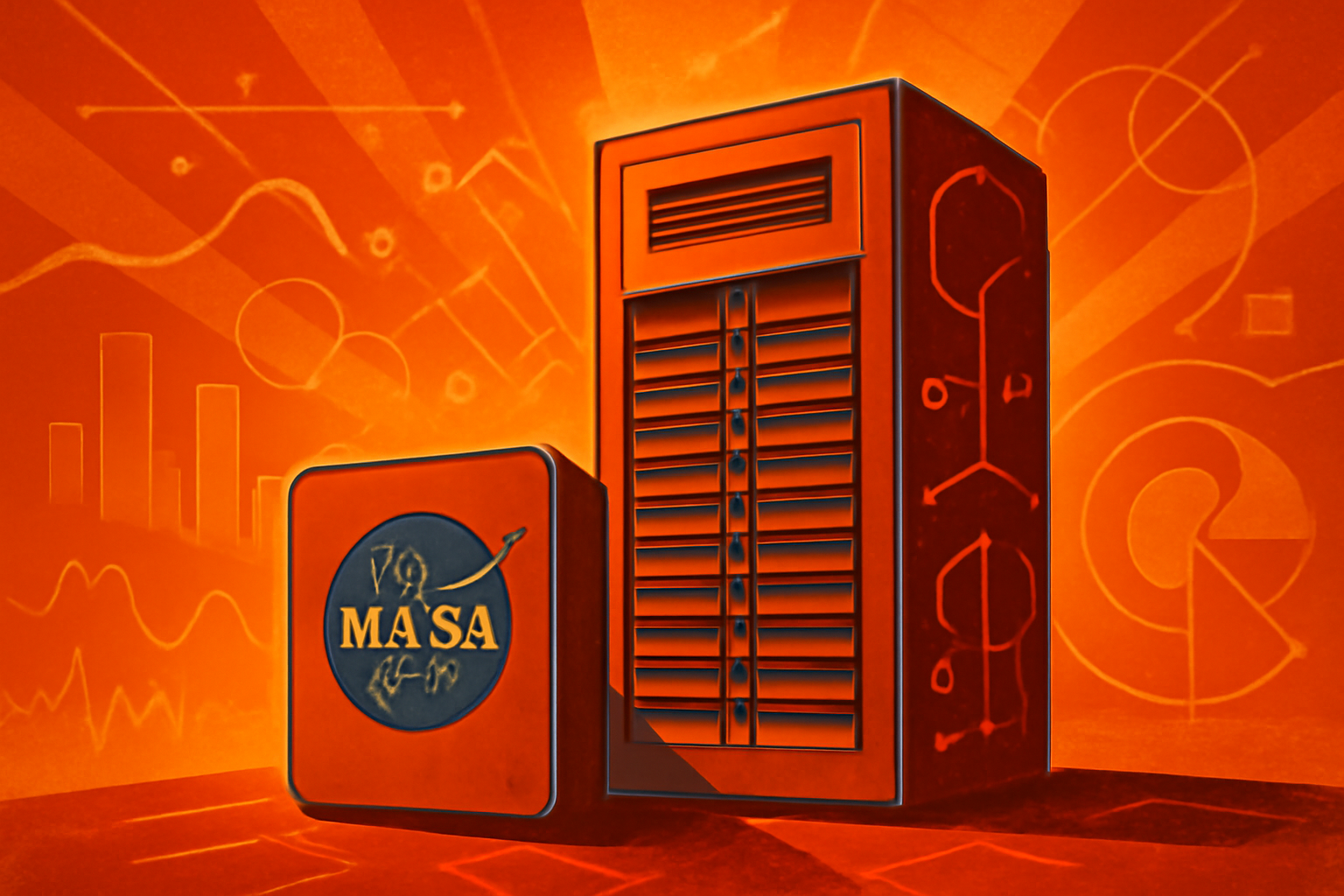
A digital illustration of an artificial intelligence interface analyzing astronomical data and physics equations.
Photo: Avantgarde News
Researchers have found that transfer learning can significantly accelerate the search for new physics by reducing the need for expensive simulations [1]. This technique allows AI models to leverage existing knowledge to process complex data more efficiently [1].
However, a new study warns of a significant catch in this technological leap [1]. AI models may become too dependent on familiar patterns, which could blind them to truly novel scientific discoveries [1]. This bias suggests that while AI speeds up the process, it might inadvertently ignore data that does not fit known scientific frameworks [1].
Editorial notes
Transparency note
AI assisted drafting. Human edited and reviewed.
- AI assisted
- Yes
- Human review
- Yes
- Last updated
Risk assessment
The risk level is set to high because the story relies on a single source domain, which does not meet the recommended threshold of three independent sources.
Sources
Related stories
View all
Topics
About the author
Avantgarde News Desk covers the risk of familiar patterns in machine learning and editorial analysis for Avantgarde News.