
How AI Distorts the Human Internal Clock
AI Speed Linked to Increased Consumer Impatience
Research reveals that AI agents distort time perception, leading to impulsive financial decisions.
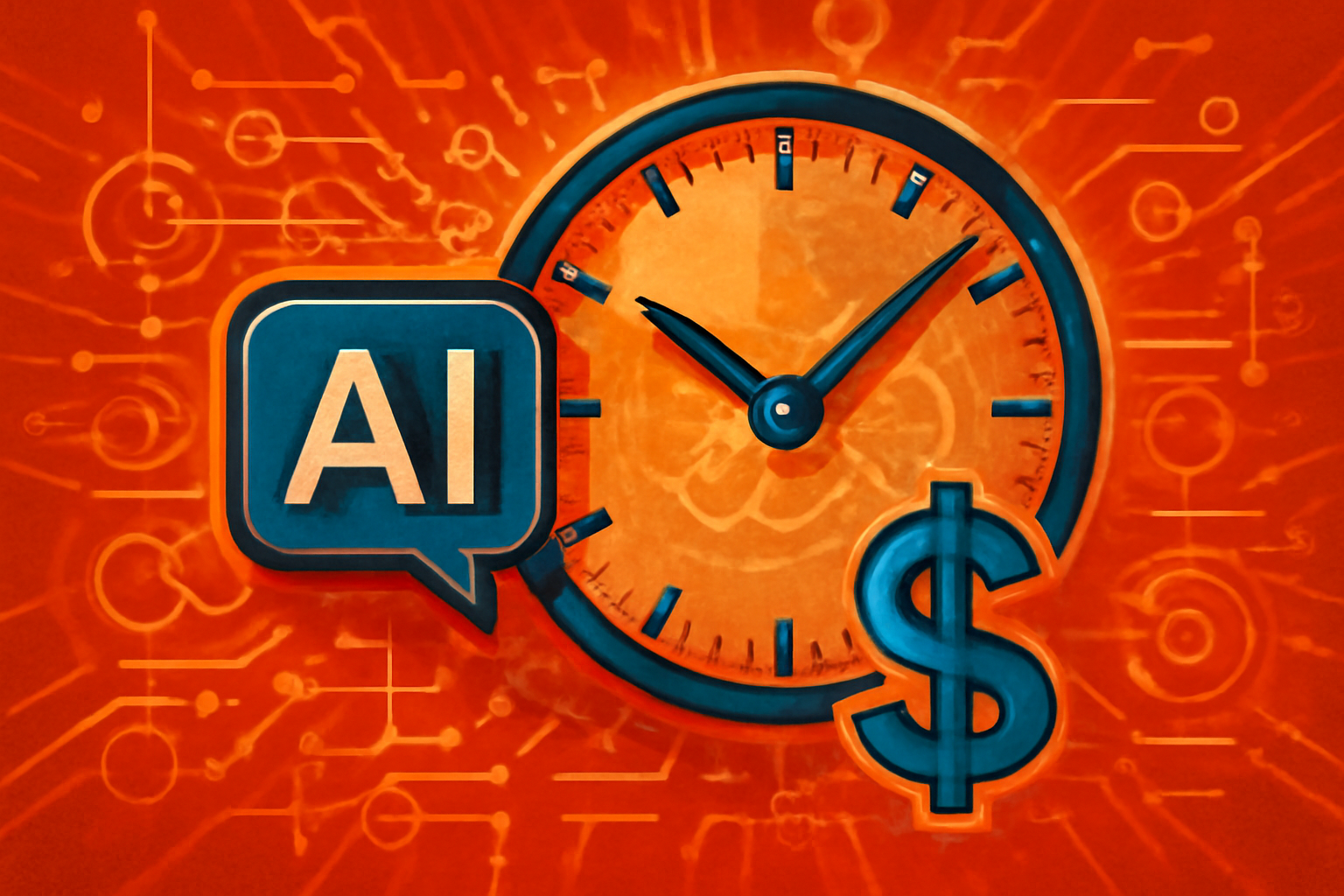
A conceptual visualization of a person using a smartphone where digital clock elements appear warped and accelerated by an AI interface.
Photo: Avantgarde News
Researchers at the Southern University of Science and Technology discovered that interacting with AI agents alters human time perception [1]. The study indicates that the high speed of AI responses accelerates a user's internal clock [1]. This acceleration makes future delays seem significantly longer than they actually are [1]. Because of this shift, individuals are more likely to make impulsive and impatient financial choices [1]. The findings suggest that rapid AI interactions may inadvertently change how consumers value long-term rewards [1]. These insights emphasize the psychological impact of digital tools on everyday decision-making [1].
Editorial notes
Transparency note
Drafted with LLM; human-edited
- AI assisted
- Yes
- Human review
- Yes
- Last updated
Risk assessment
Risk level elevated to high because the story relies on a single source domain.
Sources
Related stories
View all
Topics
About the author
Avantgarde News Desk covers how ai distorts the human internal clock and editorial analysis for Avantgarde News.