
AI Enhances Global Early Warning Systems
WMO Unveils AI Breakthroughs for Dust Storm Alerts
New bulletin highlights how machine learning and satellites are transforming forecasting after record 2025 storms.
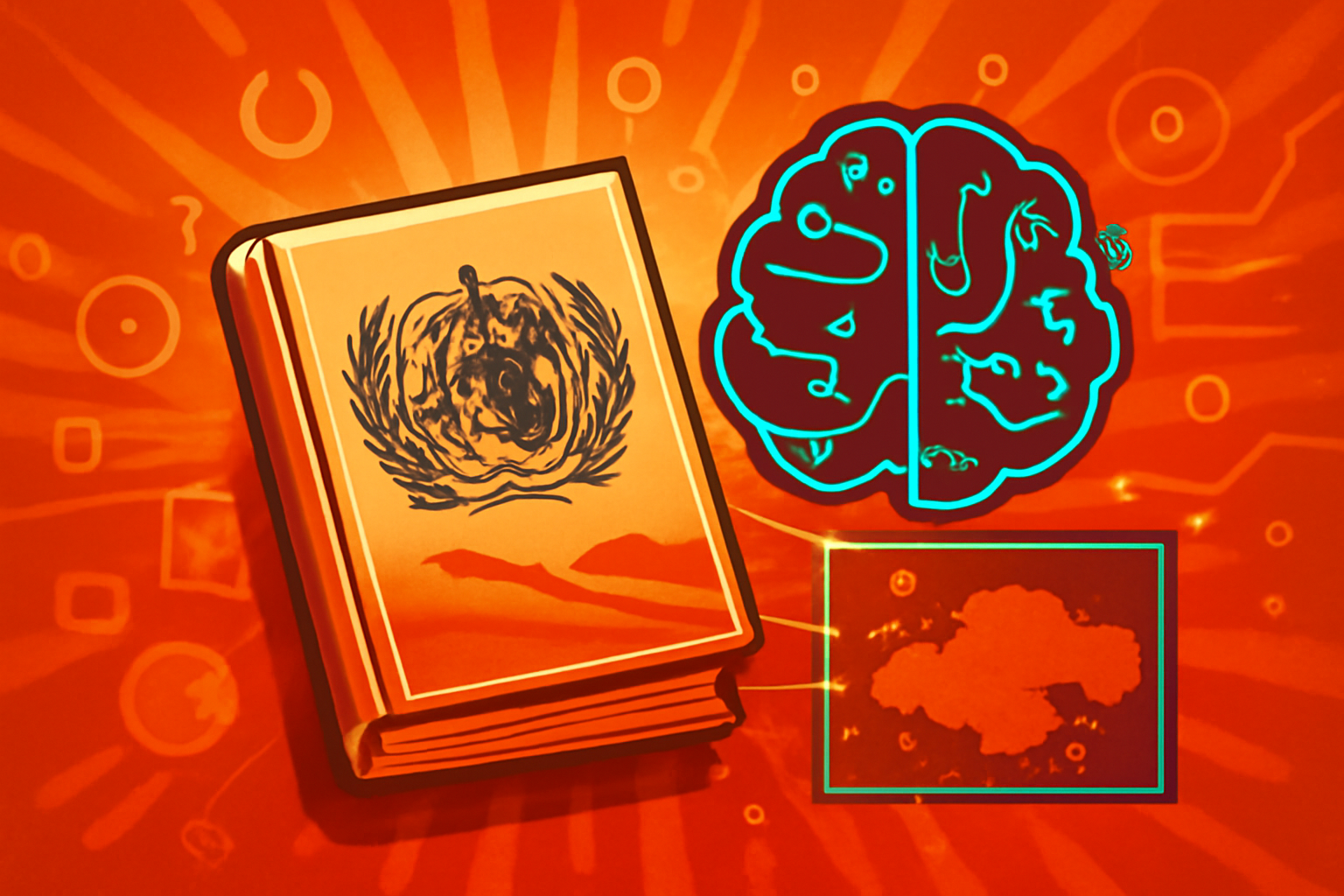
A digital visualization of a global map showing sand and dust storm patterns with AI-inspired neural network overlays and satellite data points.
Photo: Avantgarde News
The World Meteorological Organization released its 10th Airborne Dust Bulletin on July 10, 2026 [1]. The report shows how AI and satellite tech are revolutionizing sand and dust storm monitoring globally [1][2]. These tools help experts track environmental hazards more effectively than traditional methods [1].
Advancements in machine learning are currently improving global dust source mapping and early warning alerts [1]. This technological shift follows record-breaking storm activity observed throughout 2025 [1][2]. Improved data allows for better preparation in vulnerable regions [2].
Integration of these AI systems provides meteorologists with more precise predictive capabilities [1]. Officials noted that better monitoring is essential for public health and transportation safety [2]. Details regarding specific regional deployments were not confirmed in the available sources.
Editorial notes
Transparency note
AI assisted drafting. Human edited and reviewed.
- AI assisted
- Yes
- Human review
- Yes
- Last updated
Risk assessment
The risk level is set to high because the provided source list contains only two independent domains, which is below the recommended threshold of three.
Sources
Related stories
View all


Topics
About the author
Avantgarde News Desk covers ai enhances global early warning systems and editorial analysis for Avantgarde News.