
Rethinking the Turing Test Legacy
Experts Call for AI Consciousness Framework
Philosophers and scientists urge new ethical standards as traditional Turing Test benchmarks face growing criticism.
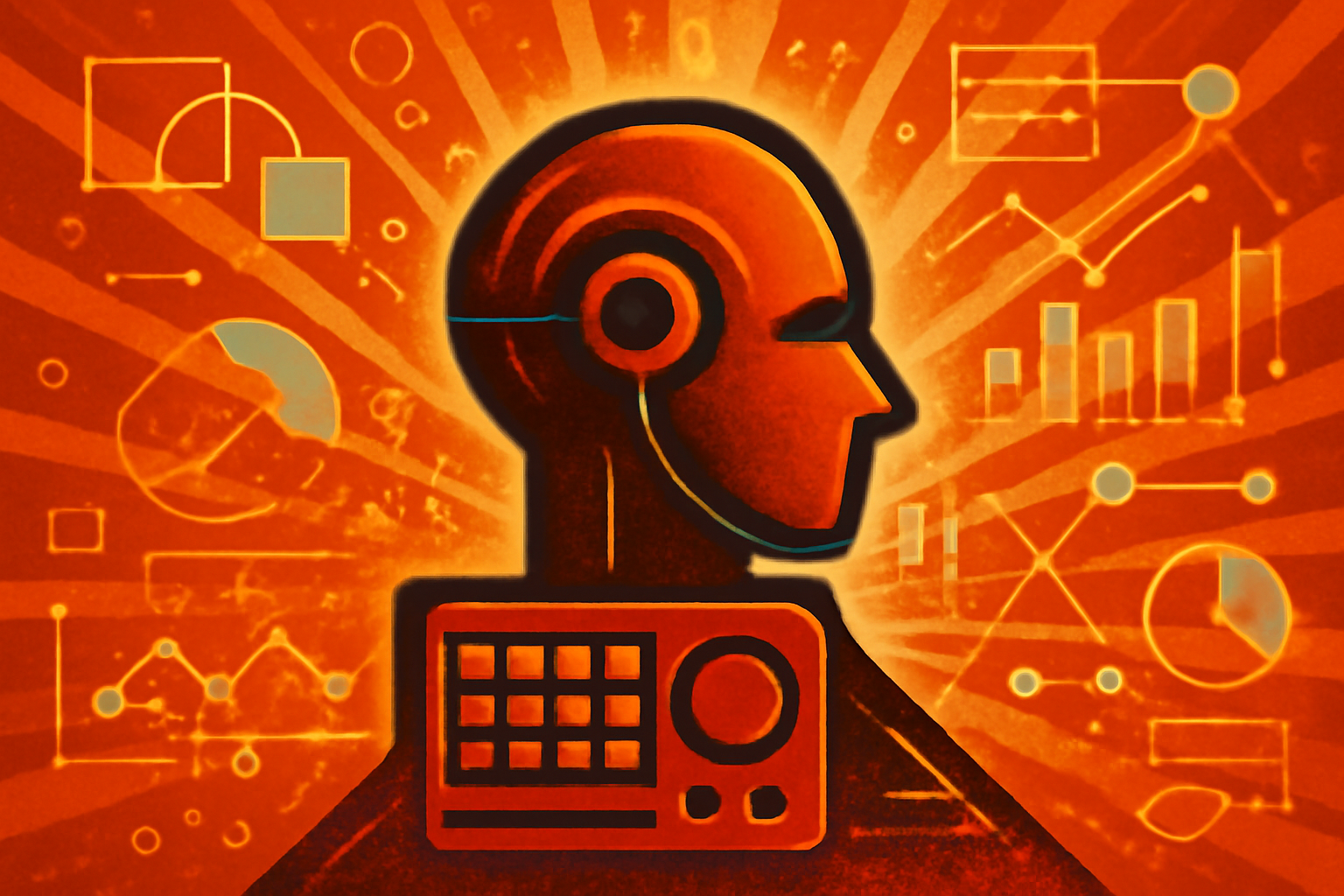
A digital representation of a glowing human brain silhouette superimposed over a wall of modern computer servers in a dimly lit data center.
Photo: Avantgarde News
Leading experts are calling for urgent scientific and ethical frameworks to manage the potential for consciousness in artificial intelligence [1]. Philosophers such as William MacAskill and Lucius Caviola argue that society must prepare for the moral status of advanced AI systems [1]. This push comes as researchers re-evaluate traditional benchmarks like the Turing Test [2].
Current critiques suggest that AI development may have been pursuing the wrong goals since the era of Alan Turing [2]. Scientists warn that without a clear plan, the development of synthetic minds could lead to significant ethical dilemmas [1]. These experts emphasize the need for a global consensus on how to identify and respect potential AI sentience [1][2].
Editorial notes
Transparency note
AI assisted drafting. Human edited and reviewed.
- AI assisted
- Yes
- Human review
- Yes
- Last updated
Risk assessment
Risk level set to high because the source list contains fewer than three independent domains, which limits cross-verification.
Sources
Related stories
View all


Topics
About the author
Avantgarde News Desk covers rethinking the turing test legacy and editorial analysis for Avantgarde News.