
Overcoming the Environmental Data Bottleneck
AI Models Set to Transform Aquatic Risk Assessment
Large language models can integrate scattered data to identify pollutants and protect rivers and oceans.
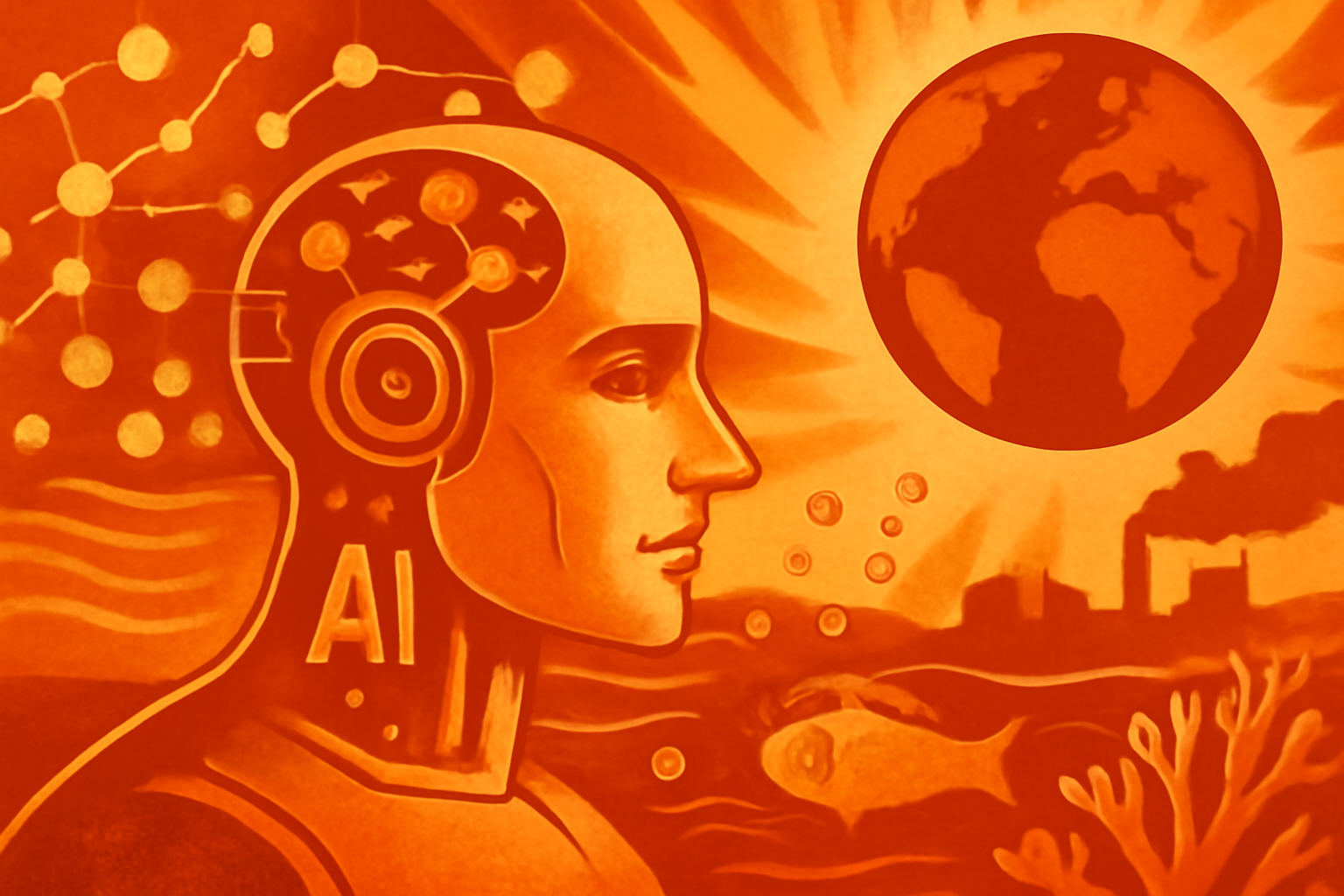
A digital display showing a glowing 3D river map with data streams representing AI-driven environmental analysis.
Photo: Avantgarde News
Scientists believe large language models (LLMs) can revolutionize how we protect aquatic ecosystems [1][2]. These AI systems can scan thousands of scientific papers and policy reports to synthesize complex information [3]. This helps identify priority pollutants in rivers and oceans more quickly than manual methods [1]. LLMs use advanced architectures to recognize complex terminology and capture relationships between data points [2]. They can link specific chemicals to their known toxic effects on wildlife [1][3]. This capability overcomes the traditional bottleneck caused by fragmented environmental information [1][2]. However, the technology remains in its early stages of development [3]. Experts warn about risks such as AI "hallucinations" and high energy demands for training advanced models [1][3]. Future efforts will focus on creating high-quality environmental datasets to ensure more reliable results [3].
Editorial notes
Transparency note
Drafted with LLM; human-edited
- AI assisted
- Yes
- Human review
- Yes
- Last updated
Risk assessment
Reviewed for sourcing quality and editorial consistency.
Sources
Related stories
View all

Topics
About the author
Avantgarde News Desk covers overcoming the environmental data bottleneck and editorial analysis for Avantgarde News.