
Targeting GPCRs with Artificial Intelligence
AI Designs Miniprotein Switches for Drug Discovery
Researchers use artificial intelligence to create proteins targeting critical receptors linked to major diseases.
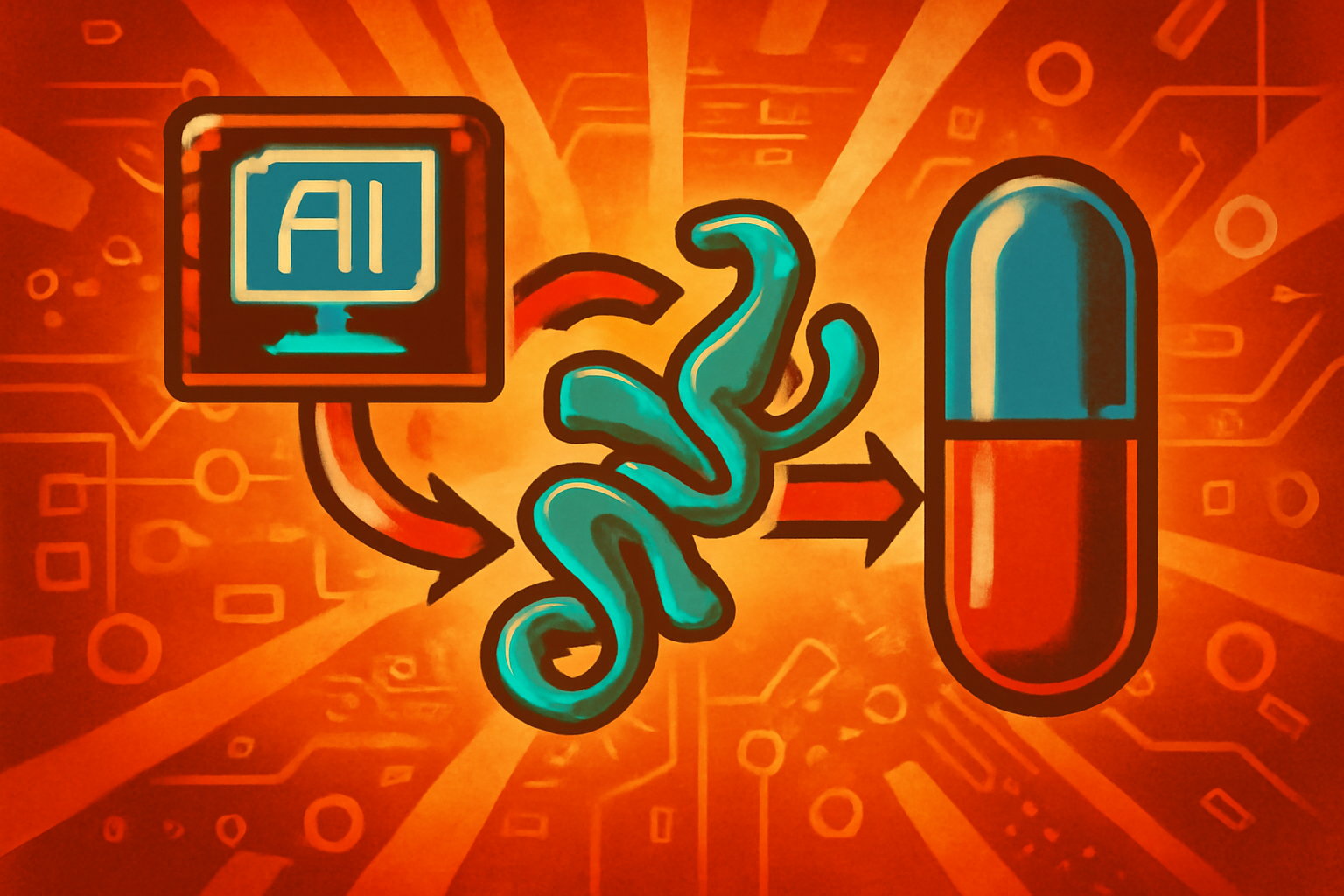
A complex 3D digital visualization of a miniprotein molecule on a computer monitor in a scientific research laboratory.
Photo: Avantgarde News
Scientists at UW Medicine have developed a new artificial intelligence method to create miniproteins. These proteins can effectively activate or block G protein-coupled receptors, known as GPCRs [1]. These receptors are vital because they regulate almost every physiological process in the human body [1][2].
The study, published in the journal Nature, provides a new roadmap for drug design. These AI-driven miniproteins act as switches for metabolic, inflammatory, and neurological diseases [1]. This breakthrough allows for the creation of precise drug candidates that were previously difficult to design [2].
Editorial notes
Transparency note
AI assisted drafting. Human edited and reviewed.
- AI assisted
- Yes
- Human review
- Yes
- Last updated
Risk assessment
The story relies on two independent source domains (uw.edu and eurekalert.org) rather than the recommended minimum of three.
Sources
Related stories
View all

Topics
About the author
Avantgarde News Desk covers targeting gpcrs with artificial intelligence and editorial analysis for Avantgarde News.