
Risks in Specialized Medical Advice
AI Chatbots Give Misleading Medical Advice 50% of the Time
A BMJ Open study finds major AI tools provide inaccurate health information and fabricated citations.
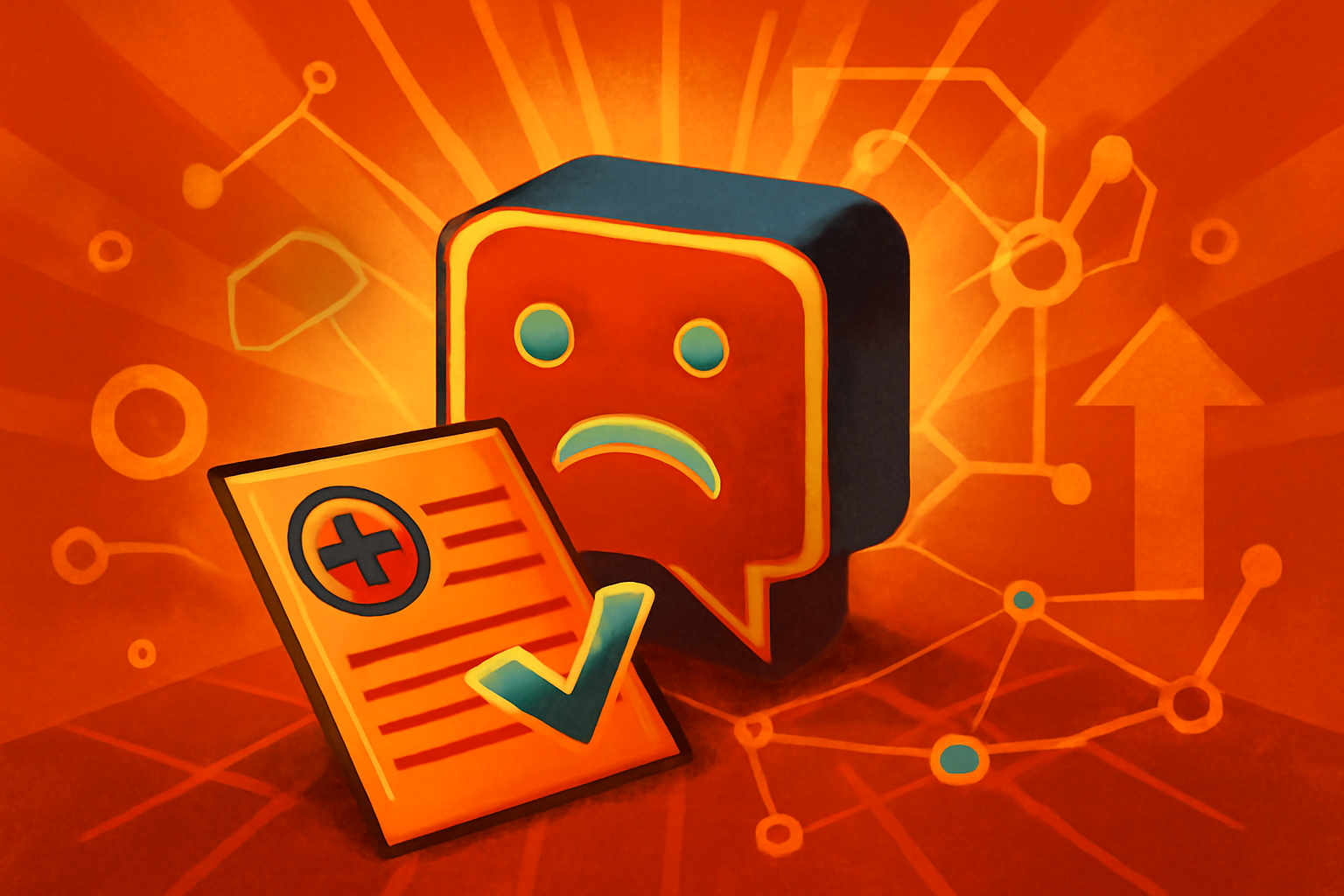
An editorial illustration of a smartphone screen showing a complex medical chart with a stethoscope lying on top, symbolizing the intersection of AI technology and healthcare advice.
Photo: Avantgarde News
Five popular AI chatbots provide "somewhat" or "highly" problematic medical advice in half of all cases, according to a study published in BMJ Open [1][2]. Researchers tested ChatGPT, Gemini, Meta AI, Grok, and DeepSeek against common health queries [1][3]. The audit revealed that these tools frequently present inaccurate information or fabricated citations as factual [2]. These AI tools often respond with high confidence even when providing misinformation [1]. This trend is particularly dangerous in specialized areas such as nutrition and stem cell therapies [2][3]. Experts warn that reliance on these automated tools for high-risk medical decisions poses significant safety concerns [1].
Editorial notes
Transparency note
Drafted with LLM; human-edited
- AI assisted
- Yes
- Human review
- Yes
- Last updated
Risk assessment
Reviewed for sourcing quality and editorial consistency.
Sources
Related stories
View all
Topics
About the author
Avantgarde News Desk covers risks in specialized medical advice and editorial analysis for Avantgarde News.