
Engineering Life Without Isoleucine
AI Breakthrough: E. Coli Strain Thrives on 19 Amino Acids
Researchers from Columbia, MIT, and Harvard use AI to engineer life without a universal biological building block.
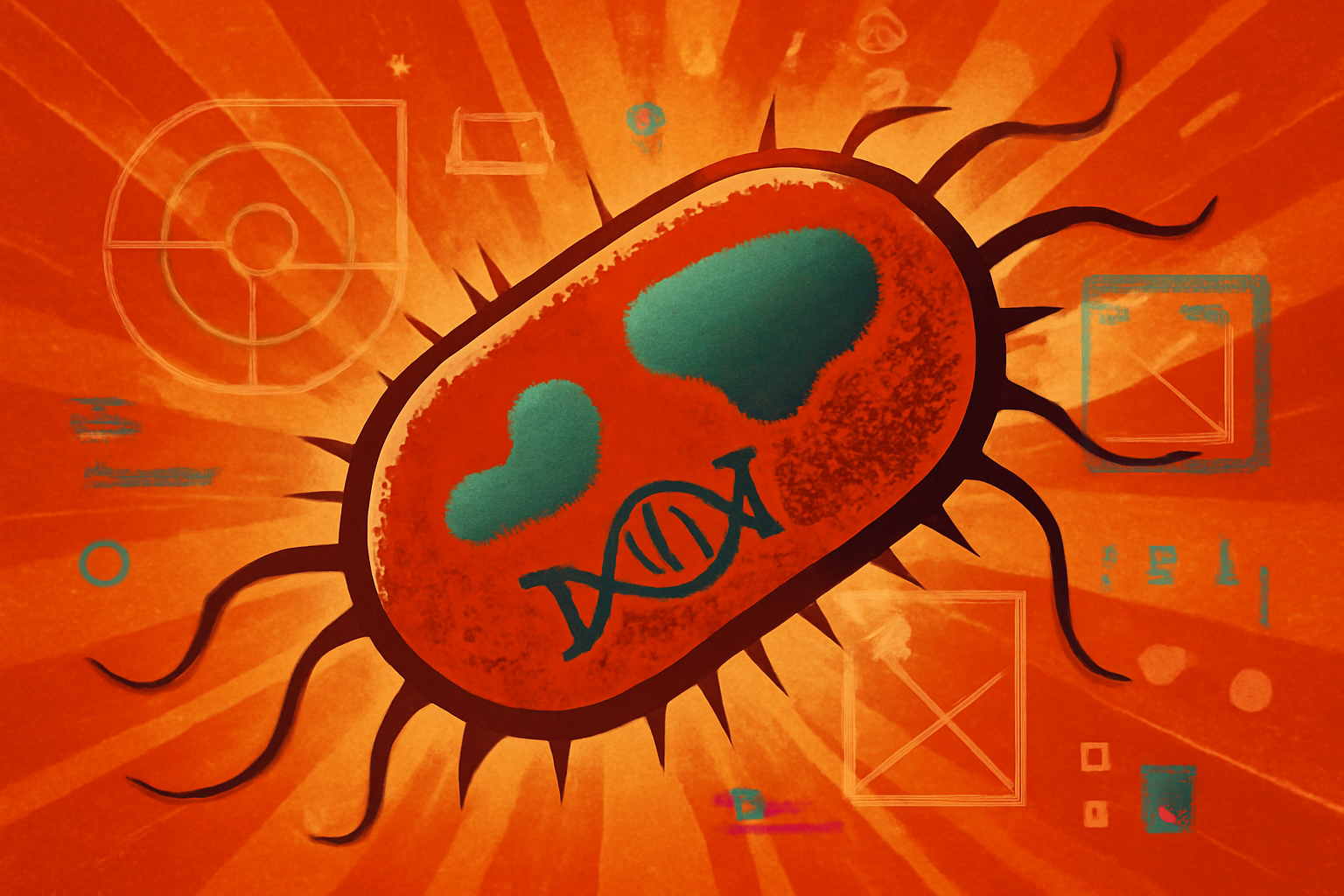
A stylized scientific illustration of a glowing E. coli bacterium surrounded by digital data streams and DNA structures on a minimalist background.
Photo: Avantgarde News
Researchers from Columbia University, MIT, and Harvard have engineered a unique strain of E. coli named Ec19 [1]. Using AI algorithms and protein language models, the team removed the amino acid isoleucine from the bacteria's ribosome [1][2]. This marks the first time an organism has reproduced using only 19 of the 20 universal amino acids [2][3].
The study demonstrates that life can function for hundreds of generations without a building block previously thought essential [1][2]. Scientists achieved this by redesigning the organism’s internal machinery to bypass the need for isoleucine entirely [2]. This discovery challenges established rules of biology and opens new doors for synthetic life design [3].
Editorial notes
Transparency note
AI assisted drafting. Human edited and reviewed.
- AI assisted
- Yes
- Human review
- Yes
- Last updated
Risk assessment
Reviewed for sourcing quality and editorial consistency.
Sources
- 1.↗
techtimes.com
http://www.techtimes.com/articles/316546/20260512/ai-helps-scientists-create-new-ecoli-strain-using-only-19-amino-acids.htm
- 2.↗
dataconomy.com
https://dataconomy.com/2026/05/13/scientists-create-first-organism-with-fewer-than-20-amino-acids-with-ai/
- 3.↗
popularmechanics.com
https://www.popularmechanics.com/science/a71236263/19-amino-acids/
Related stories
View all


Topics
About the author
Avantgarde News Desk covers engineering life without isoleucine and editorial analysis for Avantgarde News.