
Moving Beyond Subjective Pain Ratings
AI and Wearables to Replace Traditional Pain Scales
A new JMIR report suggests AI-driven trackers provide a more accurate way to measure chronic pain levels.
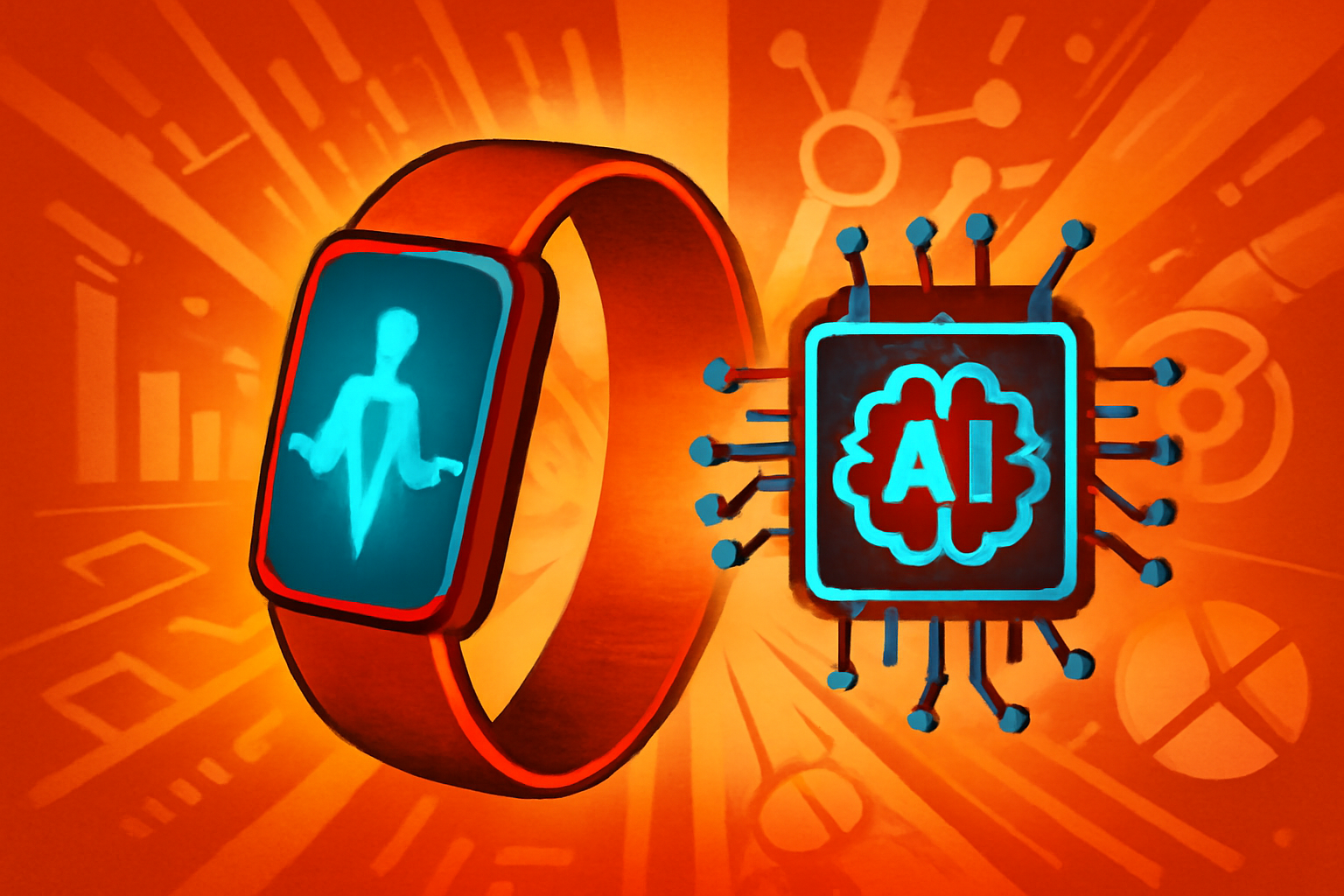
A close-up of a patient's wrist with a digital health tracker showing data trends while a tablet in the background displays clinical analytics.
Photo: Avantgarde News
A new report from JMIR Publications argues that digital tools can replace outdated 0-to-10 pain scales [3]. These tools include AI-driven trackers and wearable devices [1]. They capture real-time data to give clinicians a holistic view of patient suffering [1][2].
Traditional scales often rely on a patient’s memory, which can lead to recall bias [1]. AI technologies like PainChek and Doctor Notes help solve this problem [1][3]. These systems analyze biopsychosocial data for more accurate assessments [2].
Experts say these advancements will improve how doctors treat chronic pain [2]. By using objective data, clinicians can create better care plans for their patients [1][3].
Editorial notes
Transparency note
AI assisted drafting. Human edited and reviewed.
- AI assisted
- Yes
- Human review
- Yes
- Last updated
Risk assessment
Reviewed for sourcing quality and editorial consistency.
Sources
Related stories
View all


Topics
About the author
Avantgarde News Desk covers moving beyond subjective pain ratings and editorial analysis for Avantgarde News.