Mastering the Idris Programming Language
USC Researchers Enable AI to Fix Its Own Knowledge Gaps
A new feedback loop helped GPT-5 master the Idris language, raising its success rate from 39% to 96%.
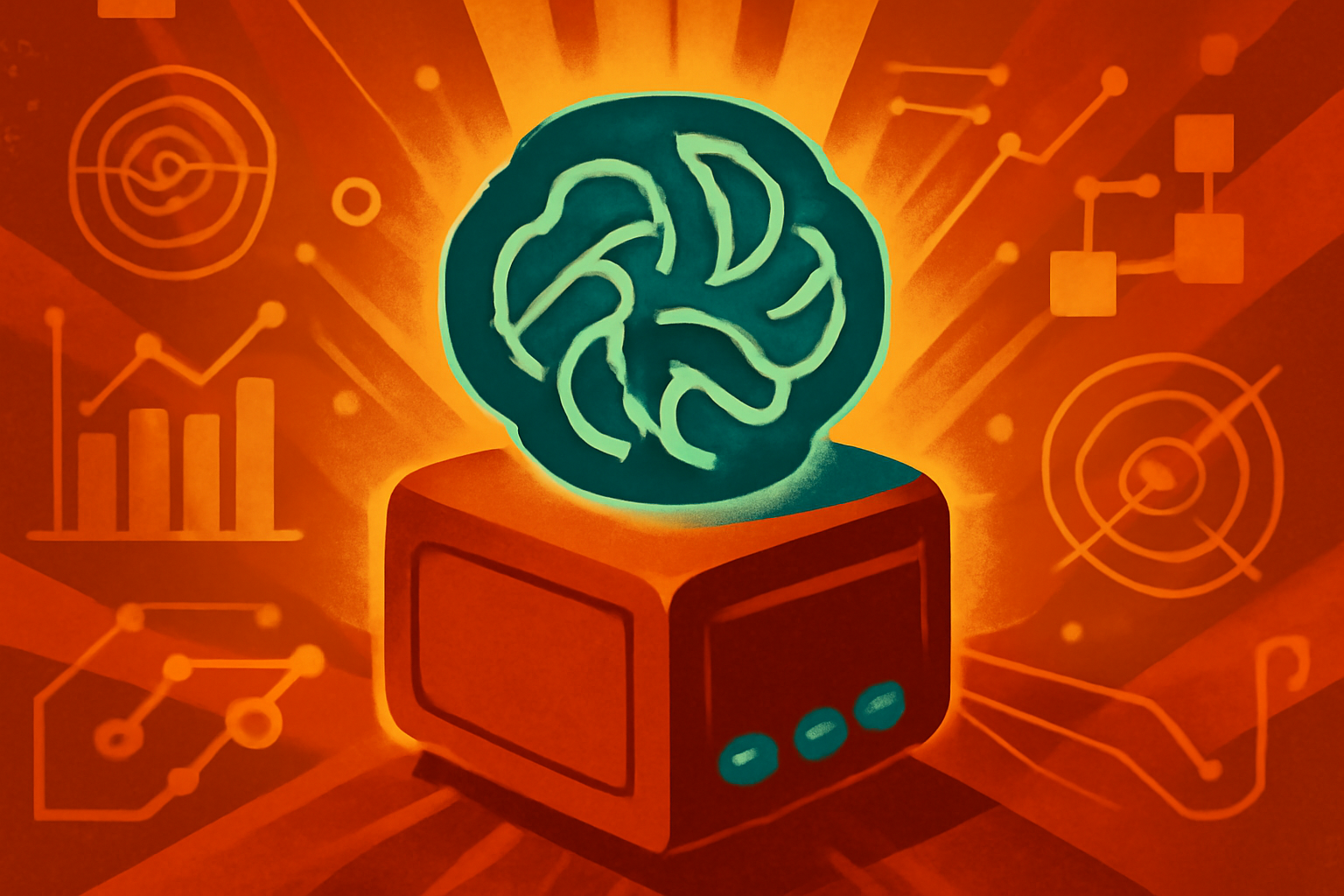
A holographic display in a research lab showing lines of programming code being analyzed and automatically updated by an artificial intelligence system.
Photo: Avantgarde News
Researchers at the USC Viterbi School of Engineering developed a method for AI to bridge its own knowledge gaps [1]. The system uses a structured feedback loop to correct errors in real time [1]. This allows models to learn concepts that were not part of their original training [1]. The team tested this approach using GPT-5 and an obscure programming language called Idris [1]. While the model was initially unfamiliar with the language, the feedback loop allowed it to refine its understanding [1]. This process occurred without manual human intervention during the task [1]. The AI's success rate jumped from 39% to 96% during the study [1]. Experts believe this breakthrough could change how future large language models are trained and updated [1].
Editorial notes
Transparency note
Drafted with LLM; human-edited
- AI assisted
- Yes
- Human review
- Yes
- Last updated
Risk assessment
Risk level set to high because the story relies on a single primary source domain (USC News), failing the requirement for three independent domains.
Sources
Related stories
View all

Topics
About the author
Avantgarde News Desk covers mastering the idris programming language and editorial analysis for Avantgarde News.