
Why Bodily Awareness Matters for AI Safety
UCLA Study: AI Lacks Human-Like 'Internal Embodiment'
Researchers find current AI systems lack the bodily awareness needed for safe alignment with human experiences.
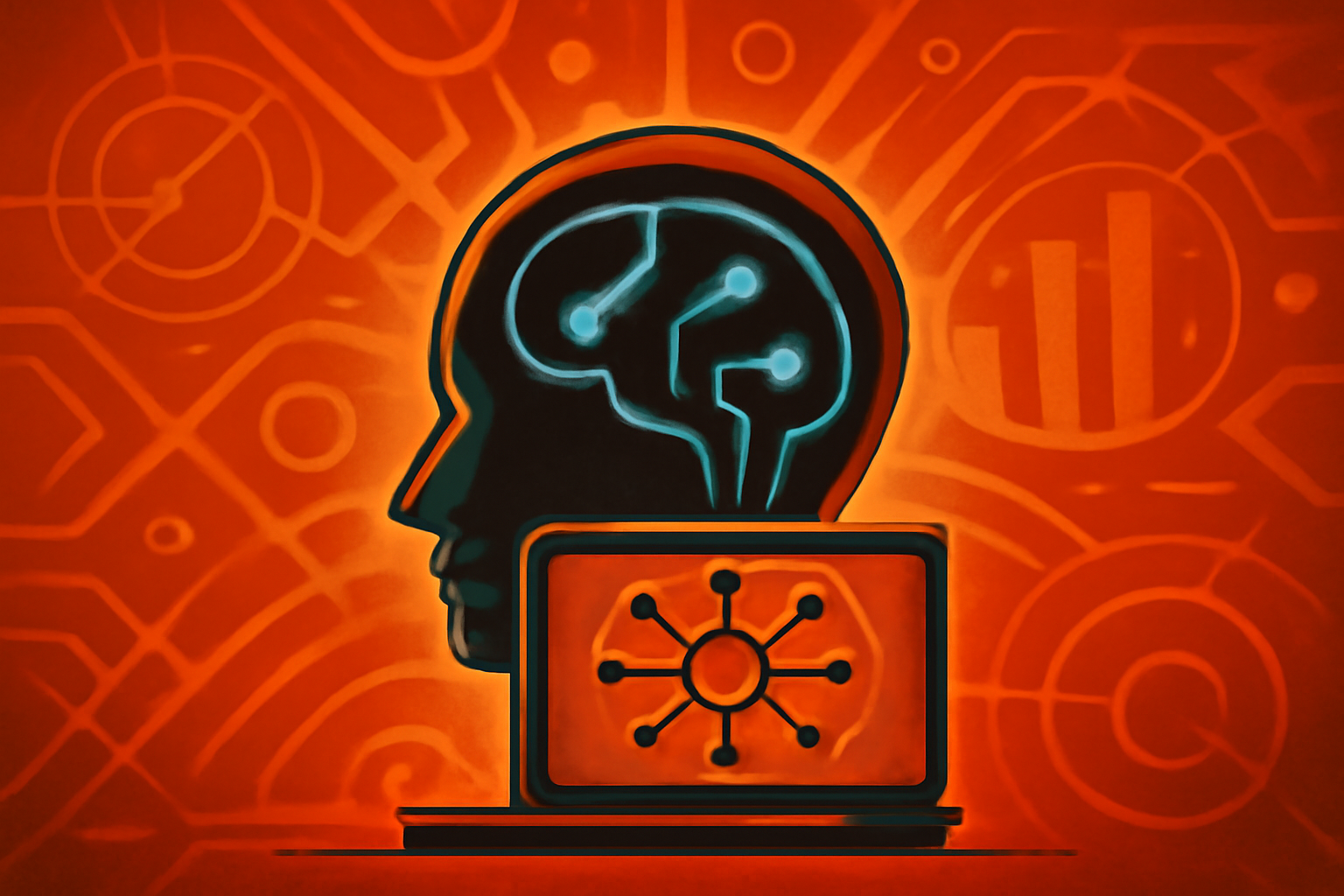
An artistic representation of a digital brain with an internal biological structure, representing the UCLA study on AI internal embodiment and human safety.
Photo: Avantgarde News
Researchers at UCLA Health published a study in the journal Neuron regarding artificial intelligence safety [1]. The team argues that current multimodal AI systems lack internal bodily awareness, such as fatigue or uncertainty [1][2]. These "internal embodiments" are critical for aligning AI behavior with human behavior and safety needs [1]. While AI can accurately describe human feelings, it does not actually experience them [2]. The study suggests that this gap prevents current systems from fully understanding human safety requirements [1][3]. Experts propose that future AI might require simulated internal sensors to better mimic human physical states and improve reliability [3].
Editorial notes
Transparency note
Drafted with LLM; human-edited
- AI assisted
- Yes
- Human review
- Yes
- Last updated
Risk assessment
Reviewed for sourcing quality and editorial consistency.
Sources
- 1.↗
uclahealth.org
https://www.uclahealth.org/news/release/ai-can-describe-human-experiences-lacks-experience-actual-2
- 2.↗
nationaltoday.com
https://nationaltoday.com/us/ca/los-angeles/news/2026/04/02/ucla-study-ai-lacks-body-experience-to-fully-understand-humans/
- 3.↗
letsdatascience.com
https://letsdatascience.com/news/researchers-propose-internal-embodiment-for-ai-b859cb3b
Related stories
View all


Topics
About the author
Avantgarde News Desk covers why bodily awareness matters for ai safety and editorial analysis for Avantgarde News.