
Improving Early Detection Through Deep Learning
UC Berkeley AI Predicts Sudden Cardiac Death Risk
Researchers use deep learning to identify a new ECG biomarker that outperforms current clinical diagnostic standards.
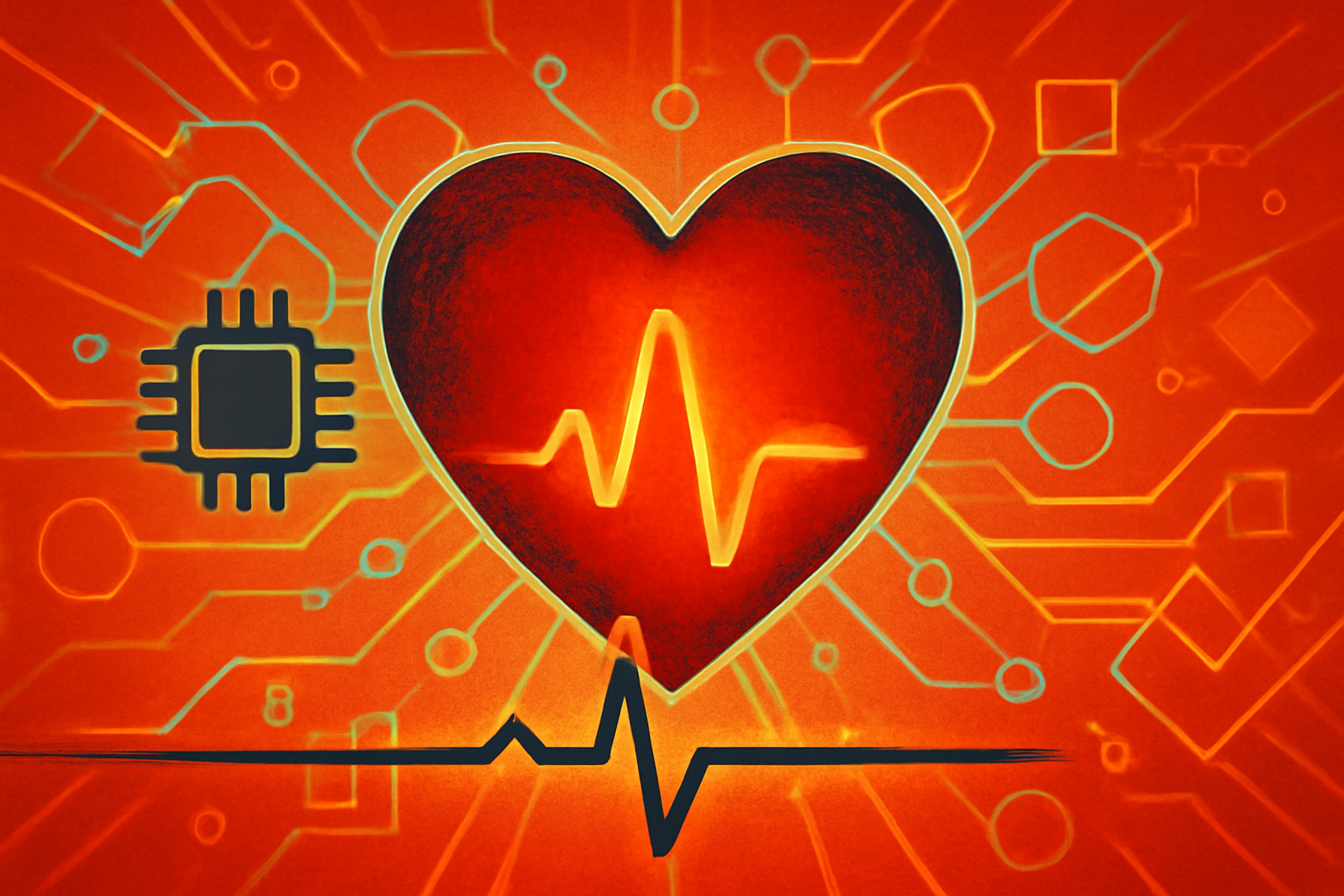
A digital heart rate monitor displaying a glowing blue ECG wave with abstract data points and neural network lines overlaying the electrical signals.
Photo: Avantgarde News
Researchers at UC Berkeley identified a new biomarker for sudden cardiac death using deep learning [1]. The study, published in the journal Nature, reveals an electrocardiogram (ECG) pattern previously unknown to medical professionals [2]. This AI-driven method predicts risks with significantly higher accuracy than existing clinical standards [3].
The team analyzed large datasets of ECG recordings to train their model [1]. This digital tool identifies subtle electrical signals that human eyes often miss [3]. Early detection of these markers could allow doctors to intervene before a fatal cardiac event occurs [1][2].
Editorial notes
Transparency note
AI assisted drafting. Human edited and reviewed.
- AI assisted
- Yes
- Human review
- Yes
- Last updated
Risk assessment
Reviewed for sourcing quality and editorial consistency.
Sources
- 1.↗
news.berkeley.edu
https://news.berkeley.edu/2026/06/24/with-ai-researchers-discover-new-way-to-detect-sudden-cardiac-death-risk/
- 2.↗
oodaloop.com
https://oodaloop.com/briefs/technology/with-ai-researchers-discover-new-way-to-detect-sudden-cardiac-death-risk/
- 3.↗
bioengineer.org
https://bioengineer.org/deep-learning-reveals-ecg-sudden-death-marker/
Related stories
View all
Topics
About the author
Avantgarde News Desk covers improving early detection through deep learning and editorial analysis for Avantgarde News.