
Challenges for Computer Science and Education
Stanford Study: AI Adoption Outpaces Institutional Readiness
Research highlights surging AI use in healthcare and education as traditional institutions struggle to adapt.
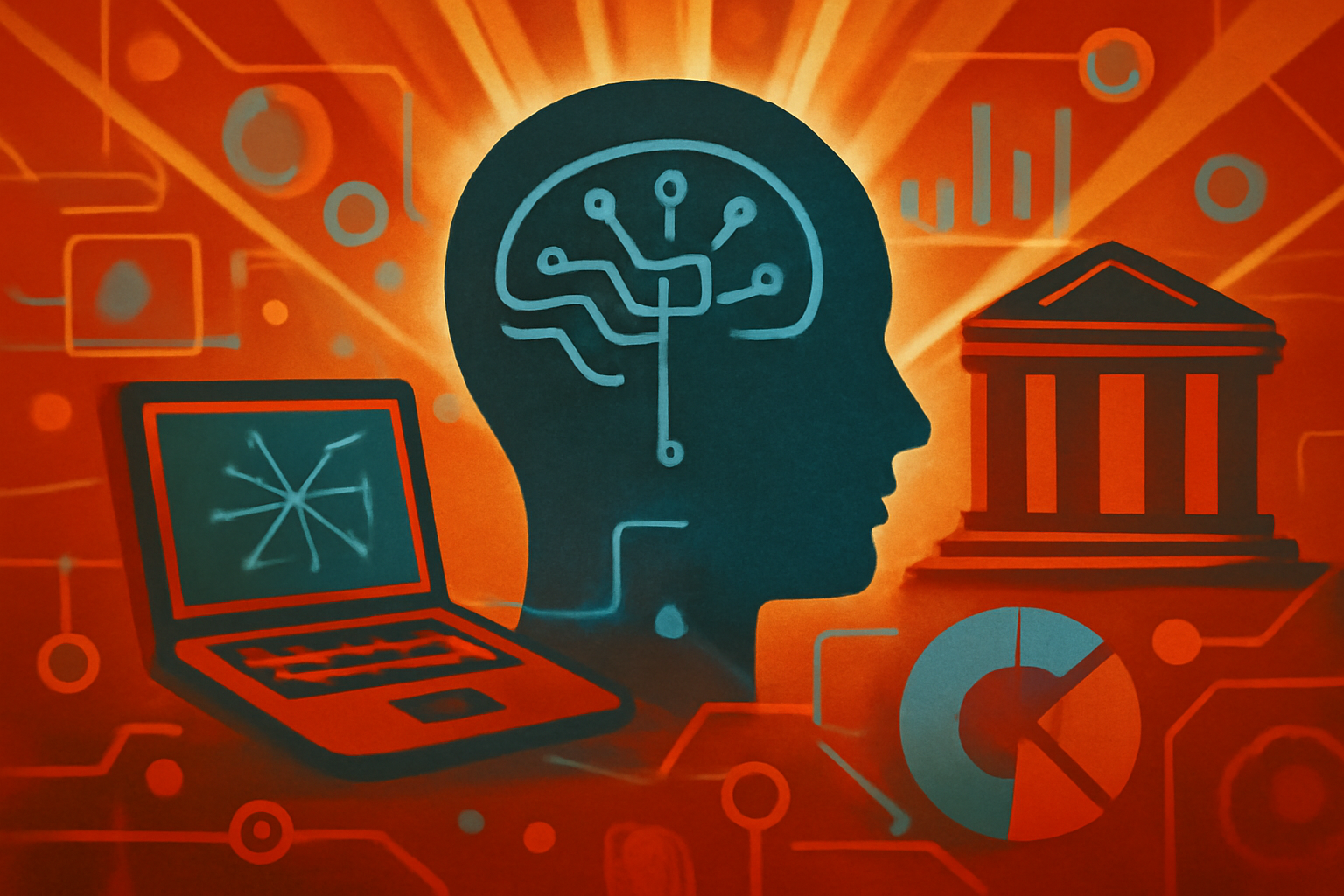
A photograph showing the contrast between advanced digital AI technology and a traditional university classroom setting, illustrating the gap in institutional readiness.
Photo: Avantgarde News
New research from Stanford University reveals that artificial intelligence adoption is surging across sectors like healthcare and graduate education [1]. Despite this rapid growth, traditional institutions are reportedly struggling to keep pace with the technological shift [1]. The study highlights a growing gap between how fast tools are deployed and how quickly organizations can adapt [1].
Computer science enrollment and curriculum development are among the areas facing significant pressure [1]. While some industries embrace these new capabilities, institutional readiness remains a major hurdle for long-term stability [1]. Details from the research suggest that without faster structural changes, the disconnect between technology and policy may continue to widen [1].
Editorial notes
Transparency note
AI assisted drafting. Human edited and reviewed.
- AI assisted
- Yes
- Human review
- Yes
- Last updated
Risk assessment
The risk level is set to high because the report relies on a single source domain, failing the recommended checklist of three independent domains.
Sources
Related stories
View all

Topics
About the author
Avantgarde News Desk covers challenges for computer science and education and editorial analysis for Avantgarde News.