
Adapting to Unseen Biological Data
Singapore Researchers Launch AI Drug Discovery Framework
The TAB system allows AI models to predict bioactivity for novel molecules without using original training data.
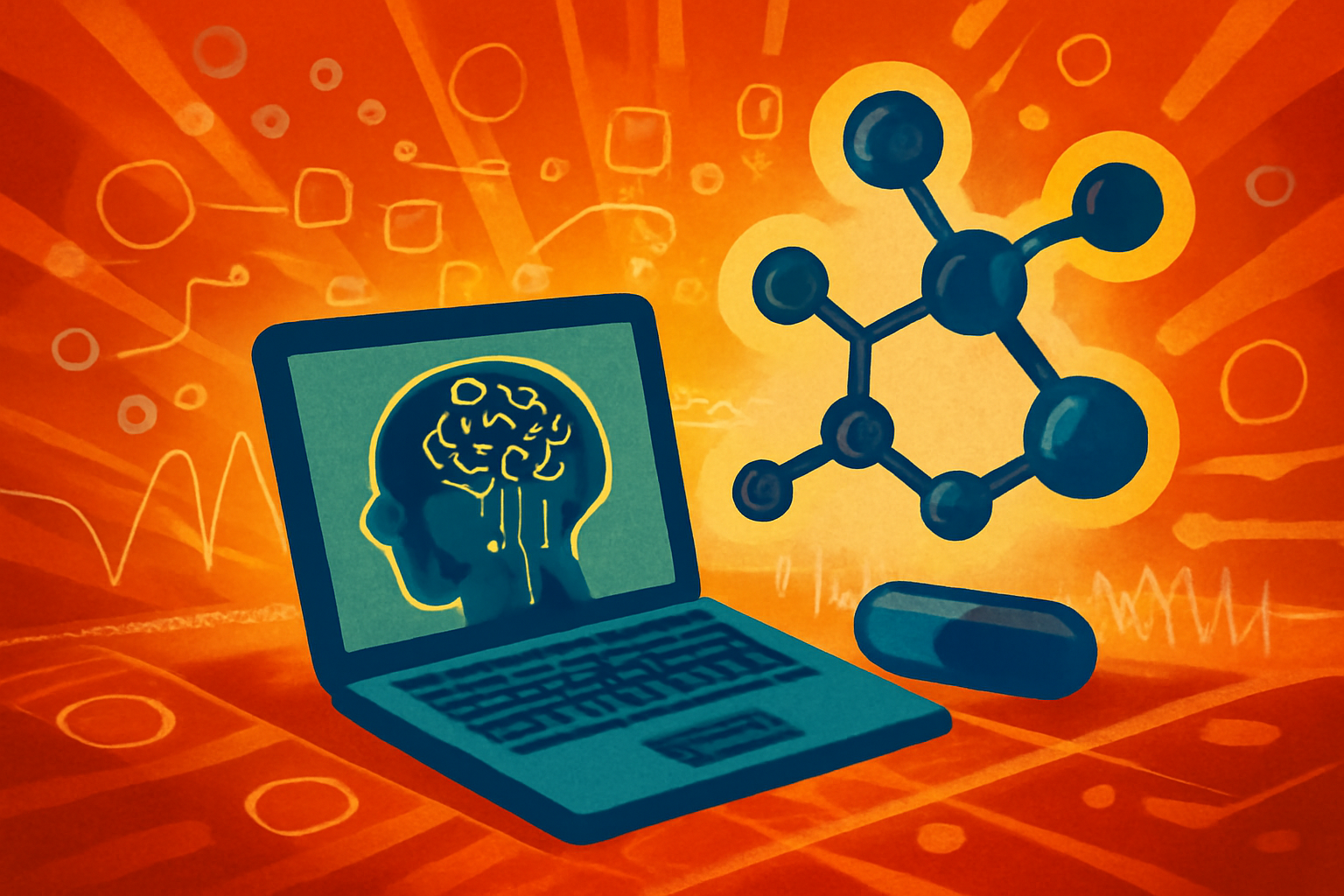
A digital 3D model of a complex protein structure and various chemical molecules displayed on a laboratory monitor, representing AI drug discovery technology.
Photo: Avantgarde News
Researchers in Singapore have introduced a new framework called TAB (Test-time Adaptation) to improve AI-driven drug discovery [1]. This system enables models to accurately predict bioactivity for novel proteins and molecules that fall outside their original training domains [1][2].
Unlike traditional AI tools, TAB allows models to adapt to new data without requiring access to the initial source training datasets [1]. This breakthrough simplifies the process of analyzing unseen biological structures, potentially accelerating the search for new medical treatments [2].
Editorial notes
Transparency note
AI assisted drafting. Human edited and reviewed.
- AI assisted
- Yes
- Human review
- Yes
- Last updated
Risk assessment
The risk level is elevated to high because the source list contains only two independent domains, which is below the recommended minimum of three for verification.
Sources
Related stories
View all

Topics
About the author
Avantgarde News Desk covers adapting to unseen biological data and editorial analysis for Avantgarde News.