
Understanding Neural Clusters in AI Models
Researchers Use AI "Digital Twin" to Model Dyslexia
Scientists at EPFL’s NeuroAI Lab mimic reading impairments by disabling neural clusters in vision language models.
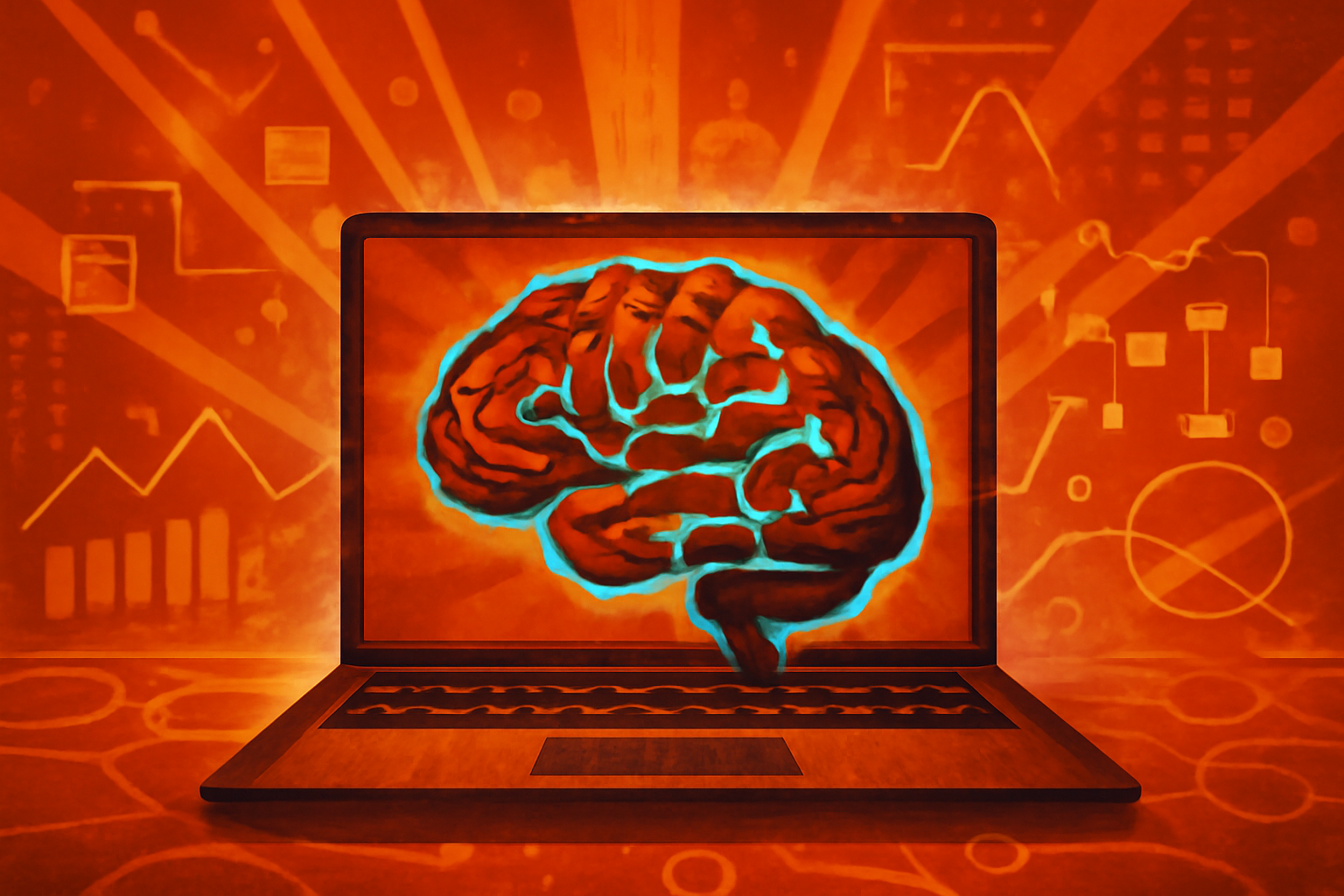
A digital rendering of a human brain silhouette with glowing neural connections, where some clusters are highlighted and others are dimmed to illustrate a digital twin model of dyslexia research.
Photo: Avantgarde News
Scientists from the NeuroAI Lab at EPFL have successfully modeled dyslexia using next-generation Vision Language Models (VLMs) [1]. The researchers used an AI "digital-twin brain" to reproduce behavioral patterns similar to those found in people with reading impairments [1]. By selectively disabling specific neural clusters, the team mimicked human visual word processing areas [1].
This breakthrough allows researchers to observe how specific neural disruptions affect reading performance without invasive procedures [1]. The study highlights the potential for NeuroAI to provide new insights into cognitive conditions [1]. While related industries explore AI research platforms for broader data mapping, this study focuses on the neural architecture of literacy [2].
Editorial notes
Transparency note
AI assisted drafting. Human edited and reviewed.
- AI assisted
- Yes
- Human review
- Yes
- Last updated
Risk assessment
High risk assigned because the source list contains fewer than three independent domains relevant to the primary topic.
Sources
Related stories
View all


Topics
About the author
Avantgarde News Desk covers understanding neural clusters in ai models and editorial analysis for Avantgarde News.