
Biomimetic Tech Solves Lighting Challenges
New Artificial Eyes to Enhance Robot and Car Vision
Penn State researchers develop a photomemristor that mimics human light adaptation for safer autonomous systems.
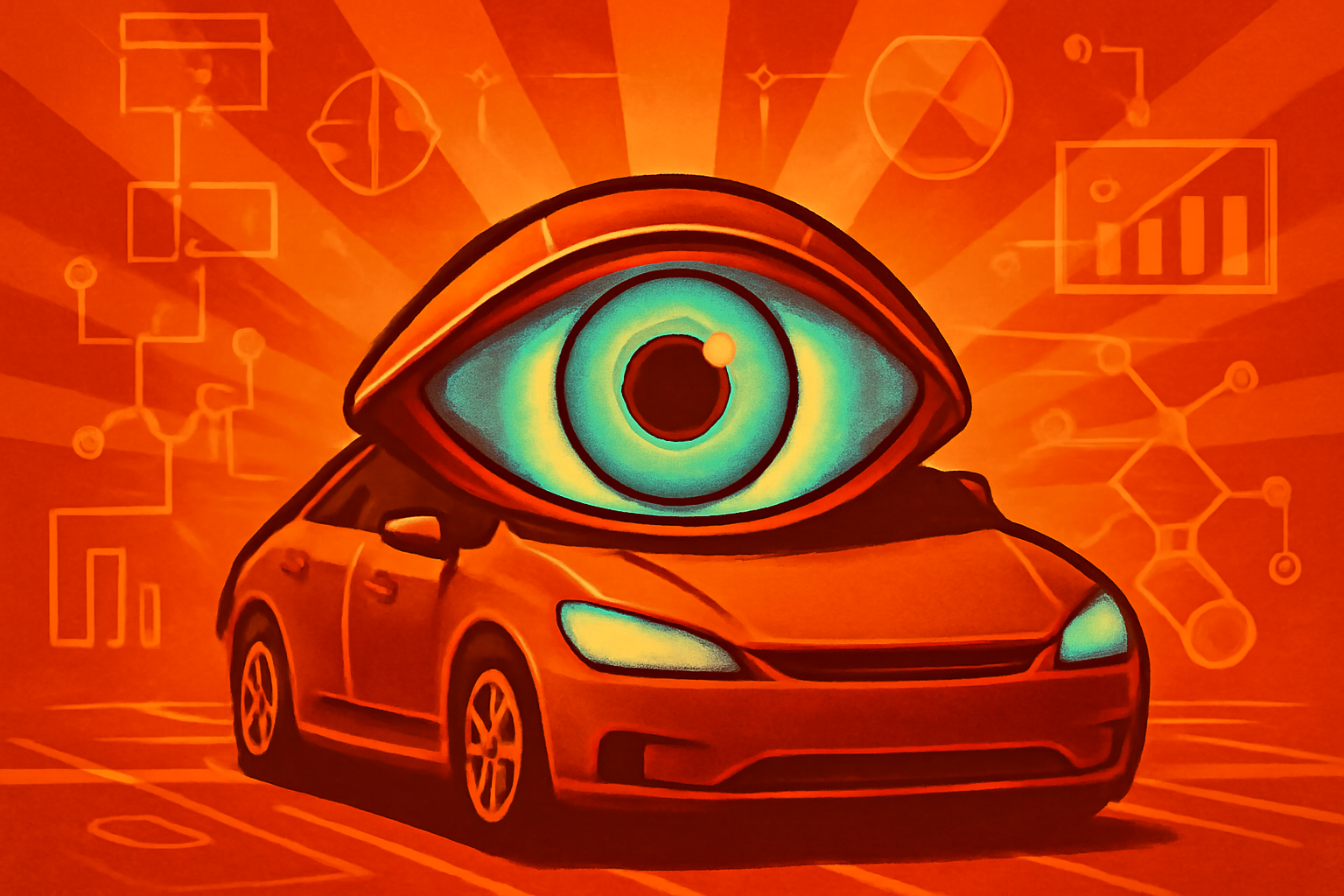
A close-up of a photomemristor chip designed for artificial vision, with a futuristic autonomous vehicle in the background.
Photo: Avantgarde News
Researchers co-led by Penn State have developed a "photomemristor" device that mimics the human eye's ability to adapt to varying light [1]. This breakthrough aims to solve a major challenge for self-driving cars and robots that struggle in high-contrast environments [2]. The technology allows autonomous systems to adjust their sensitivity just like biological eyes [3].
Unlike current digital cameras, the photomemristor can store visual information and respond to light stimuli simultaneously [1]. This dual function enables robots to navigate safely through changing conditions, such as driving into a dark tunnel [2]. The researchers believe this biological approach provides a more efficient path toward human-like sight in machines [3].
Editorial notes
Transparency note
AI assisted drafting. Human edited and reviewed.
- AI assisted
- Yes
- Human review
- Yes
- Last updated
Risk assessment
Reviewed for sourcing quality and editorial consistency.
Sources
Related stories
View all


Topics
About the author
Avantgarde News Desk covers biomimetic tech solves lighting challenges and editorial analysis for Avantgarde News.