Efficiency Gains in Hybrid AI Training
Neuro-Symbolic AI Beats Generative Models in Efficiency
New research finds hybrid models use 100 times less energy while improving complex reasoning tasks.
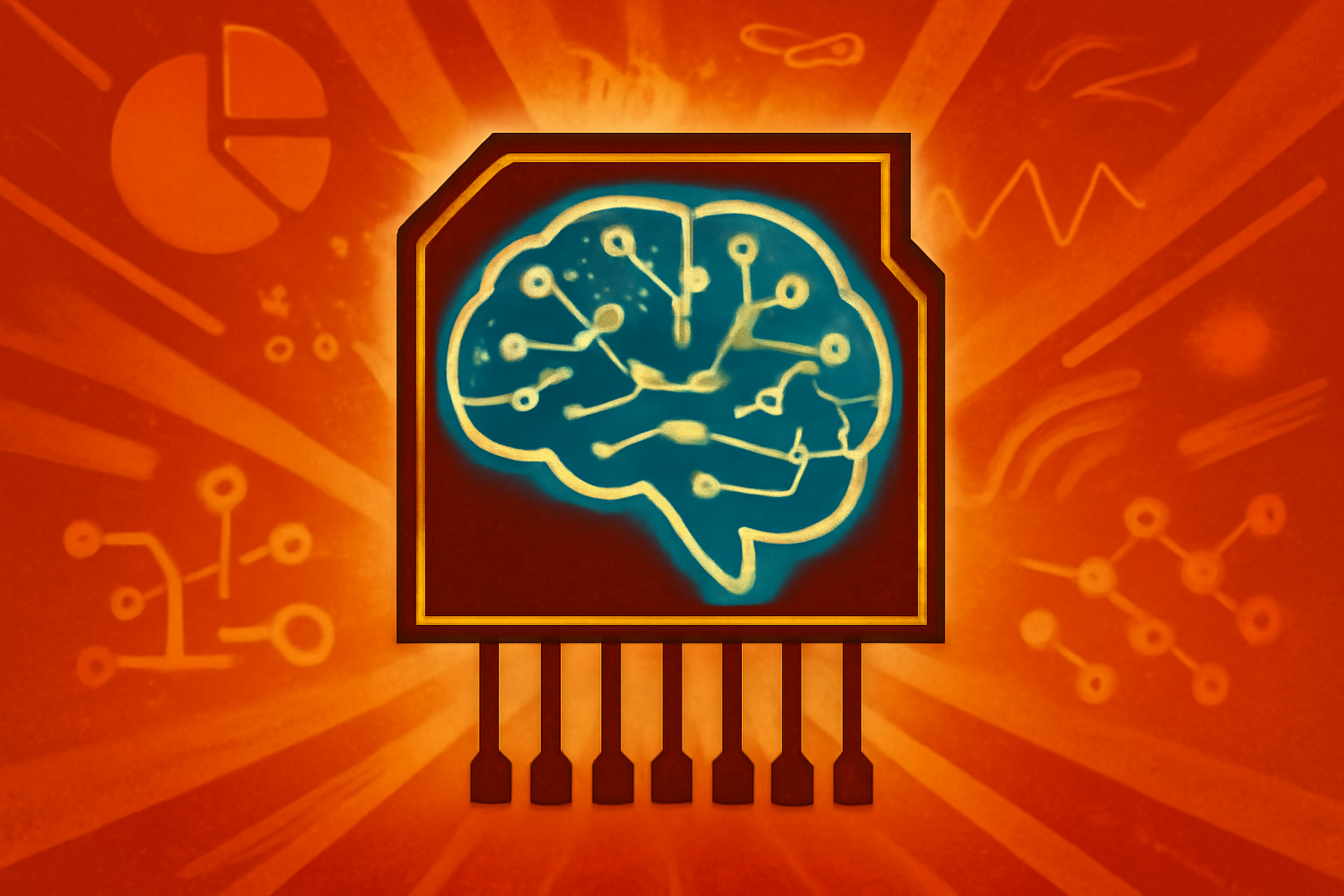
A conceptual illustration of neuro-symbolic AI, merging a digital brain representing neural networks with a logical geometric grid representing symbolic AI.
Photo: Avantgarde News
Neuro-symbolic AI architectures now outperform standard generative models in complex reasoning tasks. Research released on April 16, 2026, shows these systems excel at long-horizon reasoning [1]. This approach combines the logic of symbolic AI with the pattern recognition of neural networks [1]. The study highlights significant gains in sustainability for the tech industry. These hybrid models consume roughly 100 times less energy during training compared to traditional generative models [1]. This two-order-of-magnitude reduction addresses growing concerns over the environmental impact of artificial intelligence [1]. Beyond efficiency, neuro-symbolic systems offer better scalability for intricate logic [1]. This development could reshape how developers approach large-scale machine learning projects in the future [1].
Editorial notes
Transparency note
Drafted with LLM; human-edited
- AI assisted
- Yes
- Human review
- Yes
- Last updated
Risk assessment
The source list contains only one independent domain (Forbes), which fails the recommendation of three or more independent domains for verification.
Sources
Related stories
View all


Topics
About the author
Avantgarde News Desk covers efficiency gains in hybrid ai training and editorial analysis for Avantgarde News.