Risks to Global Peer Review Systems
NASA Warns of AI Threat to Scientific Publishing
Experts at a NASA lecture highlight how AI-generated papers strain peer review systems and harm research integrity.
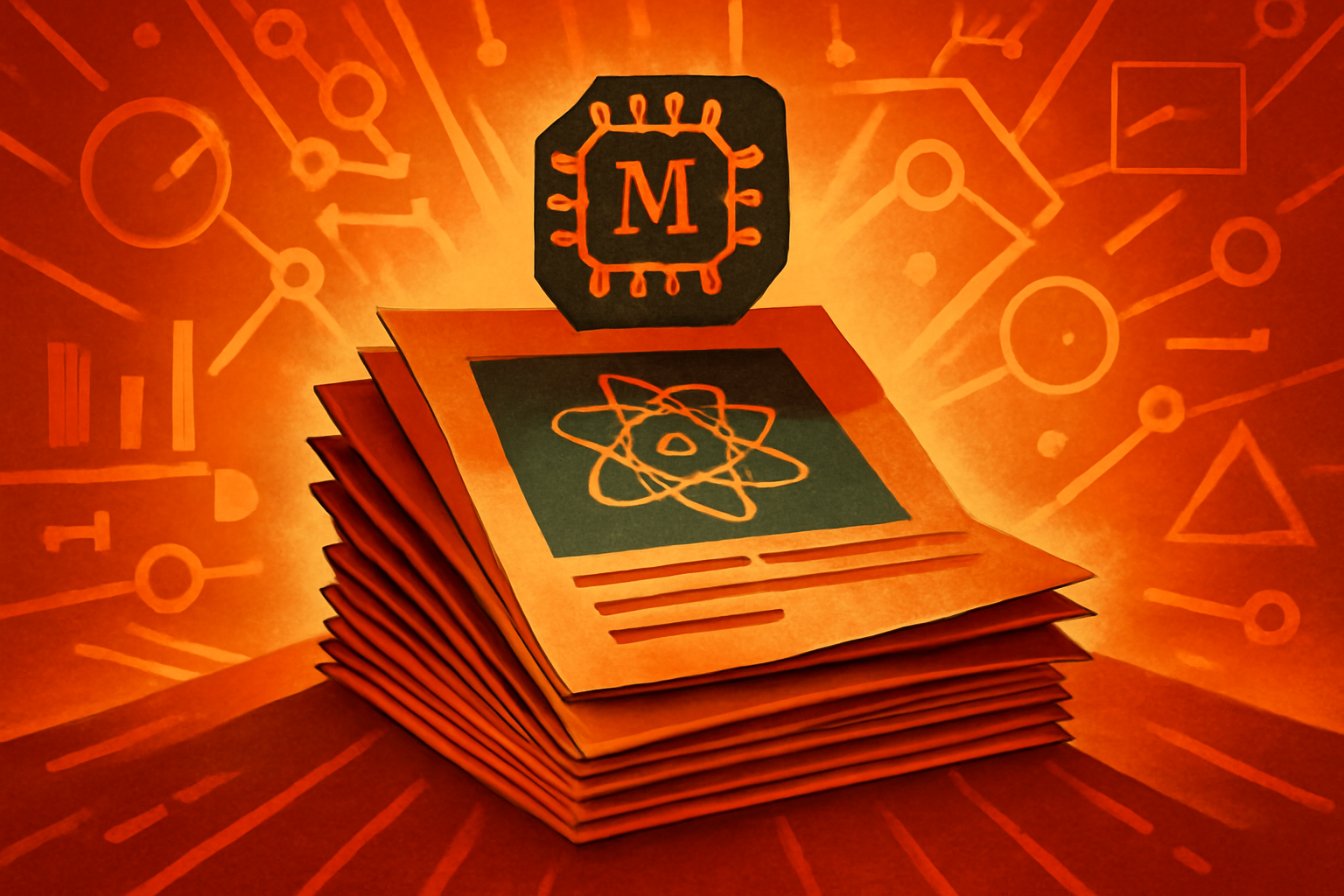
A scientific journal on a desk overlaid with digital code and faint outlines of robotic hands, representing the intersection of AI and academic publishing.
Photo: Avantgarde News
NASA experts warned of a surge in low-quality scientific papers during a recent Science STIG lecture [1]. The rise of artificial intelligence in academic writing is creating unprecedented pressure on editorial workflows [1]. These automated tools allow for rapid submissions that often lack rigorous oversight [1]. The lecture, held on April 13, 2026, highlighted how these trends threaten public trust in scientific findings [1]. Peer review systems are currently facing extreme strain as they attempt to filter out AI-assisted submissions [1]. Experts emphasize the need for new standards to protect the integrity of future research dissemination [1].
Editorial notes
Transparency note
Drafted with LLM; human-edited
- AI assisted
- Yes
- Human review
- Yes
- Last updated
Risk assessment
The content relies on a single source domain (nasa.gov), failing the multi-domain diversity requirement.
Sources
Related stories
View all


Topics
About the author
Avantgarde News Desk covers risks to global peer review systems and editorial analysis for Avantgarde News.