Challenges for Peer Review Systems
NASA Lecture Examines AI Impact on Science Publishing
Professor Licia Verde discusses how large language models challenge peer review and scientific dissemination.
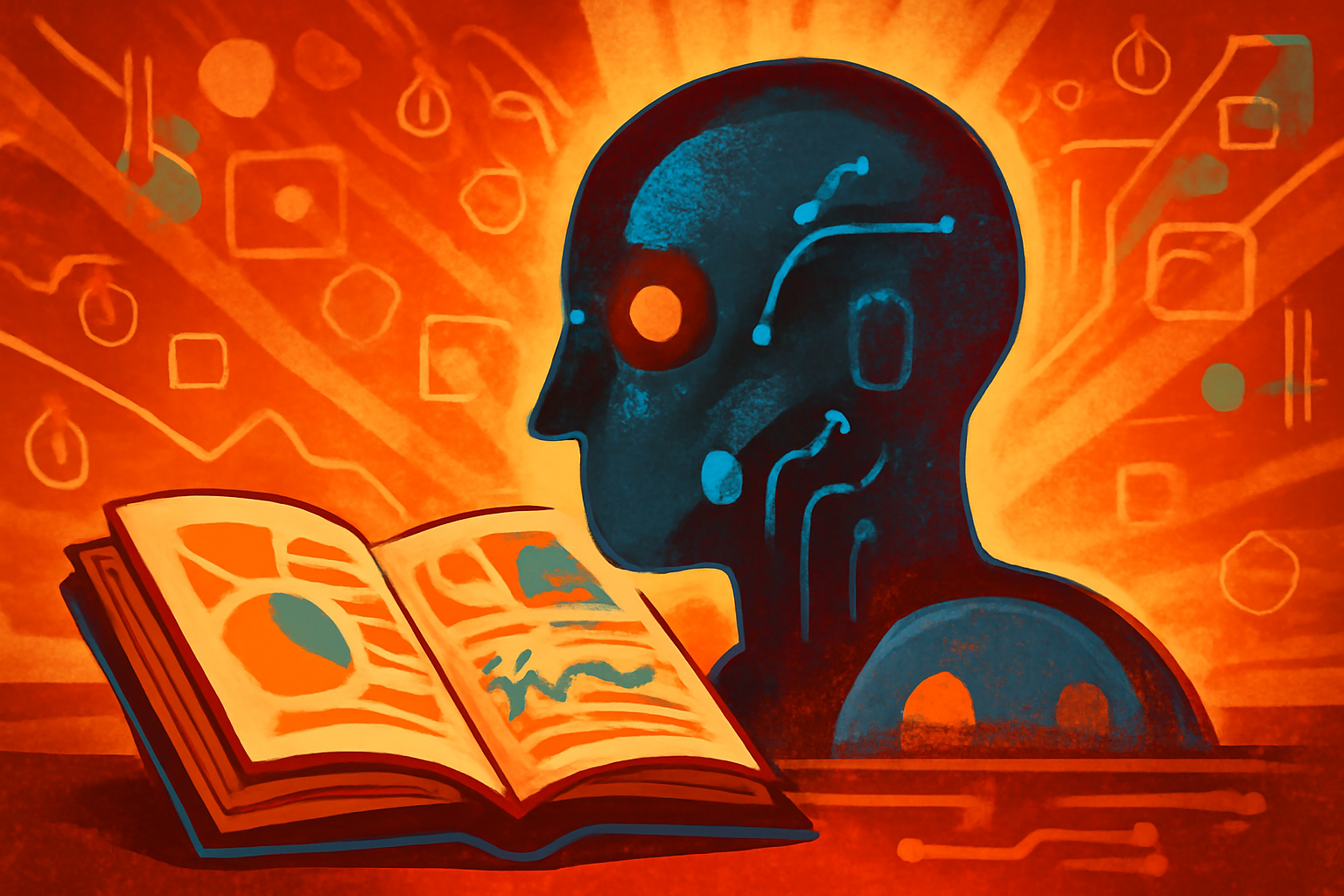
A scientist delivers a lecture at NASA about the influence of artificial intelligence on the peer review process of scientific journals.
Photo: Avantgarde News
Professor Licia Verde delivered a lecture on April 13, 2026, regarding the disruptive role of artificial intelligence in scientific publishing [1]. Verde serves as the scientific director of the Journal of Cosmology and Astroparticle Physics [1]. The presentation addressed how large language models are currently transforming scientific dissemination [1]. These technologies are placing unprecedented strain on traditional journal peer review systems [1]. Verde explored the disruptive nature of these tools during the NASA Science event [1]. The lecture emphasized the evolving relationship between automated technology and academic integrity [1].
Editorial notes
Transparency note
Drafted with LLM; human-edited
- AI assisted
- Yes
- Human review
- Yes
- Last updated
Risk assessment
The risk level is set to high because the story relies on a single source domain (NASA), which does not meet the internal requirement of three independent sources for minimal risk categorization.
Sources
- 1.↗
NASA Science
NASA Science Lecture Explores AI's Disruptive Impact on Scientific Publishing
Professor Licia Verde, scientific director of the Journal of Cosmology and Astroparticle Physics, delivered a lecture on April 13, 2026, exploring how artificial intelligence and large language models are transforming scientific dissemination and placing unprecedented strain on journal peer review systems.
Back to reference
Related stories
View all

Topics
About the author
Avantgarde News Desk covers challenges for peer review systems and editorial analysis for Avantgarde News.