
Improving Future Self-Continuity
MIT AI 'Future Selves' Help People Make Better Choices
Research shows that chatting with an AI version of your older self can reduce anxiety and improve long-term goals.

A young person interacts with a digital tablet displaying an AI-generated older version of themselves as part of an MIT research study on decision making.
Photo: Avantgarde News
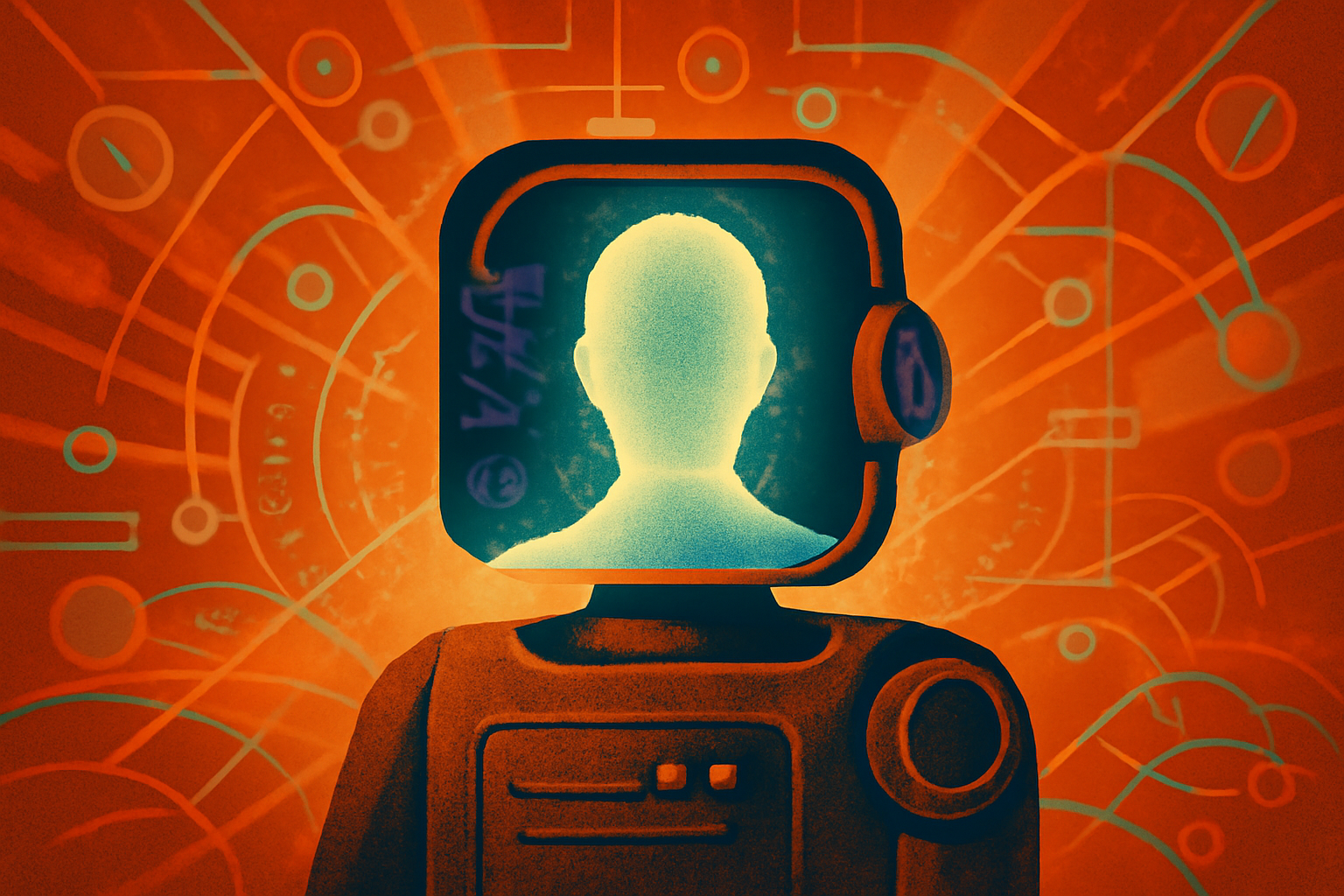
Researchers at MIT and collaborating institutions have developed an AI system called "Future You" to help individuals make better long-term life choices [1][2]. The system uses large language models to generate a relatable, 60-year-old simulation of the user [1][3]. This interaction aims to bridge the gap between a person's current identity and their future self [2].
A study involving the platform demonstrated that users experienced a significant reduction in anxiety after a brief conversation [1]. By improving what researchers call "future self-continuity," participants felt more connected to their long-term goals [1][3]. This psychological connection encourages people to make wiser daily decisions that benefit their older selves [1].
The technology works by creating a synthetic persona based on user data and aging their digital likeness [2]. While the system provides a glimpse into a potential future, its primary benefit is psychological rather than predictive [3]. Researchers believe this tool could assist in critical areas like financial planning and positive health behaviors [1].
Editorial notes
Transparency note
AI assisted drafting. Human edited and reviewed.
- AI assisted
- Yes
- Human review
- Yes
- Last updated
Risk assessment
Reviewed for sourcing quality and editorial consistency.
Sources
Related stories
View all
Topics
About the author
Avantgarde News Desk covers improving future self-continuity and editorial analysis for Avantgarde News.