
Comparing Human and Primate Social Perception
Macaques Feel Uncanny Valley Effect from 3D Avatars
New research in PLOS Biology shows rhesus macaques find realistic digital replicas of themselves unsettling.
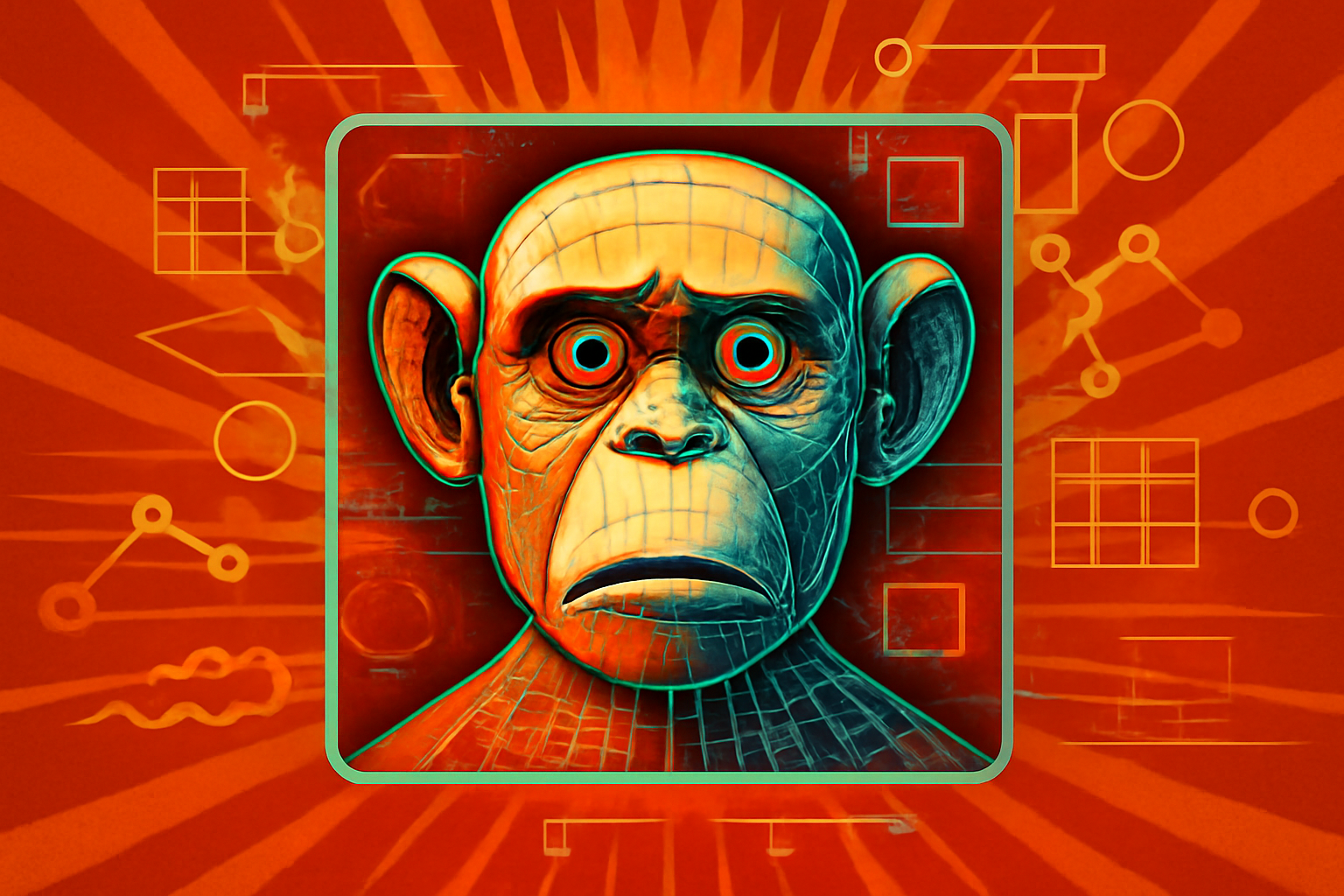
A rhesus macaque looking at a realistic 3D computer-generated monkey avatar on a screen in a laboratory.
Photo: Avantgarde News
A study published in PLOS Biology reveals that rhesus macaques experience the "uncanny valley" effect when viewing realistic 3D animations [1]. Researchers used a deep learning tool called MacAction to generate these avatars [1][2]. This phenomenon, where near-perfect replicas cause discomfort, was previously thought to be a primarily human experience [3].
The findings provide new insights into the social vision and perception shared by humans and primates [1]. By tracking the monkeys' reactions, the team observed a clear dip in affinity for highly realistic but imperfect models [2]. This study offers a powerful framework for future cognitive research into the evolutionary roots of social cognition [3].
Editorial notes
Transparency note
AI assisted drafting. Human edited and reviewed.
- AI assisted
- Yes
- Human review
- Yes
- Last updated
Risk assessment
Reviewed for sourcing quality and editorial consistency.
Sources
- 1.↗
journals.plos.org
https://journals.plos.org/plosbiology/article?id=10.1371/journal.pbio.3003880
- 2.↗
bioengineer.org
https://bioengineer.org/uncanny-valley-effect-detected-in-macaques-using-3d-animated-monkey-avatars/
- 3.↗
miragenews.com
https://www.miragenews.com/uncanny-valley-found-in-macaques-via-3d-monkey-1709895/
Related stories
View all


Topics
About the author
Avantgarde News Desk covers comparing human and primate social perception and editorial analysis for Avantgarde News.