
Maintaining Autonomy Through Adaptive Learning
Harvard Study: Personalized AI Limits Over-Reliance
New research suggests reinforcement learning helps users maintain autonomy by tailoring AI to individual expertise.
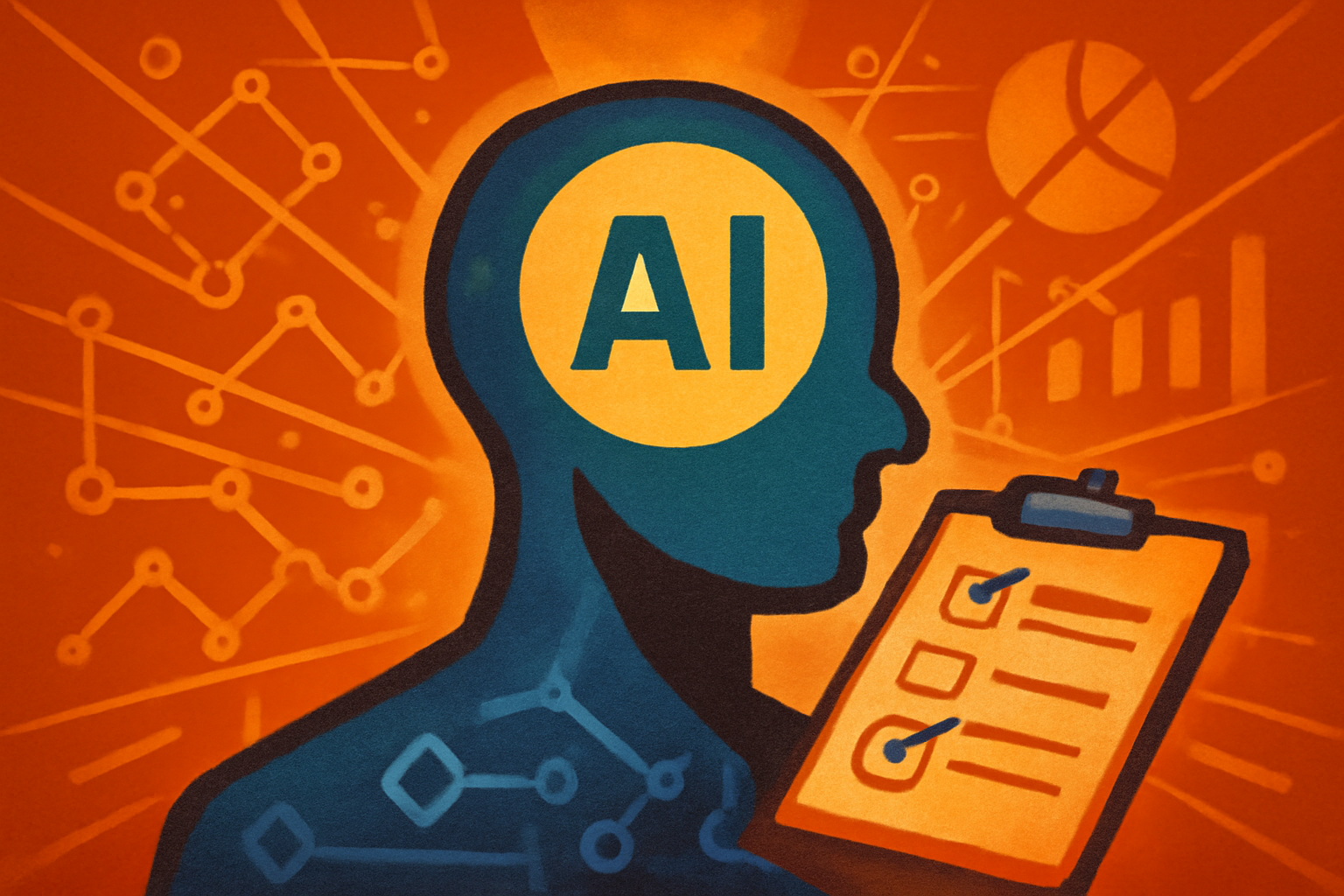
An editorial illustration of a human hand touching a glowing, adaptive digital interface, representing the partnership between human intelligence and personalized AI.
Photo: Avantgarde News
Researchers at Harvard University have developed a new method to reduce human over-reliance on automated tools [1]. The study proposes personalizing AI recommendations using reinforcement learning to suit a user's specific expertise [1][2]. This approach ensures that individuals remain active participants in decision-making rather than passively accepting every machine output [1].
By adjusting to unique needs, these adaptive systems help maintain human autonomy and prevent skill degradation [1][2]. Traditional AI often leads to a decline in critical thinking when users follow suggestions blindly [2]. The Harvard team aims to foster a collaborative environment where technology supports, rather than replaces, human judgment [1].
Editorial notes
Transparency note
AI assisted drafting. Human edited and reviewed.
- AI assisted
- Yes
- Human review
- Yes
- Last updated
Risk assessment
The risk level is set to high because the provided source list contains only two independent domains, failing the recommended threshold of three.
Sources
- 1.↗
seas.harvard.edu
https://seas.harvard.edu/news/ai-recommendations-time-its-personal
- 2.↗
vertexaisearch.cloud.google.com
https://vertexaisearch.cloud.google.com/grounding-api-redirect/AUZIYQFnF-DAmY2gFez3l4seWn0qhjJiSVepPJpYKvTAO8KCNOjegjy1n1z90tFaMDpPcgIssy0zs0vgbeA223K96-W0MR2yLkD524oFbzLSA7jDAofAaAtnLkzm09EmD59pVN39AzCRJXdtMcQRCsxM-U1qaizNIYdHnZ9A1M-phZy-8LB4qUXBRI2Ylj9SRw=
Related stories
View all


Topics
About the author
Avantgarde News Desk covers maintaining autonomy through adaptive learning and editorial analysis for Avantgarde News.