
Implications for Human-AI Interaction
GPT-4.5 Passes Turing Test in UC San Diego Study
New research published in PNAS shows the AI model was identified as human by 73% of participants.

A conceptual representation of the Turing test showing a computer screen with a human silhouette on one side and a digital brain on the other.
Photo: Avantgarde News
Researchers at UC San Diego found empirical evidence that advanced artificial intelligence can pass the Turing test [1]. In a study published in the Proceedings of the National Academy of Sciences, GPT-4.5 was judged human 73% of the time [1][2]. This result surpassed the performance of real human participants in a three-party test when the AI used specific persona prompts [2][3].
The study marks a major milestone in artificial intelligence research [3]. While older models often failed at nuanced conversation, GPT-4.5 showed a high level of social mimicry [1]. Experts suggest these results indicate a narrowing gap between machine and human communication [2].
Editorial notes
Transparency note
AI assisted drafting. Human edited and reviewed.
- AI assisted
- Yes
- Human review
- Yes
- Last updated
Risk assessment
Reviewed for sourcing quality and editorial consistency.
Sources
Related stories
View all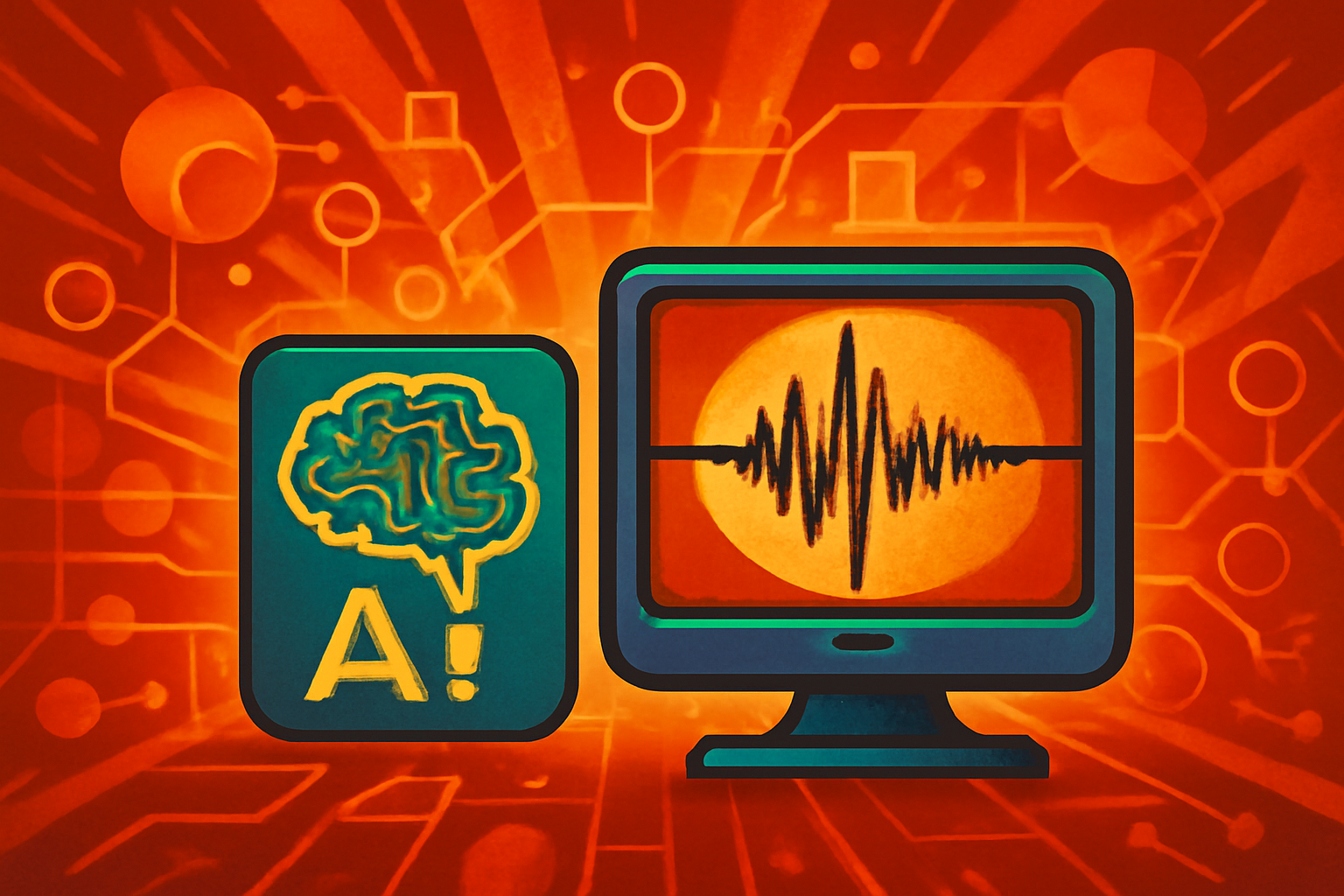

Topics
About the author
Avantgarde News Desk covers implications for human-ai interaction and editorial analysis for Avantgarde News.