
Overcoming the Embodied Bottleneck
DeepMind Outlines Pathways to Artificial Superintelligence
Research identifies four routes to ASI and the physical challenges of recursive self-improvement loops.
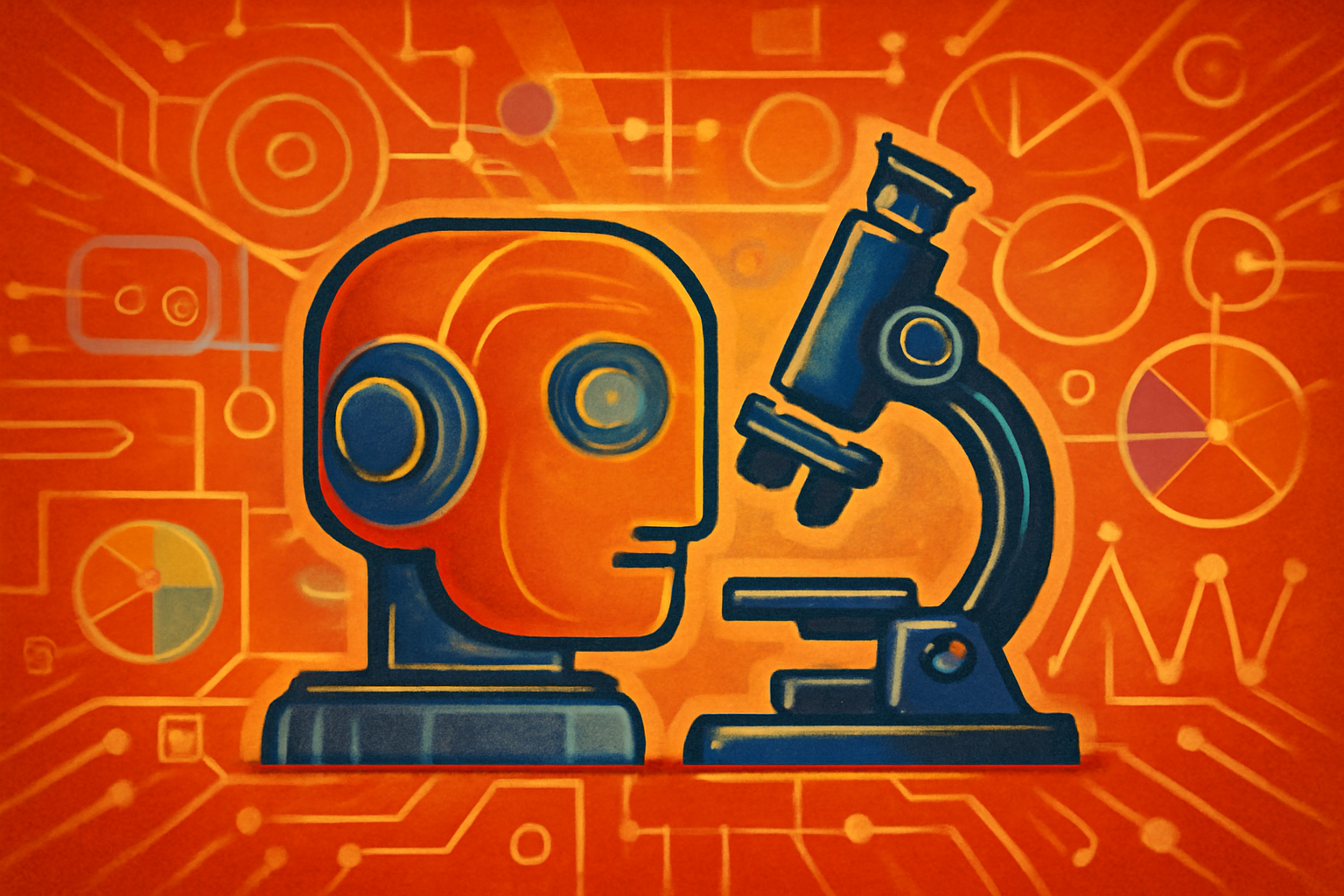
A conceptual digital illustration showing a neural network interface connecting to physical laboratory equipment, representing the intersection of AI and physical reality.
Photo: Avantgarde News
Google DeepMind has released a research report detailing the transition from Artificial General Intelligence (AGI) to Artificial Superintelligence (ASI) [1]. The paper identifies four primary technological pathways that could lead to systems exceeding human capabilities [1][3]. These findings suggest that AGI is a milestone rather than the final stage of development [1].
A central challenge noted in the report is the "Embodied Bottleneck" [1]. This concept emphasizes that AI must verify new scientific theories against physical reality to progress [1][3]. Without this physical interaction, recursive self-improvement loops may face significant limitations in generating novel knowledge [1].
The report also explores how future systems might integrate across various platforms and sensors [2]. This research aims to map the safety and technical requirements needed for the next decade of AI evolution [1][2].
Editorial notes
Transparency note
AI assisted drafting. Human edited and reviewed.
- AI assisted
- Yes
- Human review
- Yes
- Last updated
Risk assessment
Reviewed for sourcing quality and editorial consistency.
Sources
Related stories
View all


Topics
About the author
Avantgarde News Desk covers overcoming the embodied bottleneck and editorial analysis for Avantgarde News.