
Bio-Inspired AI and Neural Efficiency
Brain Decisions Start Earlier Than Predicted
New research in PNAS highlights sensory feedback loops that could revolutionize energy-efficient AI systems.
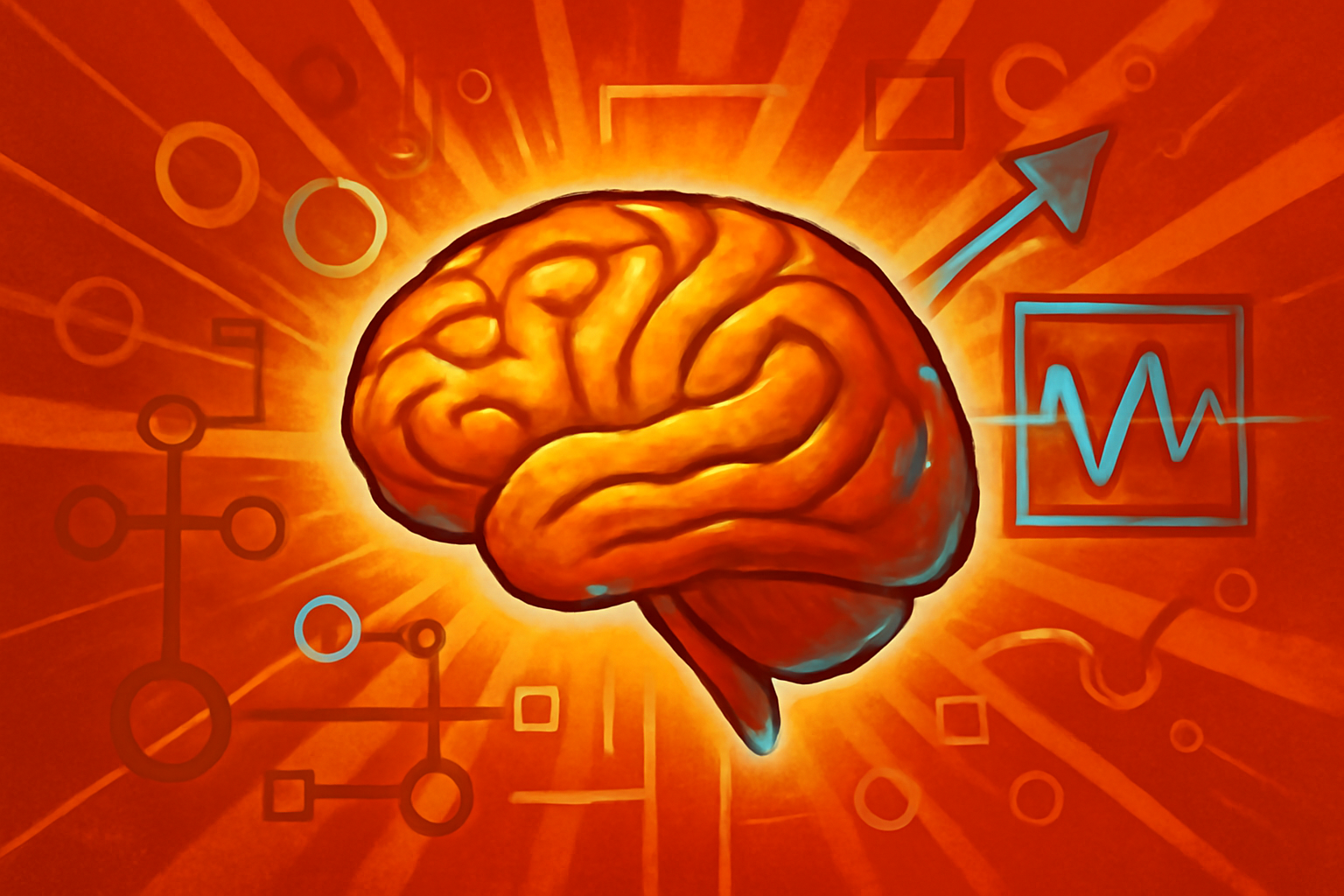
A digital rendering of a human brain showing glowing interconnected neural networks and feedback loops representing rapid decision-making processes.
Photo: Avantgarde News
New research published in PNAS reveals the human brain starts making decisions much earlier than scientists previously estimated [1]. The study found that primary sensory regions engage in rapid feedback loops to initiate these complex processes [1].
These findings challenge current scientific understandings of neural timing and cognitive processing [1]. Recent observations also suggest that existing AI models do not mirror these specific biological brain functions as closely as once thought [2].
Experts believe these biological insights could lead to the development of bio-inspired AI systems [1]. Such technology would be more energy-efficient and better at handling complex attention-based tasks than current digital hardware [1].
Editorial notes
Transparency note
AI assisted drafting. Human edited and reviewed.
- AI assisted
- Yes
- Human review
- Yes
- Last updated
Risk assessment
The risk level is set to high because the provided source list contains only two independent domains, which falls below the recommendation of at least three for a minimal risk rating.
Sources
Related stories
View all


Topics
About the author
Avantgarde News Desk covers bio-inspired ai and neural efficiency and editorial analysis for Avantgarde News.