
Transforming Biomedical Research with AI
AI-Written Code Beats Human Experts in Medical Analysis
Junior scientists using LLMs match expert performance in predicting preterm birth risks, a new study reveals.
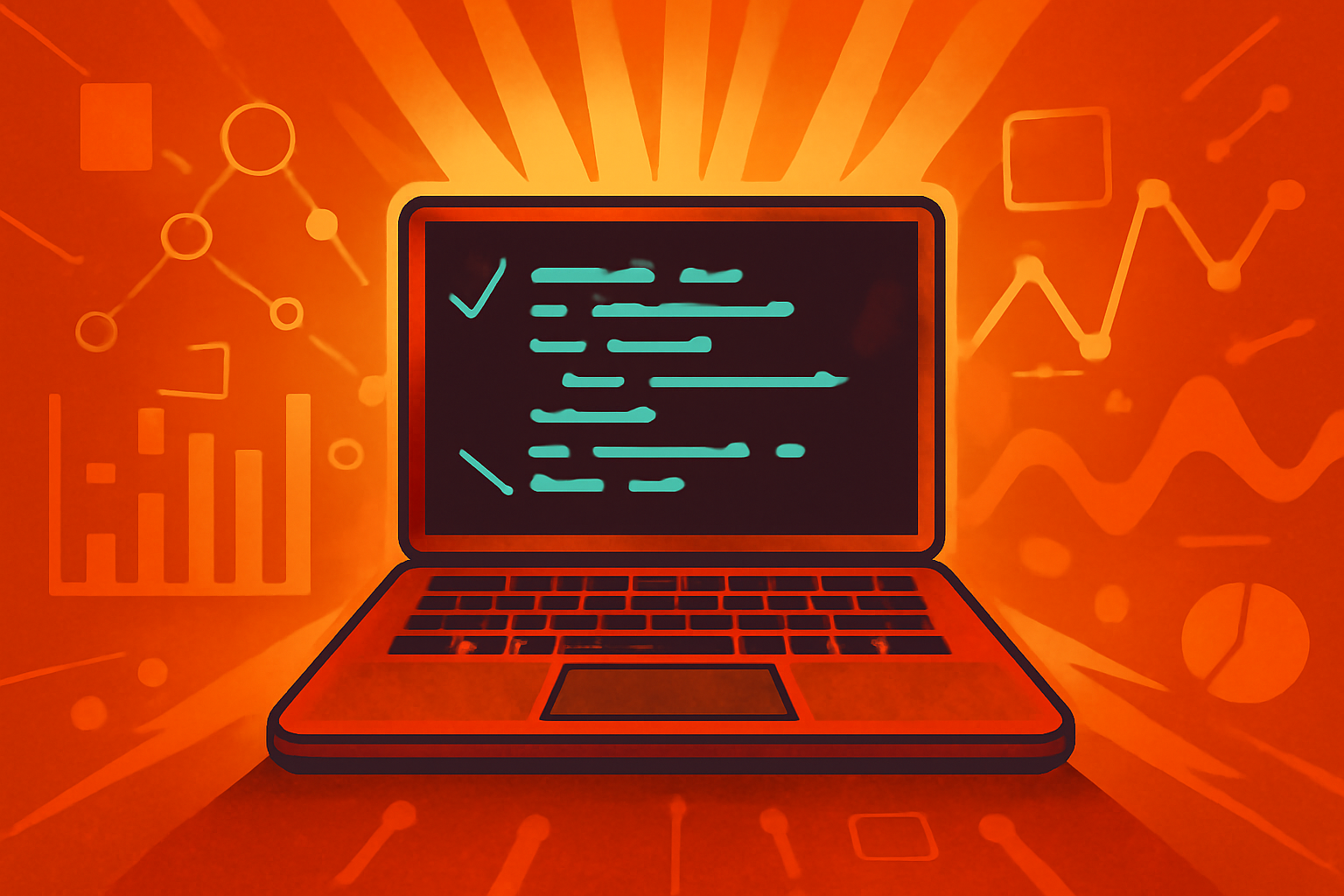
Digital code and medical data visualization overlaying a scientist working in a laboratory setting.
Photo: Avantgarde News
A study published in Cell Reports Medicine shows that large language models (LLMs) enable junior scientists to create highly accurate biomedical code [1]. The AI-generated code focused on predicting preterm birth risks through large-scale data analysis [1][2]. In several tests, the performance of these tools matched or even outperformed expert bioinformatician teams [1]. Experts suggest that AI tools could significantly lower the barriers to entry for complex medical research [1]. These models allow researchers with less technical training to achieve results previously reserved for specialists [1]. This shift may lead to faster advancements in maternal health and data-driven diagnostics [2].
Editorial notes
Transparency note
Drafted with LLM; human-edited
- AI assisted
- Yes
- Human review
- Yes
- Last updated
Risk assessment
The risk level is set to high because the source list contains only two independent domains, falling below the recommended minimum of three for high-confidence verification.
Sources
Related stories
View all
Topics
About the author
Avantgarde News Desk covers transforming biomedical research with ai and editorial analysis for Avantgarde News.