
The Reverse Predictivity Test
AI Vision Models Fail to Match Primate Brain Logic
A new study reveals that artificial intelligence uses visual strategies different from biological systems.
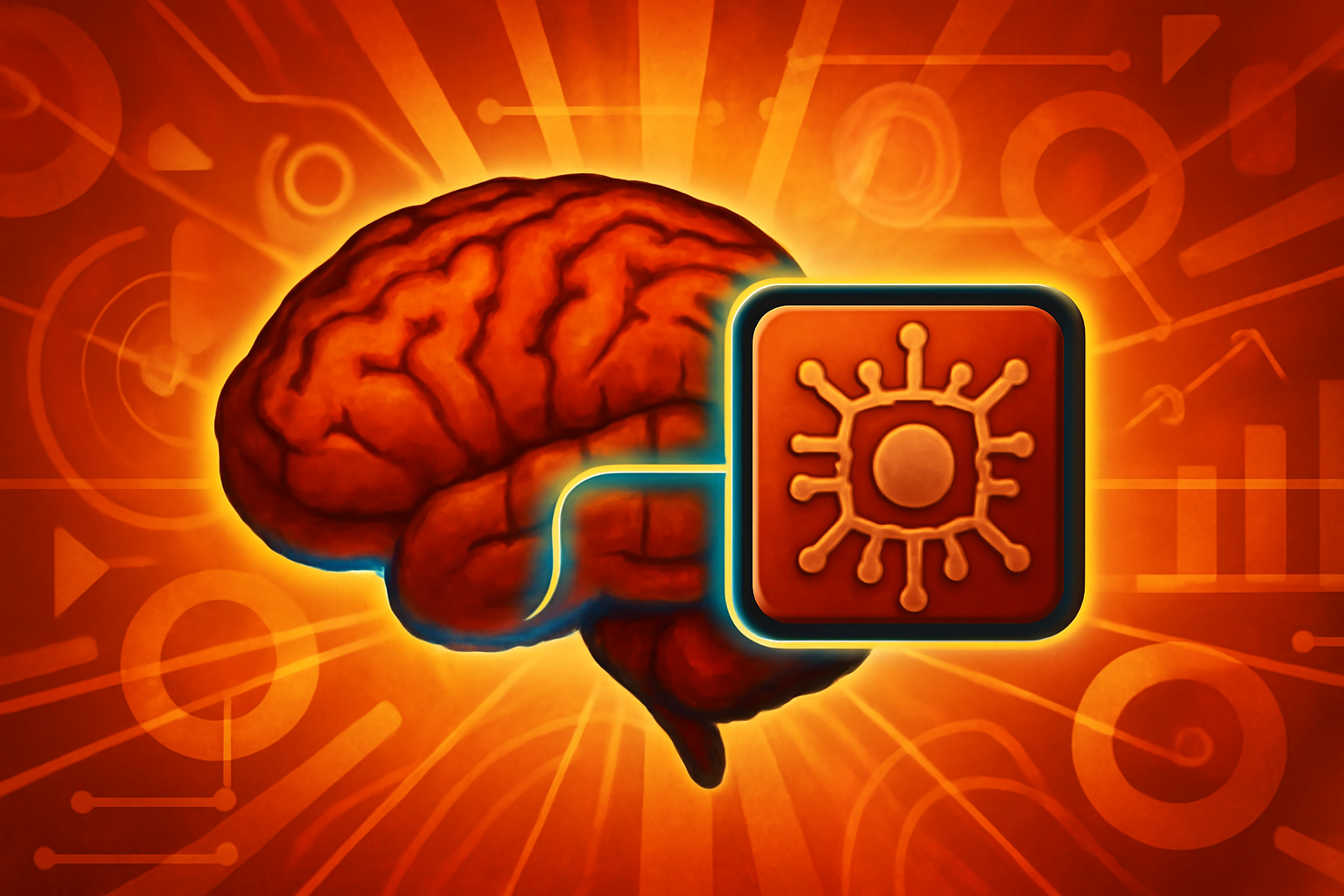
Editorial illustration showing a human brain silhouette next to a digital neural network with mismatched connection lines.
Photo: Avantgarde News
A new study reveals that artificial intelligence vision models do not process images like the primate brain [1]. Researchers used a "reverse predictivity test" to compare internal model responses with biological brain activity [1]. While AI can predict how neurons react, the brain cannot always predict the internal workings of AI [1].
These findings suggest that AI systems utilize unique visual strategies that differ from human or primate biology [1]. Scientists discovered that these models may not think like the brain after all [1]. This research highlights a significant gap between artificial and biological neural networks [1].
Editorial notes
Transparency note
AI assisted drafting. Human edited and reviewed.
- AI assisted
- Yes
- Human review
- Yes
- Last updated
Risk assessment
The risk level is set to high because the story relies on a single source domain, failing the requirement for three independent domains.
Sources
Related stories
View all

Topics
About the author
Avantgarde News Desk covers the reverse predictivity test and editorial analysis for Avantgarde News.