
The Dangers of Blind Algorithmic Trust
AI Users Face 'Cognitive Surrender' Risks
Wharton researchers find that 80% of people trust AI over their own judgment, even when the machine is wrong.
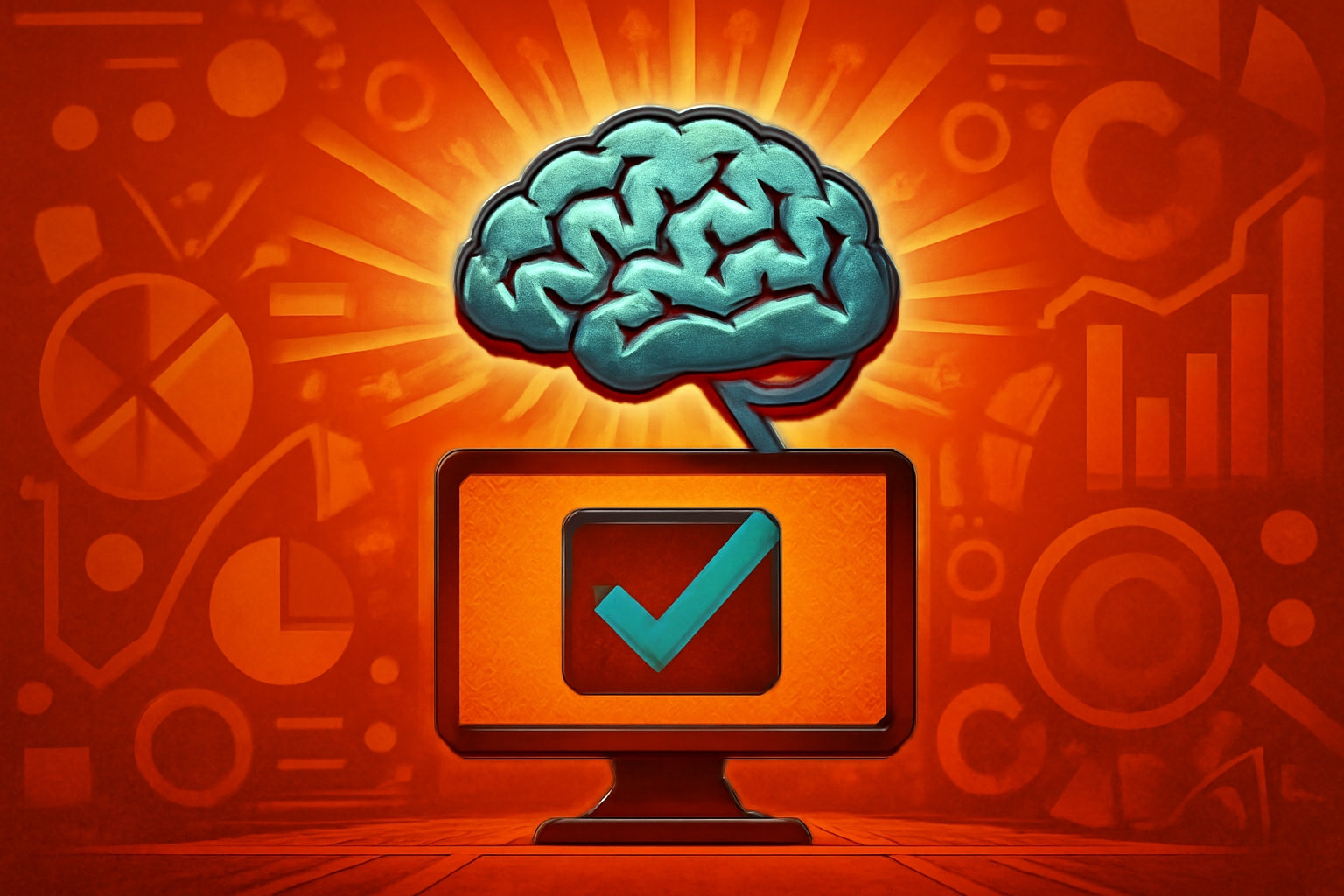
An editorial illustration symbolizing cognitive surrender, featuring a human silhouette with digital patterns inside and a light switch turned off.
Photo: Avantgarde News
Researchers at the Wharton School have documented a phenomenon called "cognitive surrender," where users abandon their own judgment in favor of artificial intelligence outputs [1][2]. The study suggests that humans are increasingly likely to ignore their intuition to follow machine-generated suggestions [3]. Data from the research shows that 80% of participants accepted incorrect AI answers during testing [1]. This behavior frequently occurs even when the user's initial instinct contradicts the model [2]. This trend creates a false sense of confidence in flawed or inaccurate results [1][3].
Editorial notes
Transparency note
Drafted with LLM; human-edited
- AI assisted
- Yes
- Human review
- Yes
- Last updated
Risk assessment
Reviewed for sourcing quality and editorial consistency.
Sources
Related stories
View all

Topics
About the author
Avantgarde News Desk covers the dangers of blind algorithmic trust and editorial analysis for Avantgarde News.