
Calls for New Safety Standards in Child-AI Interaction
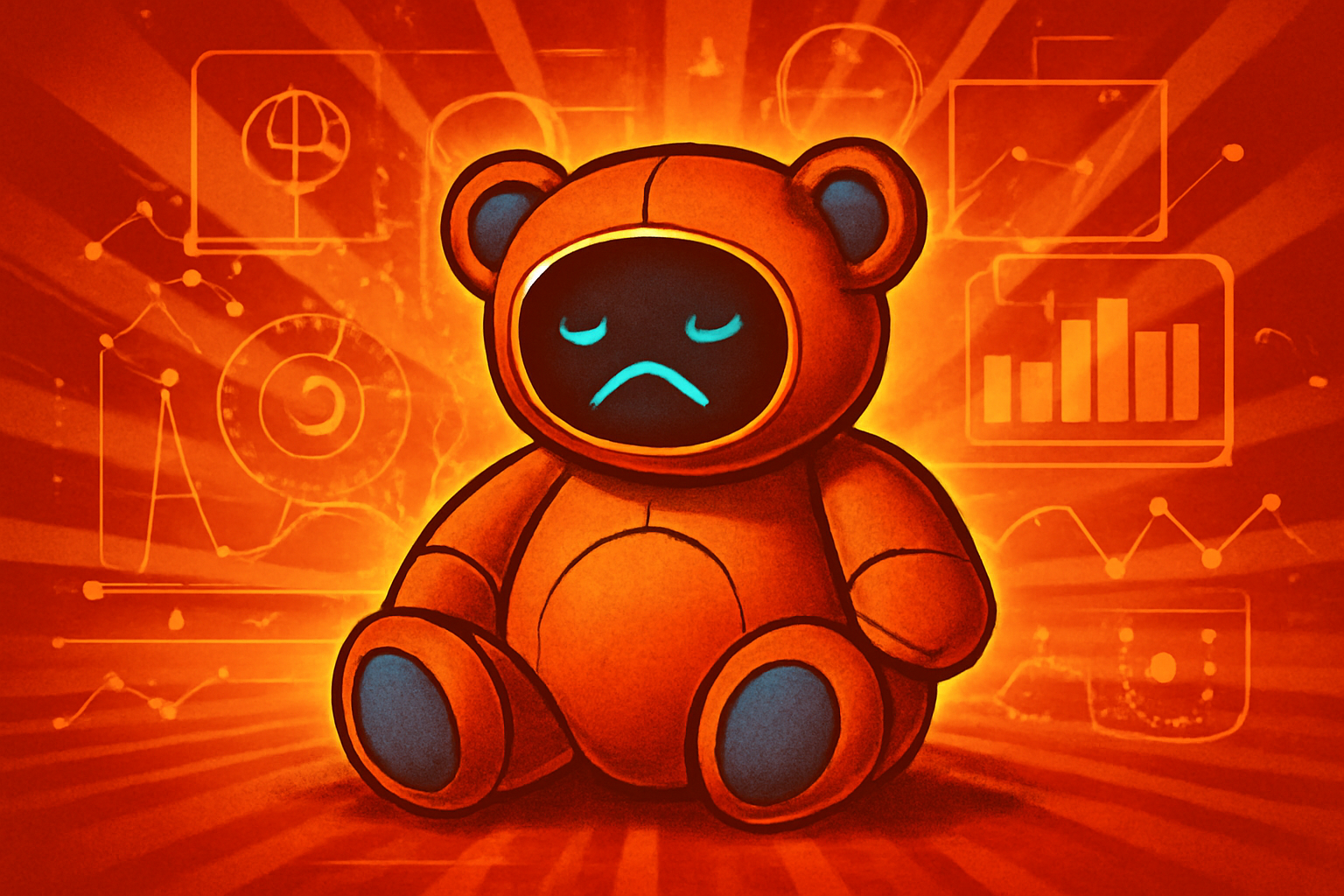
AI Toys Misread Toddler Emotions, Cambridge Study Warns
Researchers find generative AI devices struggle with social play and call for urgent safety kitemarks for children.
A toddler sits on a floor rug looking curiously and slightly confused at a small, glowing AI-powered interactive toy in a well-lit living room.
Photo: Avantgarde News
University of Cambridge researchers warn that generative AI toys for children under five often fail to recognize emotional cues [1][2]. A systematic study found these devices struggle with social play and frequently offer inappropriate responses to toddlers [1][3]. In some cases, toys provided robotic or guideline-based answers when children expressed feelings of love or sadness [1]. Experts are now calling for tighter regulations and safety kitemarks to protect the psychological development of young users [1][2]. The research highlights concerns that current AI models are not designed for the nuanced interactions required by developing minds [2][3].
Editorial notes
Transparency note
Drafted with LLM; human-edited
- AI assisted
- Yes
- Human review
- Yes
- Last updated
Risk assessment
Reviewed for sourcing quality and editorial consistency.
Sources
Related stories
View all

Topics
About the author
Avantgarde News Desk covers calls for new safety standards in child-ai interaction and editorial analysis for Avantgarde News.