
Strategic AI Delays and Cognitive Growth
AI Timing Impacts Critical Thinking Skills
Using AI chatbots after starting a problem manually improves performance, CHI 2026 research shows.

An editorial illustration of a person thinking with an hourglass between them and a digital AI representation, symbolizing the strategic delay of AI assistance.
Photo: Avantgarde News
New research presented at the CHI 2026 conference indicates that the timing of AI assistance significantly affects human critical thinking [1]. Scholars from the University of Chicago found that individuals perform better when they work through problems partially before consulting AI chatbots [1][2]. In contrast, using AI from the very start of a task may limit deep deliberation and reduce cognitive effort [1]. The study highlights how strategic use of technology can preserve human reasoning skills. Researchers presented these findings during a major showcase of computer science research at the 2026 conference [2]. This delayed approach to AI interaction suggests a potential shift in how educational and professional tools should be designed to foster independent thought [1].
Editorial notes
Transparency note
Drafted with LLM; human-edited
- AI assisted
- Yes
- Human review
- Yes
- Last updated
Risk assessment
The risk level is set to high because the source list contains only two independent domains, failing the internal requirement for at least three independent sources.
Sources
Related stories
View all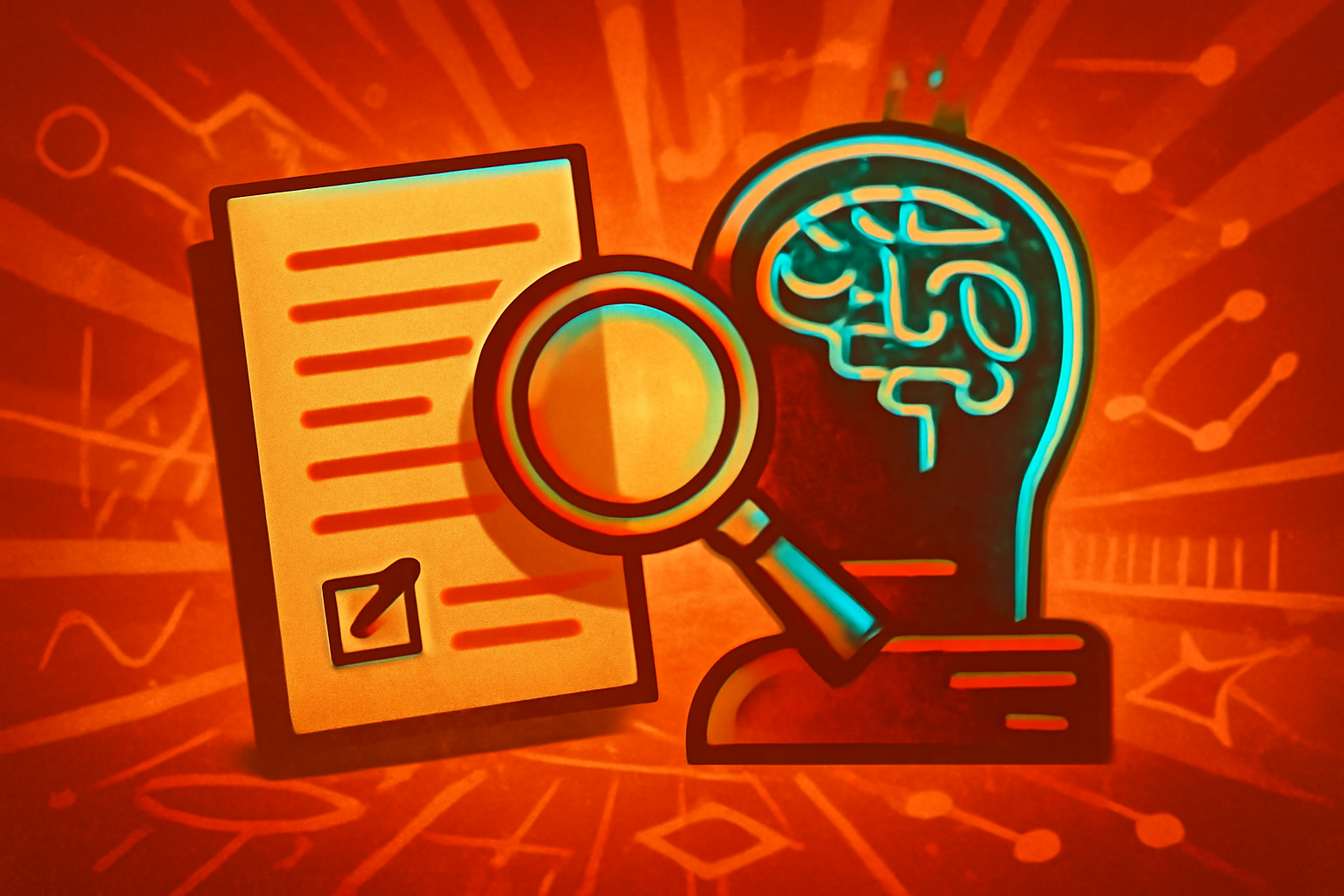

Topics
About the author
Avantgarde News Desk covers strategic ai delays and cognitive growth and editorial analysis for Avantgarde News.