
Digital Restoration Without Physical Contact
AI Reads 2,000-Year-Old Herculaneum Scroll
Researchers use artificial intelligence to decode Stoic philosophy from a carbonized scroll buried in 79 AD.
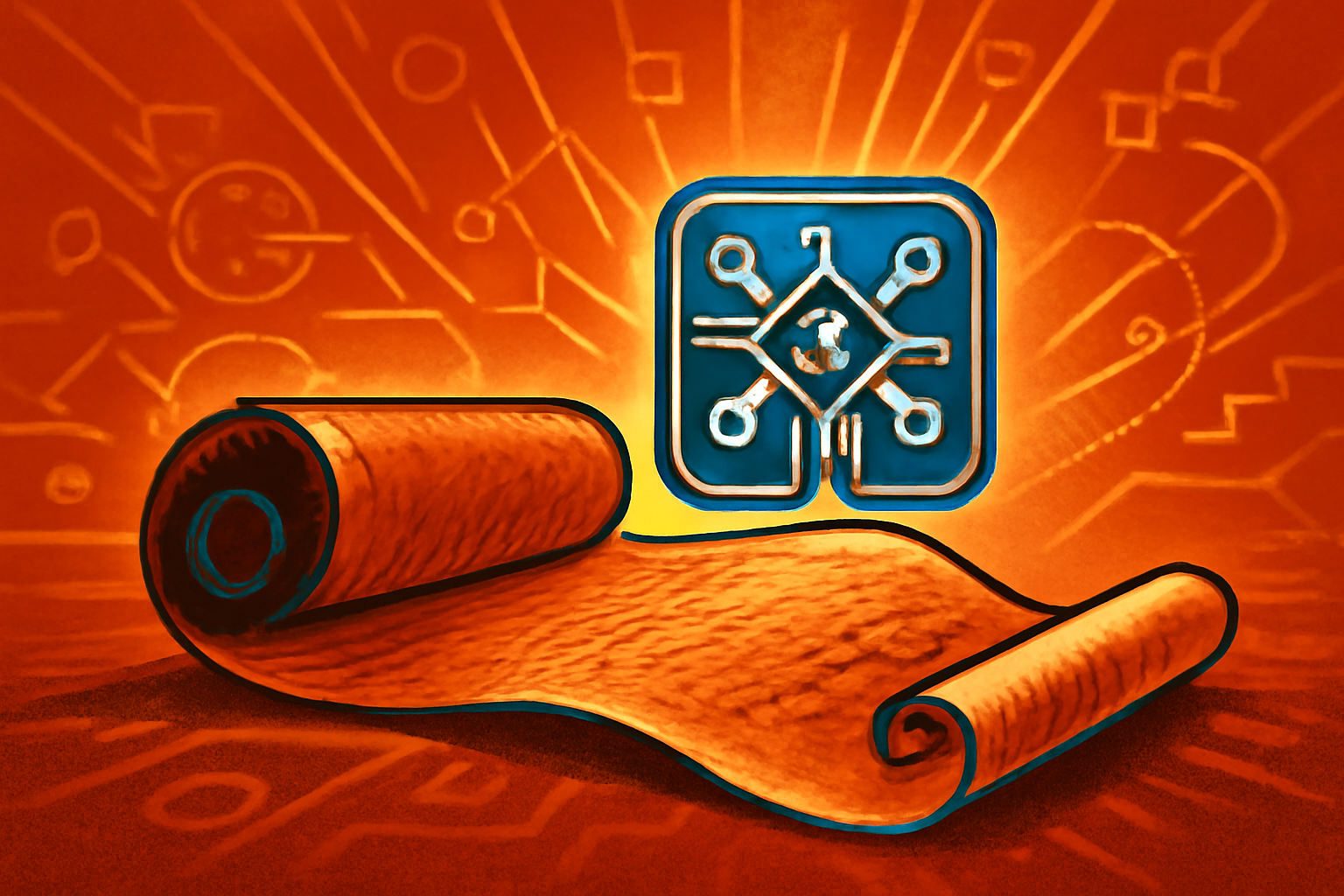
A charcoal-colored ancient scroll sits on a laboratory table in front of a computer monitor showing digital Greek text reconstruction.
Photo: Avantgarde News
An artificial intelligence system has successfully unwrapped and read a carbonized scroll buried by the Mount Vesuvius eruption in 79 AD [1]. This breakthrough revealed nearly 1.5 meters of continuous Stoic philosophical text for the first time in history [1][2]. The scroll was originally recovered from a library in the ancient city of Herculaneum [1][2].
The technology uses high-resolution CT scans and machine learning to detect ink on the charred papyrus [2][3]. This allows researchers to read the ancient Greek letters without physically unrolling the fragile material [2]. The 'Vesuvius Challenge' has been instrumental in advancing these digital restoration techniques through global collaboration [3].
Editorial notes
Transparency note
AI assisted drafting. Human edited and reviewed.
- AI assisted
- Yes
- Human review
- Yes
- Last updated
Risk assessment
Reviewed for sourcing quality and editorial consistency.
Sources
- 1.↗
magzter.com
https://www.magzter.com/stories/newspaper/The-Guardian/UNWRAPPING-HISTORY-AI-READS-SCROLL-BURNT-TO-CRISP-AFTER-VESUVIUS-ERUPTION
- 2.↗
freepressjournal.in
https://www.freepressjournal.in/world/ai-deciphers-2000-year-old-herculaneum-papyrus-scroll-burnt-in-vesuvius-eruption-without-unrolling-it
- 3.↗
engr.uky.edu
https://engr.uky.edu/herculaneum
Related stories
View all


Topics
About the author
Avantgarde News Desk covers digital restoration without physical contact and editorial analysis for Avantgarde News.