
The Limits of Transformer Attention Mechanisms
AI Models Struggle With Sustained Focus in New Study
Research in PNAS Nexus shows GPT-5 and Claude 4.1 fail the Stroop test as task complexity and length increase.
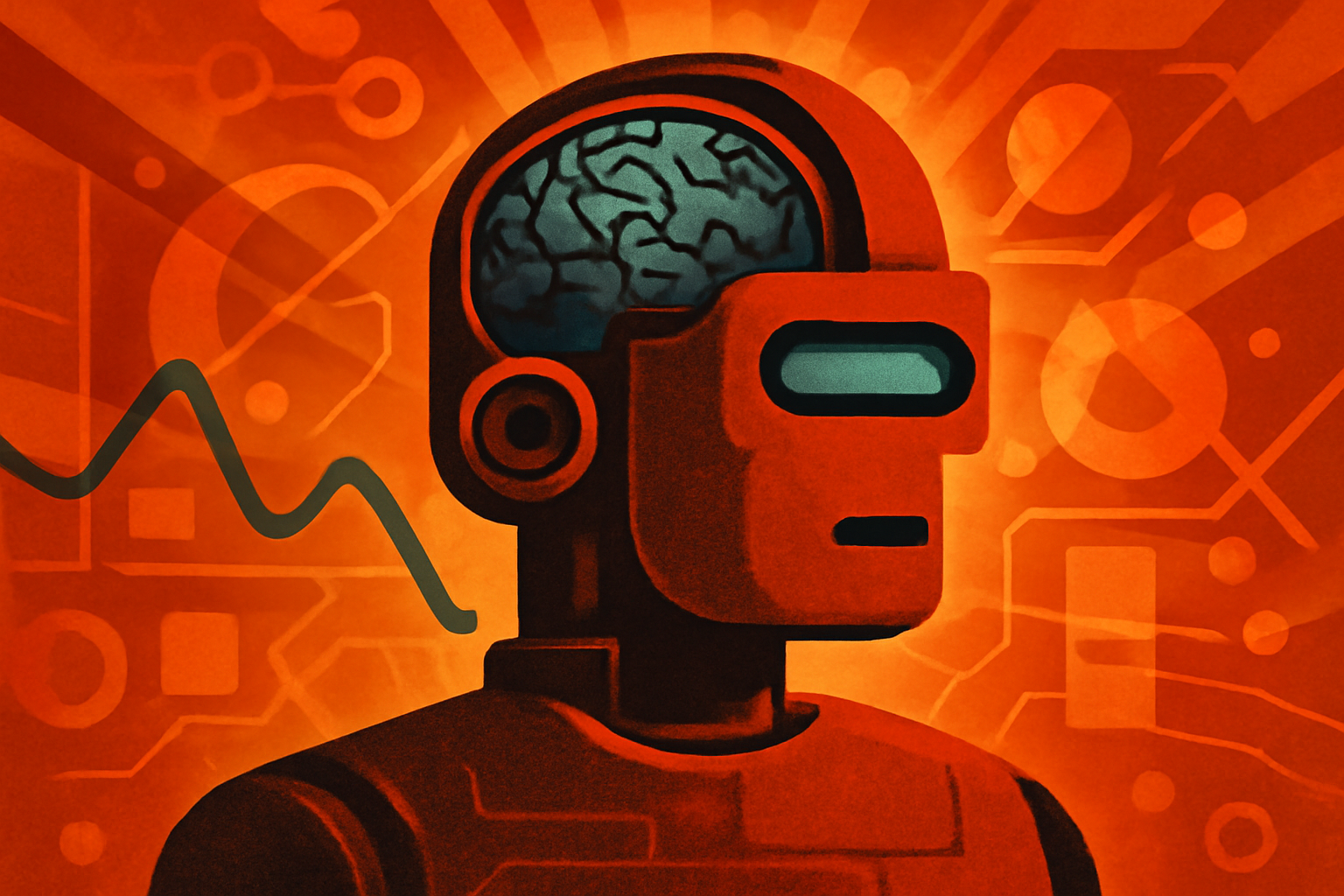
A digital display showing the Stroop test where the word 'BLUE' is colored red, set against a background of dissolving neural network patterns.
Photo: Avantgarde News
Researchers led by Suketu Patel published a study in PNAS Nexus identifying a significant flaw in modern artificial intelligence attention mechanisms [1]. While models like GPT-5 and Claude 4.1 excel at brief interactions, their accuracy drops sharply during long, complex tasks [1][2]. The team utilized the classic Stroop psychological test to measure this cognitive decline [2].
The Stroop task requires subjects to identify the color of a word when the text itself names a different color [3]. Although the AI models initially performed well, their ability to filter conflicting information worsened as the sequence continued [2][3]. This suggests that current transformer architectures lack the sustained focus found in human cognition [1].
Editorial notes
Transparency note
AI assisted drafting. Human edited and reviewed.
- AI assisted
- Yes
- Human review
- Yes
- Last updated
Risk assessment
Reviewed for sourcing quality and editorial consistency.
Sources
Related stories
View all


Topics
About the author
Avantgarde News Desk covers the limits of transformer attention mechanisms and editorial analysis for Avantgarde News.