
Distinguishing Reality from Nonsense
AI Models Develop Mathematical World Understanding
Brown University research shows AI systems create patterns to distinguish real-world plausibility.
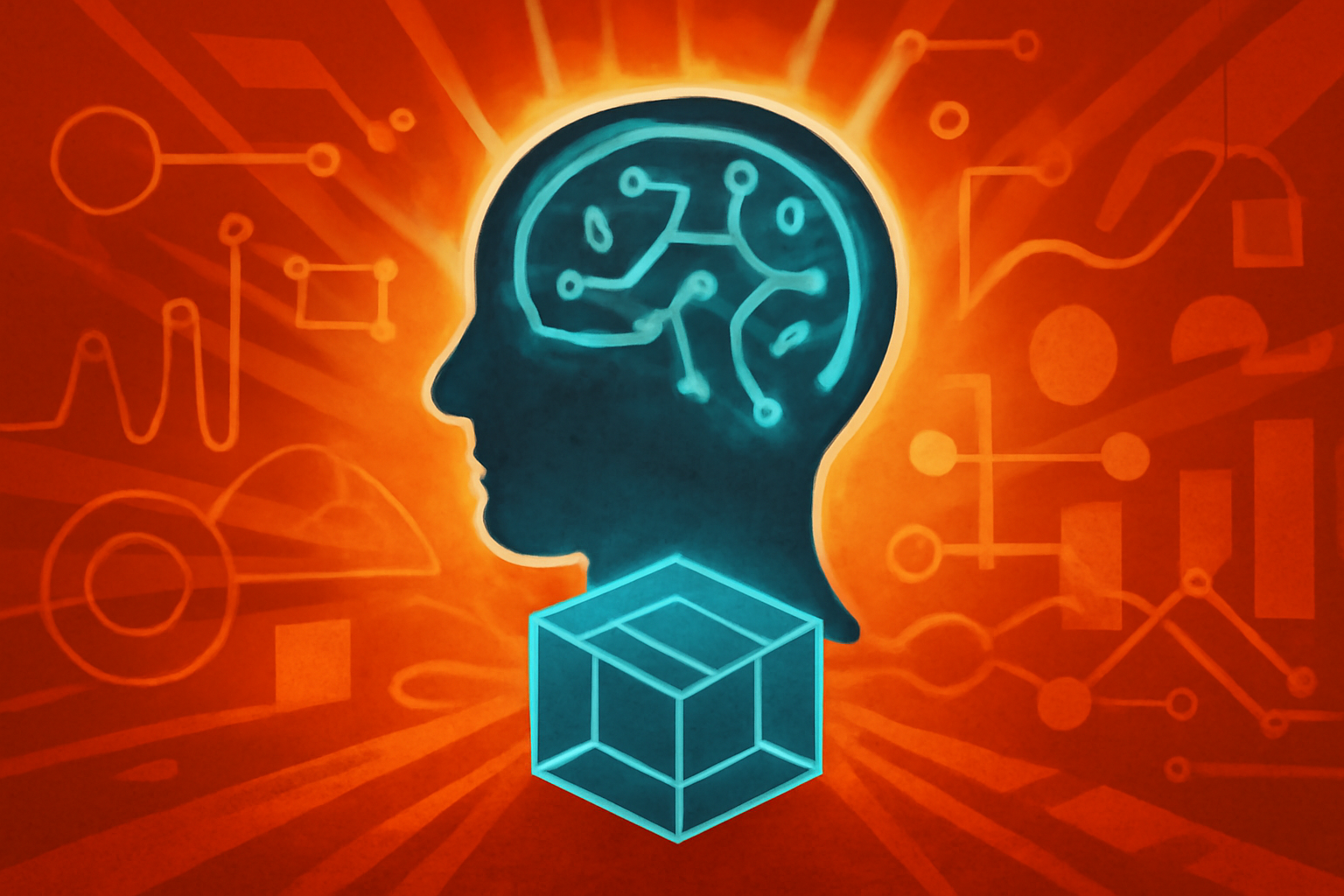
A digital visualization of an AI neural network structure morphing into a structured mathematical grid representing physical reality.
Photo: Avantgarde News
Researchers at Brown University discovered that artificial intelligence models develop distinct mathematical patterns to interpret reality [1]. The study was presented at the International Conference on Learning Representations [1]. It suggests that these systems can identify scenarios as commonplace, impossible, or nonsensical with high accuracy [1].
The findings indicate that AI builds internal structures that correlate with the logic of the physical world [1]. This breakthrough helps explain how large language models navigate complex reasoning tasks rather than just mimicking text [1]. Scientists believe these mathematical frameworks are key to understanding model behavior [1].
Editorial notes
Transparency note
AI assisted drafting. Human edited and reviewed.
- AI assisted
- Yes
- Human review
- Yes
- Last updated
Risk assessment
The risk level is set to high because the source list contains only one independent domain (brown.edu), failing the requirement for at least three independent sources.
Sources
Related stories
View all

Topics
About the author
Avantgarde News Desk covers distinguishing reality from nonsense and editorial analysis for Avantgarde News.