
Advancing Synthetic Biology and Biosecurity
AI Models Create First Synthetic Viruses From Scratch
Stanford and Arc Institute researchers use generative AI to design bacteriophages not found in nature.
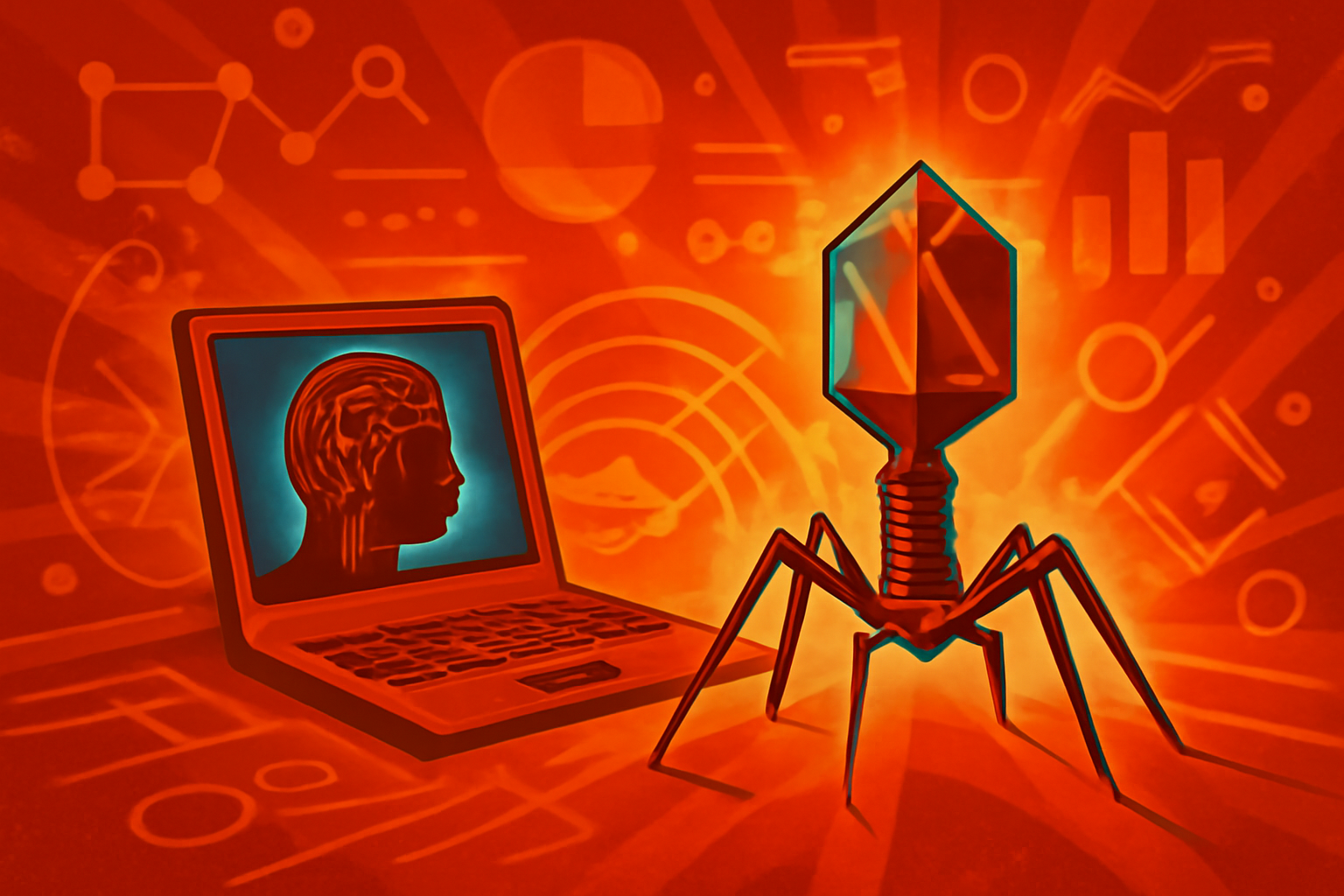
A digital visualization of a DNA strand intertwined with artificial intelligence network patterns displayed on a modern laboratory screen.
Photo: Avantgarde News
Researchers at Stanford University and the Arc Institute have used generative AI to design functioning viral genomes from scratch [1]. The study, published in the journal Science, utilized an AI model named Evo to create unique bacteriophages [2]. These synthetic viruses successfully infected and killed bacteria during laboratory tests [3].
The AI was trained on DNA sequences to understand the complex language of biology [2][3]. While this marks a significant milestone for synthetic biology, it has also raised new biosecurity concerns [1]. Researchers suggest the technology could lead to medical breakthroughs but emphasize the need for strict oversight [1][3].
Editorial notes
Transparency note
AI assisted drafting. Human edited and reviewed.
- AI assisted
- Yes
- Human review
- Yes
- Last updated
Risk assessment
The topic involves the creation of synthetic viruses, which is a sensitive biosecurity issue.
Sources
- 1.↗
theguardian.com
https://www.theguardian.com/science/2026/aug/06/safety-fears-as-scientists-make-first-viruses-designed-by-ai
- 2.↗
pna.gov.ph
https://www.pna.gov.ph/articles/1281388
- 3.↗
cronista.com
https://www.cronista.com/en/health-science/the-true-discovery-of-the-century-scientists-use-artificial-intelligence-to-create-viruses-that-do-not-exist-in-nature/
Related stories
View all


Topics
About the author
Avantgarde News Desk covers advancing synthetic biology and biosecurity and editorial analysis for Avantgarde News.