
Bridging AI and Human Linguistics
AI Model Mimics Child Learning to Explain Language
Wits University research shows how generational learning makes language more structured and easier to learn.
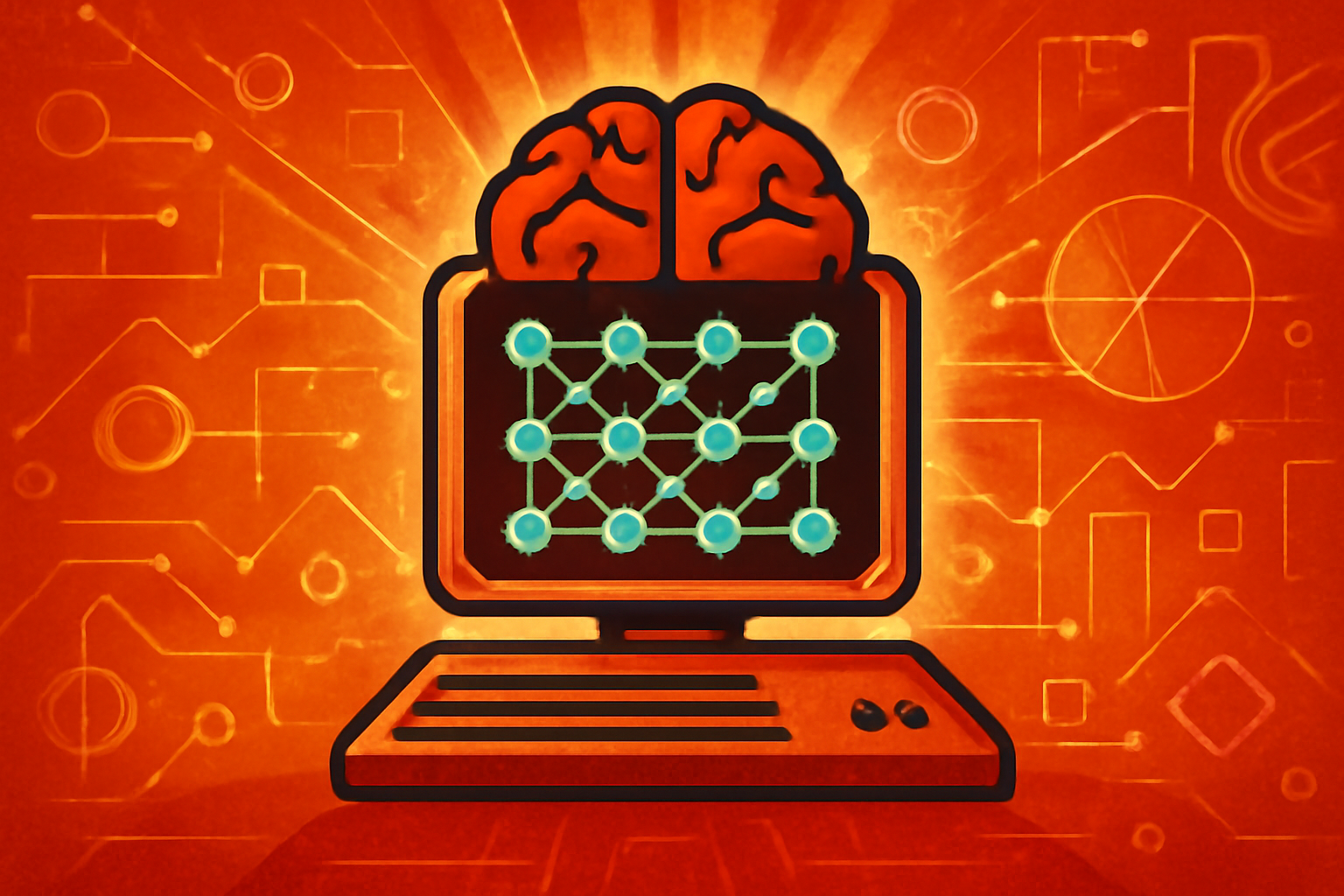
Digital artwork representing a neural network in the shape of a child's head, with glowing connections illustrating the flow of evolving language data.
Photo: Avantgarde News
Researchers at Wits University used deep linear neural networks to study how language structure evolves across generations [1]. The study, published in the journal PNAS, found that language naturally becomes more structured and easier to learn over time [2]. This process mimics the cognitive development observed in human children during early growth [1][3].
The research offers new insights into how large-scale AI language models operate and improve [2]. By simulating generational learning, the team demonstrated that structural complexity is a byproduct of the need for learnability [1][2]. These findings help bridge the gap between human linguistics and machine learning architectures [3].
Editorial notes
Transparency note
AI assisted drafting. Human edited and reviewed.
- AI assisted
- Yes
- Human review
- Yes
- Last updated
Risk assessment
Reviewed for sourcing quality and editorial consistency.
Sources
Related stories
View all

Topics
About the author
Avantgarde News Desk covers bridging ai and human linguistics and editorial analysis for Avantgarde News.