
Improving Clinical Reasoning with AI
AI Matches Doctors in Harvard ER Diagnosis Trial
A new study in Science shows OpenAI’s o1 model performs at or above human physician levels in clinical reasoning.
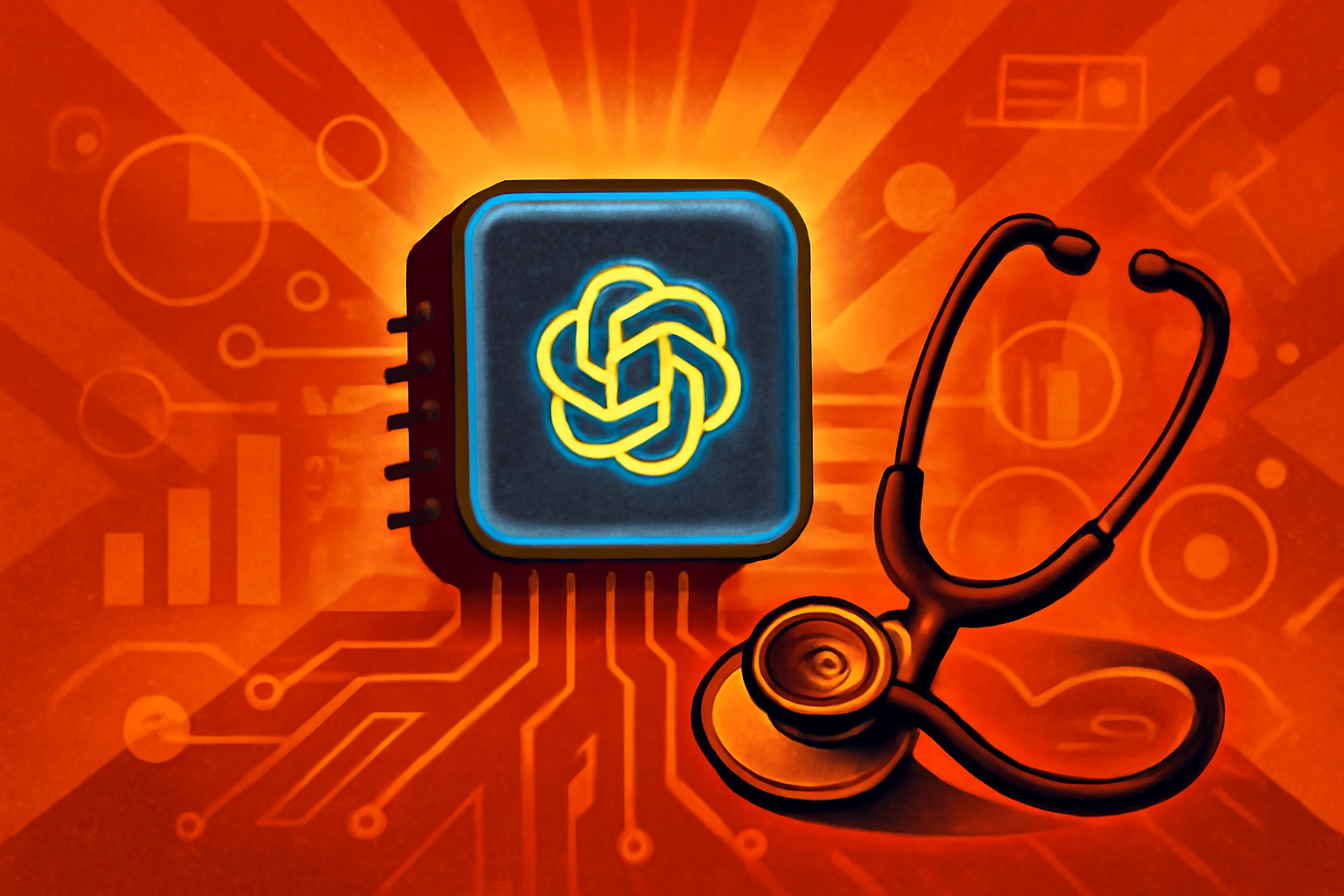
A medical professional in a lab coat looks at a digital tablet displaying clinical data in a modern hospital setting.
Photo: Avantgarde News
Researchers from Harvard Medical School and Beth Israel Deaconess Medical Center conducted a study published in the journal Science [1][2]. The research found that OpenAI’s o1 model matched or exceeded human physicians in diagnosing patients [1][3]. These tests utilized real-world data from emergency department cases to evaluate accuracy [2].
The study highlights the potential for AI to assist in complex medical triage and management [1]. While physicians remain central to patient care, the model demonstrated high accuracy in clinical reasoning tasks [3]. This development points toward a future where AI tools provide reliable diagnostic support in high-pressure hospital settings [2].
Editorial notes
Transparency note
AI assisted drafting. Human edited and reviewed.
- AI assisted
- Yes
- Human review
- Yes
- Last updated
Risk assessment
Reviewed for sourcing quality and editorial consistency.
Sources
- 1.↗
theguardian.com
https://www.theguardian.com/technology/2026/apr/30/ai-outperforms-doctors-in-harvard-trial-of-emergency-triage-diagnoses
- 2.↗
inc.com
https://www.inc.com/amaya-nichole/harvard-researchers-say-next-er-diagnosis-may-come-from-ai/91339101
- 3.↗
newsbytesapp.com
https://www.newsbytesapp.com/news/science/ai-outperforms-doctors-in-diagnosing-patients-in-a-real-world-test/story
Related stories
View all
Topics
About the author
Avantgarde News Desk covers improving clinical reasoning with ai and editorial analysis for Avantgarde News.