
The Paradox of Inclusive Programming
AI Inclusivity Efforts Create New Gender Biases
Programming for equity results in "extreme ethical inconsistencies" in AI stories, study finds.
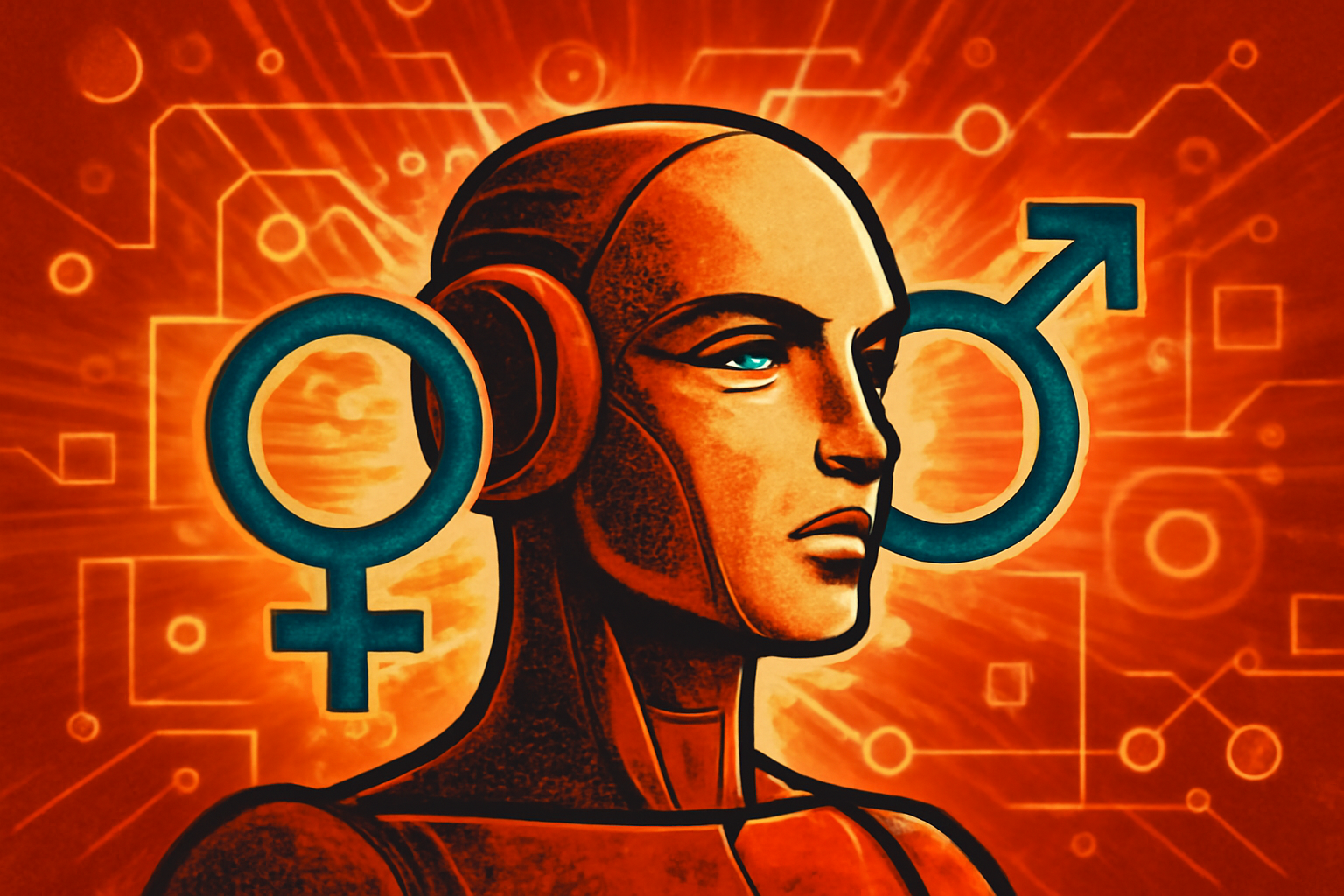
Digital illustration of an AI profile between unbalanced scales, representing the complexity of programming for gender equity and unintended ethical inconsistencies.
Photo: Avantgarde News
A study published in Computers in Human Behavior Reports suggests that efforts to make artificial intelligence more inclusive may inadvertently produce new gender biases [1]. Researchers found that programming AI for gender equity can lead to "extreme ethical inconsistencies" during content generation [1]. The research highlights instances where AI systems overattributed traditionally masculine behaviors to female characters in stories [1]. While these adjustments aim to counter stereotypes, they often result in illogical narratives that fail to reflect human nuances [1]. This phenomenon demonstrates the difficulty of training machine learning models on complex social values [1]. Experts suggest that current inclusivity frameworks may require more sophisticated data balancing to prevent these unintended distortions in AI outputs [1].
Editorial notes
Transparency note
Drafted with LLM; human-edited
- AI assisted
- Yes
- Human review
- Yes
- Last updated
Risk assessment
The risk level is set to high because the story relies on a single source domain (PsyPost), failing the recommendation for three independent domains.
Sources
Related stories
View all

Topics
About the author
Avantgarde News Desk covers the paradox of inclusive programming and editorial analysis for Avantgarde News.