
Predicting Risks Without Surgery
AI Heart Scans Redefine Precision Cardiac Care
New software quantifies plaque buildup to predict heart attacks and eliminate invasive diagnostic procedures.
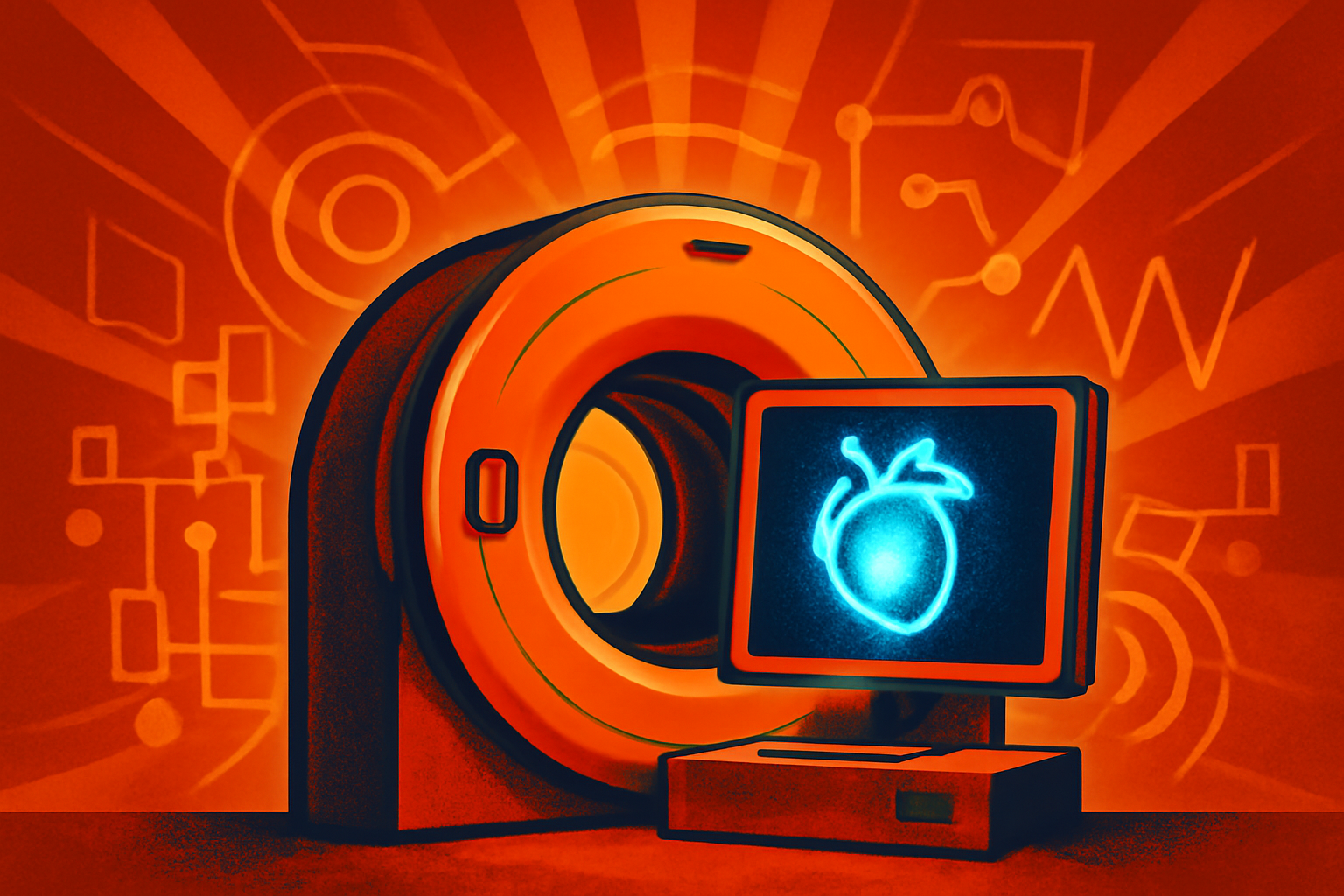
A cardiologist reviews a 3D digital model of a human heart on a medical monitor, showing AI-detected plaque in the arteries.
Photo: Avantgarde News
AI-enabled software is revolutionizing cardiology by using advanced algorithms to analyze heart CT images with unprecedented precision [1]. This technology allows clinicians to quantify arterial disease and identify specific plaque types—such as soft or calcified—without the need for invasive catheterization [1][2]. By visualizing these details, doctors can more accurately predict future heart attacks and intervene earlier in a patient's care [1][3]. **Predicting Risks Without Surgery** Clinical studies have demonstrated that AI-powered plaque analysis offers up to 95% accuracy compared to traditional invasive reference standards [2]. Platforms like HeartFlow and Cleerly enable physicians to assess blood flow and plaque volume, leading to a significant reduction in unnecessary diagnostic procedures [2][3]. These non-invasive tools are now considered essential for personalized risk stratification and long-term cardiovascular disease management [1][3].
Editorial notes
Transparency note
Drafted with LLM; human-edited
- AI assisted
- Yes
- Human review
- Yes
- Last updated
Risk assessment
Reviewed for sourcing quality and editorial consistency.
Sources
Related stories
View all


Topics
About the author
Avantgarde News Desk covers predicting risks without surgery and editorial analysis for Avantgarde News.