
Decoding Invisible Biological Transitions
AI Finds Hidden Patterns in Bacterial Growth
Rice University researchers use a custom AI system to see behaviors invisible to the human eye.
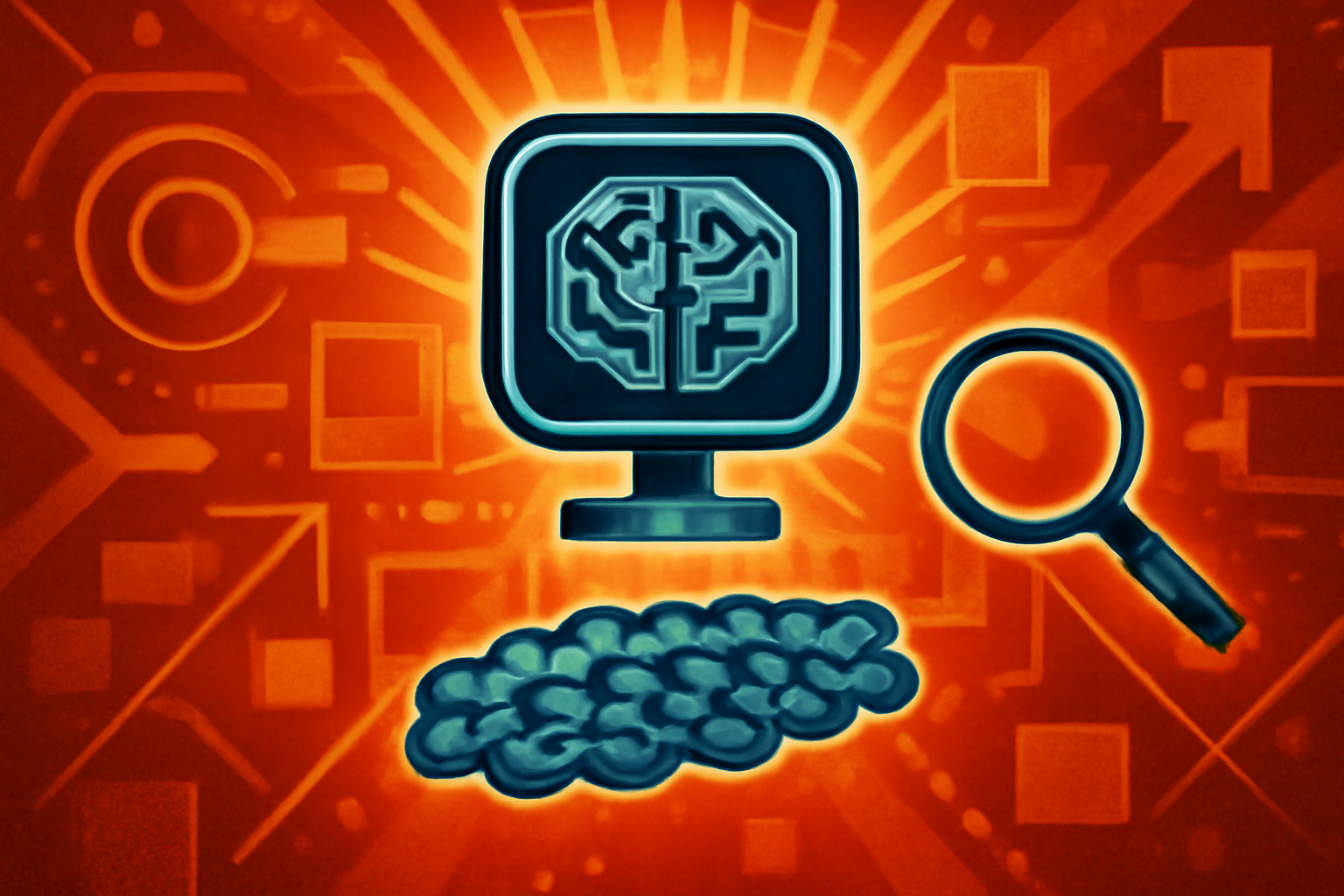
A computer screen in a scientific laboratory displays a colorful microscopic view of bacterial colonies with digital data overlays highlighting organizational patterns.
Photo: Avantgarde News
Researchers at Rice University developed a custom artificial intelligence system to study bacterial communities [1]. The AI decodes how Myxococcus xanthus bacteria organize themselves during complex biological transitions [1][2]. This system identifies morphological patterns that are invisible to the human eye [1]. The research was published in the journal PNAS [1]. Scientists used the AI to track structural changes in large groups of microbes [2]. This approach reveals how individual cells coordinate to form complex multicellular structures [1][2].
Editorial notes
Transparency note
Drafted with LLM; human-edited
- AI assisted
- Yes
- Human review
- Yes
- Last updated
Risk assessment
The source list contains only two independent domains, which is below the recommended threshold of three for high-certainty verification.
Sources
Related stories
View all

Topics
About the author
Avantgarde News Desk covers decoding invisible biological transitions and editorial analysis for Avantgarde News.